How Long Do Cows Live? A Cow Lifespan Guide


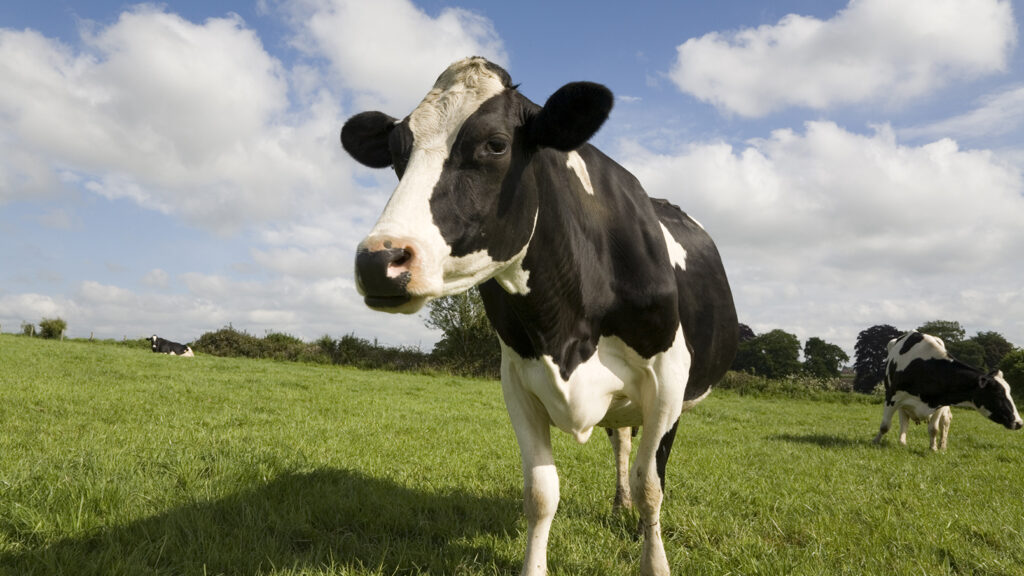
Photo by Gordon Dixon/iStock/Getty Images Plus via Getty Images
If you’re dreaming about rescue cattle or planning care for a small herd, one of the first questions is: how long do cows live?
Cows can be a long-term commitment, especially when they have the right nutrition, safe pasture, herd companionship, and large-animal veterinary care. Here’s how those everyday care choices can support a longer, healthier life.
Key Takeaways
- Cows can live into their teens and sometimes around 20 years, but commercial productive life is often much shorter.
- A pet or rescue cow's lifespan depends on nutrition, body condition, hoof health, shelter, heat stress management, reproduction, and disease prevention.
- Cows are herd animals and need space, fencing, forage, clean water, and a care plan built for more than one animal.
- Work with a large-animal veterinarian and local extension resources before bringing cows home.
How Long Do Cows Live?
The natural cow lifespan can reach around 15–20 years, and some cows live longer. In real-world farm settings, though, lifespan varies widely by purpose and management. Dairy cows, for example, may leave a herd much earlier because of production, fertility, health, or culling decisions.
What Impacts a Cow’s Lifespan?
A cow’s lifespan is closely tied to the care system around them. Before you bring cattle home, make sure these pieces are truly workable.
Purpose and Breed
Cows aren’t one-size-fits-all. A beef cow, dairy cow, breeding cow, steer, miniature cow, and rescue cow may all have different risks and care needs. Dairy cattle often have intensive reproductive and nutritional demands, while a companion steer may need a different long-term plan for body weight, joints, and hoof care.
Breed size matters too. Larger animals need more space, more feed, stronger fencing, and safe handling systems that protect both people and cattle.
Temperament belongs in the plan too. A calm cow is still a very large animal, so gates, chutes, trailers, and daily routines should make handling calmer before care is urgent.
Nutrition and Body Condition
For cows, forage isn’t just food; it’s the foundation of digestive health. Grass and hay should make up the bulk of a cow’s diet, with grains and treats used carefully.
Too much grain, sudden feed changes, poor-quality hay, or missing minerals can create serious problems. Your vet or a livestock nutritionist can help match pasture, hay, minerals, and seasonal feed to the animals in front of you.
Recommended Product

Shelter, Space, and Hoof Health
Mud isn’t just messy; it can be a health problem. Cows need secure fencing, shade, wind protection, dry resting areas, and safe footing. Sharp debris, poor drainage, or overcrowding can increase stress and injury risk, especially for older cattle.
Hoof problems can snowball because a sore cow may eat less, move less, and lose condition. Regular observation matters: Watch how each cow walks, rises, eats, and interacts with the herd.
Reproduction, Calving, and Veterinary Care
Pregnancy and calving are big physical events for a cow. Even if breeding isn’t part of your plan, you still need a vet relationship for vaccines, parasite control, emergency care, and herd health planning.
A good preventive plan is especially important because cattle often show subtle signs before serious illness becomes obvious.
How To Help Your Cow Live a Longer Life
Cattle care is big in every sense, but the daily routine is surprisingly plain: food, water, footing, shelter, and watchful eyes.
- Start with the herd plan. Cows do best with other cattle, so plan for companionship, acreage, fencing, shelter, and feed costs before adoption.
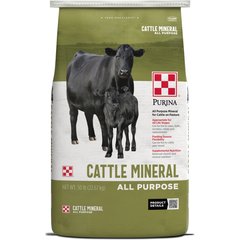
- Feed the rumen first. Build the diet around pasture or hay, then ask your vet whether a cattle mineral, such as Purina All Purpose Cattle Mineral, fits your local forage and herd needs.
Recommended Product
- Protect them from heat and bad footing. Shade, ventilation, dry resting areas, and good drainage help reduce stress, hoof trouble, and slipping injuries.
- Keep water clean. Cattle drink a lot, and dirty or frozen water can quickly become a health and welfare issue. Check troughs daily and more often during heat, freezing weather, or illness.
- Build the vet relationship early. A large-animal veterinarian can help with vaccines, parasite plans, hoof care referrals, nutrition questions, and emergency decisions before a crisis hits.
A long cow lifespan starts with a realistic herd plan: good forage, clean water, safe space, preventive care, and daily attention to what is normal for each animal.
Attributions
This article was created with assistance from AI tools. The content has been reviewed for accuracy and edited by a human.