Can Bearded Dragons Eat Bell Peppers?


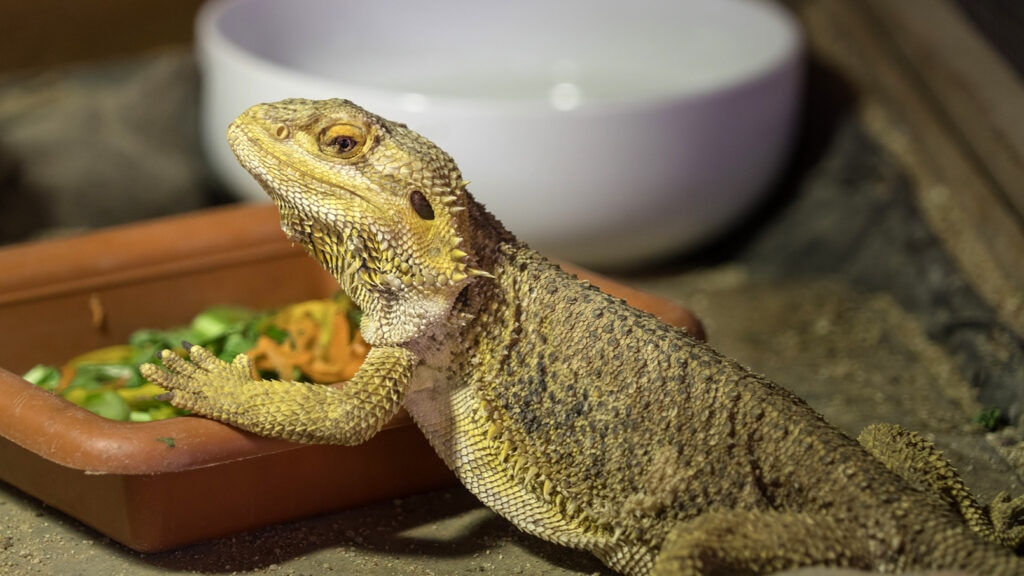
Photo by Chewy
If you’re building out your bearded dragon’s salad and want to add a little extra color and crunch, bell peppers might seem like an easy toss-in. But can bearded dragons eat bell peppers?
Yes, bell peppers can be a healthy addition to your beardie’s diet. The key is knowing how often to offer them and how to serve them safely.
Before introducing any new food into your bearded dragon’s diet, always check with your veterinarian.
Key Takeaways
- Yes, bearded dragons can eat small amounts of bell peppers.
- Mix bell peppers with staple greens instead of filling the bowl with them.
- Cut bell peppers into small pieces, which are easier for your beardie to chew and swallow.
- Stick with plain bell peppers and avoid spicy peppers and seasoned recipes.
Can Bearded Dragons Have Bell Peppers?
Yes, bearded dragons can have plain bell peppers of any color, including red, yellow, orange, and green.
However, skip stuffed peppers, pickled peppers, and bell peppers cooked with butter, oil, garlic, onions, salt, or other seasonings. Avoid spicy peppers, like jalapeños, serranos, and habaneros, too.
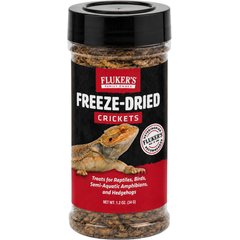
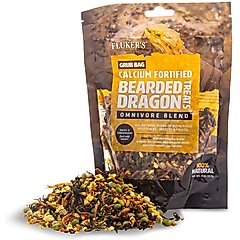
If you’d rather leave the salad ingredients in the kitchen, here are a few reptile-friendly treats to consider instead:
Recommended Products
Are Bell Peppers Good for Bearded Dragons?
Yes, bell peppers can be good for bearded dragons as part of a balanced diet. But they shouldn’t replace the staple greens your beardie needs most.
In moderation, bell peppers provide:
- Vitamin C and other nutrients: Bell peppers are rich in vitamin C and also provide vitamins A and B6, which play a role in supporting your beardie’s immune system, vision, and normal body functions.
- Color and texture variety: Their crisp texture gives your beardie something different to explore and can make salads a little more interesting.
- Natural hydration: Because bell peppers contain plenty of water, they can add a little extra moisture to your beardie’s meal.
Are Bell Peppers Bad for Bearded Dragons?
Bell peppers aren’t bad for bearded dragons when they’re served the right way. But problems can happen when bell peppers replace healthier staple greens or are served as part of a people-food recipe.
Here are the biggest things to watch for:
- Too much at once: Bell peppers are nutritious, but too many can crowd out the leafy greens that provide the foundation of a healthy beardie diet, leading to a less balanced meal overall. Plus, eating too much at one meal may also lead to loose stool in some dragons.
- Large pieces: Thick slices can be difficult to bite and swallow and may become a choking hazard if your beardie grabs a piece that’s too large.
- Cooked or seasoned peppers: Stir-fries, fajita vegetables, stuffed peppers, and other cooked dishes often contain oil, butter, garlic, onions, salt, or seasonings that can upset digestion and may lead to loose stool, stomach upset, or refusal to eat.
- Spicy peppers: Sweet bell peppers are beardie-friendly, but spicy peppers like jalapeños, serranos, and habaneros are not. Their capsaicin can irritate your beardie’s mouth and digestive tract.
How Much Bell Pepper Can Bearded Dragons Eat?
A good serving is 1–2 tablespoons of finely chopped bell pepper mixed with staple greens once or twice a week. The goal is to add some crunch and maybe a pop of color—not to let bell peppers take over the salad.
If your beardie is young or tends to get loose stool easily, your veterinarian may recommend an even smaller portion.
How To Safely Feed Bell Peppers to Bearded Dragons
Bell peppers are one of the easier vegetables to serve, but a minute of prep can make every bite a little safer—and a lot easier for your beardie to enjoy.
Before adding them to the salad:
- Give the bell pepper a good rinse to wash away dirt and pesticide residue.
- Cut away the stem, seeds, and white inner ribs.
- Dice it into small, bite-size pieces that are easy for your beardie to grab, chew, and swallow.
- Serve it raw and plain.
- Scatter a few pieces throughout the salad so every bite isn’t just bell pepper.
My Bearded Dragon Ate Too Much Bell Pepper—What Do I Do?
Before you worry, think about what kind of bell pepper your beardie actually ate. Plain, raw bell pepper is much less concerning than peppers that came from fajitas, a stir-fry, or another seasoned dish.
If your beardie got into a large amount of plain bell pepper, the most likely issue is a temporary upset stomach.
Over the next day or two, watch for:
- Loose or watery stool
- Reduced appetite
- Bloating
- Less interest in food
- Lower activity level
- Vomiting
Call your veterinarian if:
- Your beardie ate a large amount of bell pepper.
- The peppers were cooked or seasoned with ingredients like butter, oil, onion, garlic, salt, or spices.
- Your bearded dragon seems weak, stops eating, or isn’t acting like themselves.
- Digestive upset seems to be getting worse instead of better.
If you’re concerned about what your beardie ate and you can’t reach your veterinarian, you can contact the Pet Poison Helpline (855-764-7661) for advice on what to do next.
What Other Vegetables Can Bearded Dragons Eat?
If your beardie enjoys bell peppers, there are plenty of other vegetables worth adding to the menu too. Rotating different colors, flavors, and textures can help keep salads interesting while supporting a balanced diet.
Try mixing in:
FAQs About Bell Peppers for Bearded Dragons
Can baby bearded dragons eat bell peppers?
They can, but baby beardies have bigger nutritional priorities. During their rapid growth phase, they need a diet centered on appropriately sized, gut-loaded insects. Bell peppers are fine as an occasional taste, but they shouldn’t be a regular snack.
Can bearded dragons eat red bell peppers?
Yes! Red bell peppers are just as safe as green, yellow, and orange bell peppers when they’re served plain. Just wash them well, remove the stem and seeds, and chop them into bite-size pieces before adding them to your beardie’s salad.
Can bearded dragons eat cooked bell peppers?
Yes, as long as they’re plain. That said, raw bell peppers are usually the better choice because many beardies prefer their crisp texture.
Attributions
This article was created with assistance from AI tools. The content has been reviewed for accuracy and edited by a human.