Can Bearded Dragons Eat Cantaloupe?


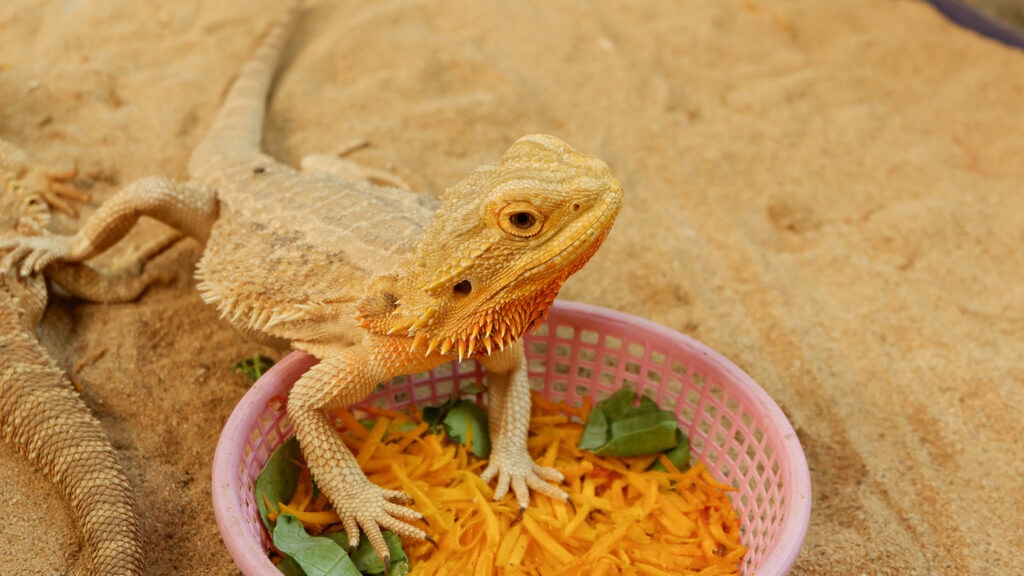
Photo by UpPiJ/iStock/Getty Images Plus via Getty Images
There’s something about a juicy piece of cantaloupe that seems to catch everyone’s attention—including curious bearded dragons. But can bearded dragons eat cantaloupe?
They can, but moderation is key. Because cantaloupe is naturally high in sugar, it’s best saved for the occasional treat instead of becoming part of your beardie’s regular menu.
Here’s what to know before you add cantaloupe to your beardie’s treat rotation.
Before introducing any new food into your bearded dragon’s diet, always check with your veterinarian.
Key Takeaways
- Yes, bearded dragons can eat small amounts of cantaloupe with the rind and seeds removed.
- Think of cantaloupe as a rare dessert for beardies—not an everyday food.
- Too much cantaloupe can cause digestive upset in beardies.
Can Bearded Dragons Have Cantaloupe?
Yes, bearded dragons can have cantaloupe when it’s ripe, plain, and cut into small pieces with the rind and seeds removed.
But while cantaloupe may be a health food for humans, think of it as a dessert for beardies. A little goes a long way, and it should always play second fiddle to nutrient-rich greens and feeder insects.
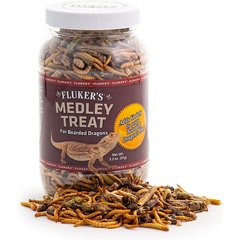
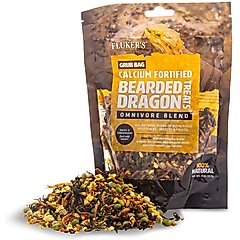
If you’re looking for a different way to spoil your beardie, these reptile treats make a great reward instead, and they’re a much better match for their natural eating habits:
Recommended Products

Is Cantaloupe Good for Bearded Dragons?
Cantaloupe is more of a rare treat than a health food for bearded dragons. That said, it can have a few small benefits when given very occasionally.
In small amounts, cantaloupe offers:
- A refreshing treat: Cantaloupe is naturally high in water, making it a cool, juicy snack that many beardies enjoy, especially during warmer weather. Just don’t rely on it as their only source of hydration.
- Some naturally occurring nutrients: Cantaloupe provides small amounts of vitamins A and C, along with antioxidants that help support overall health. Even so, it’s not nutritious enough to take the place of nutrient-rich staple greens.
- A change from the usual: If your beardie’s salad rotation is starting to look the same every day, a tiny piece of cantaloupe can introduce a different flavor, texture, and smell while keeping fruit portions under control.
Is Cantaloupe Bad for Bearded Dragons?
Cantaloupe isn’t inherently unsafe for beardies, but it’s much sweeter than the foods they should eat regularly.
The biggest concerns with giving your beardie cantaloupe are:
- Too much sugar: Cantaloupe is naturally sweet and feeding it too often can encourage unhealthy bacteria to grow in your beardie’s digestive tract. Over time, that may contribute to digestive upset, gastrointestinal infections, dental disease, and a diet that’s less balanced overall.
- Too much watery fruit: A bite or two is unlikely to cause problems, but overeating cantaloupe can send a little too much water through your beardie’s digestive system, leading to loose stools or stomach upset.
- Rind and seeds: Think of the rind and seeds as built-in packaging—not part of the snack. They’re much tougher than the soft melon flesh and can increase the risk of choking, trouble swallowing, or digestive upset.
How Much Cantaloupe Can Bearded Dragons Eat?
With cantaloupe, a little goes a long way. One or two small, bite-size cubes every two to four weeks is more than enough for most adult bearded dragons. As a general rule, fruit should make up no more than 5% of your beardie’s diet.
If your beardie is young, overweight, or sensitive to fruit, your veterinarian may suggest an even smaller portion.
How To Safely Feed Cantaloupe to Bearded Dragons
When prepping cantaloupe, the goal is to serve only the soft, juicy melon and leave everything else behind.
Before sharing a bite with your beardie:
- Remove the rind and seeds.
- Cut the melon into tiny, bite-size pieces.
- Offer just one or two very small pieces at a time.
- Skip syrup, sugar, whipped cream, or other sweet toppings.
My Bearded Dragon Ate Too Much Cantaloupe—What Do I Do?
If your bearded dragon managed to sneak a few extra bites of cantaloupe, don’t panic. Most of the time, the biggest concern is an upset stomach from all the extra fruit—not a medical emergency.
Over the next day or two, watch for:
- Loose stool
- Reduced appetite
- Bloating
- Lethargy
Contact your veterinarian if:
- Your beardie ate a large amount of cantaloupe.
- The cantaloupe came from a fruit cup, dessert, or another sweetened dish.
- Your bearded dragon refuses food, seems unusually weak, or isn’t acting like themselves.
- Digestive upset lasts more than a day or two.
If you’re unable to reach your veterinarian and you’re worried your beardie ate cantaloupe mixed with potentially harmful ingredients, you can also contact the Pet Poison Helpline (855-764-7661).
What Other Fruits Can Bearded Dragons Eat?
Cantaloupe isn’t the only fruit that can make an occasional appearance in your beardie’s bowl. Some other beardie-friendly fruits include:
- Apples
- Bananas
- Blackberries
- Blueberries
- Mango
- Papaya
- Strawberries
FAQs About Cantaloupe for Bearded Dragons
Can baby bearded dragons eat cantaloupe?
Baby beardies can have a tiny taste of cantaloupe once they’re eating fruits, but they don’t need it.
During their first year, properly sized, gut-loaded insects should still make up most of their diet, with greens becoming more important as they mature.
Can bearded dragons eat cantaloupe rind?
Definitely skip the rind. It’s much tougher than the soft melon inside and can be difficult for beardies to bite through or digest comfortably.
Can bearded dragons eat cantaloupe seeds?
No, it’s best to remove cantaloupe seeds before giving the fruit to your beardie. Seeds are much harder than the fruit itself and aren’t worth the choking or digestive risk.
Attributions
This article was created with assistance from AI tools. The content has been reviewed for accuracy and edited by a human.