Pacman Frog Care Sheet


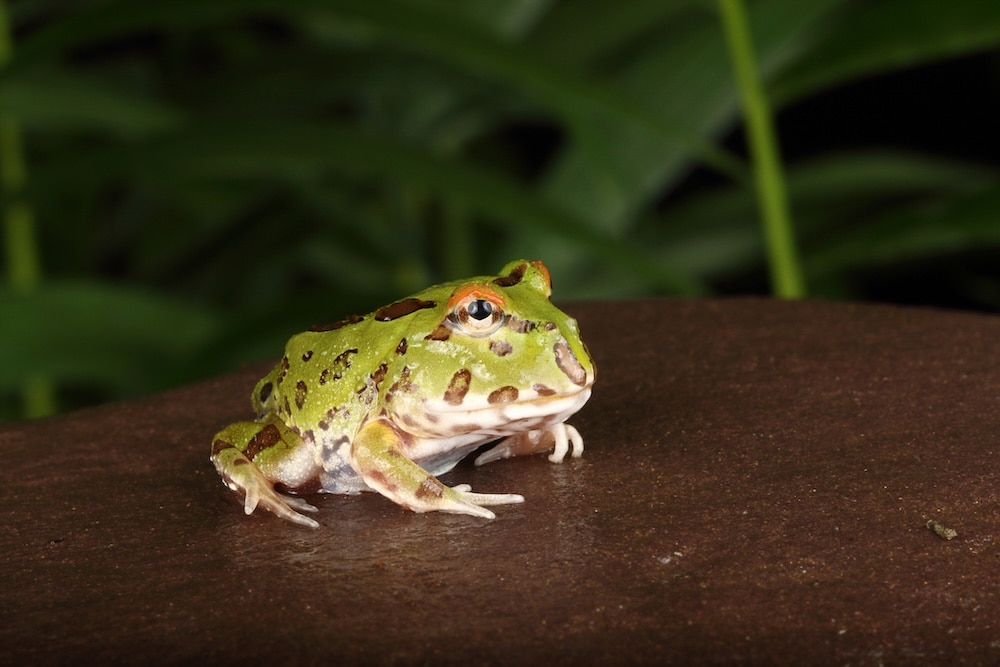
Photo by David Kenny/iStock/Getty Images Plus
Pacman frogs are brightly colored amphibians, native to South American jungles. These unique buddies make wonderful pets—even if you can’t handle them as often as other pets.
If you’re thinking about getting a Pacman frog or have recently gotten one, make sure you have everything you need to give them a long, healthy life.
Pacman Frog Overview
- These frogs are sedentary, solitary amphibians that don’t need regular play or socialization.
- With proper care, they can live 10–15 years.
- Pacman frogs can grow to 3–8 inches—about the size of your hand.
Fun Facts About Pacman Frogs
- These fun frogs get their name from the popular Pac-Man video game.
- Pacman frogs are generally large—fully grown adults can weigh up to 1 pound.
- They’re also called “horned frogs,” as they have two points above their eyes that make them look like they are wearing horns.
Pacman Frog Tank
Get your Pacman frog a tank that’s at least 10–20 gallons, and taller than it is wide.
Recommended Products

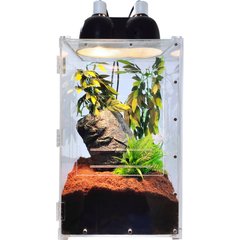
These frogs are sedentary and don’t need much space to move around. However, they should have enough room to burrow and explore. Add a secure, tight-fitting screened lid for good ventilation and to prevent your pet from escaping.
These amphibians should never be housed with other Pacman frogs or other animals. If you plan to keep multiple Pacman frogs, they should be housed individually.
Line the bottom of the tank with 3–4 inches of substrate, like sphagnum moss or coconut fiber.
Recommended Products


Do not use reptile carpet, artificial turf, gravel, or rocks, as these could harm your frog’s skin.
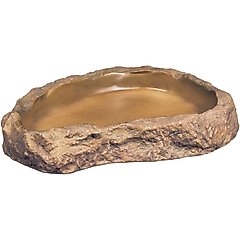
Place a large, open, shallow bowl of filtered, dechlorinated water for soaking and drinking. Avoid unfiltered tap water that might contain contaminants, and don’t give your frog distilled water because it lacks the minerals they need.
Recommended Product
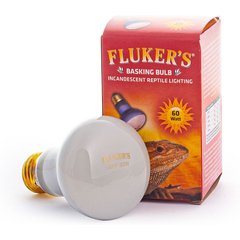
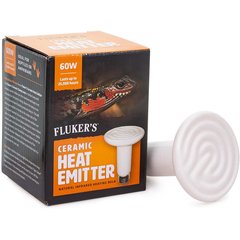
For heating and lighting, install a low-wattage incandescent bulb, a ceramic heat emitter, or an under-tank heating pad to provide heat and help regulate your frog’s body temperature.
Recommended Products
Keep any heat source attached to a thermostat so you can regularly monitor the temperature to ensure it’s within range.
Install a low-level UVB light over the tank for your frog’s daily ultraviolet exposure, keeping the light on for 10–12 hours each day. Make sure to turn off the light at night, or switch to an infrared or nocturnal bulb so your frog can rest.
Recommended Product

Your tank should have one warmer side and one cooler side, giving your frog a chance to regulate their body temperature as needed. Keep one thermometer on each side to check both sides at once every day. Habitats should be 75–83 F during the day and 70–75 F at night.
Monitor humidity with a humidity gauge and aim for 70–80%. Keep a mister handy to spray dechlorinated water daily, or multiple times a day, to boost and maintain humidity as needed. You can also keep the substrate damp, not wet, for increased humidity.
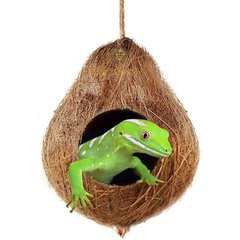
Decorate your frog’s habitat with at least two hideaways, as well as foliage to mimic their natural environment.
Recommended Products

Cleaning and Maintenance
Spot-clean your frog’s habitat daily. Remove any uneaten food and disinfect the food and water dishes.
Thoroughly clean and disinfect your frog’s tank at least once a month, using an amphibian-safe habitat cleaner or a 3% bleach solution.
Recommended Product

For deep cleaning, wear powder-free latex gloves that are moistened with dechlorinated water to carefully move your frog to a temporary habitat.
Remove the substrate and accessories from the tank, and discard the substrate. Then scrub the tank and accessories with the cleaner. Let the disinfectant sit on the tank for at least 10 minutes, then rinse everything with water until the cleaner’s odor is gone.
The tank should be fully dry before adding new substrate and returning the accessories to their proper places. Once the habitat is set up, your pet can go back in.
Always thoroughly wash your hands before and after handling your frog.
Pacman Frog Diet
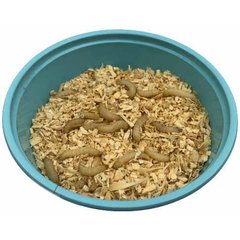
Feed your Pacman frog a variety of gut-loaded (recently fed) insects and worms, like mealworms, crickets, and roaches.
Recommended Products

You can also feed adult frogs thawed, previously frozen rodents once every other week. Never feed your Pacman frog live prey.
Feed juveniles daily and adults one to two times a week.
Pacman frogs need two supplements regularly: a calcium plus vitamin D supplement a few times per week (daily for juveniles) and a weekly multivitamin.
Recommended Products
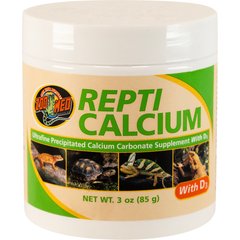
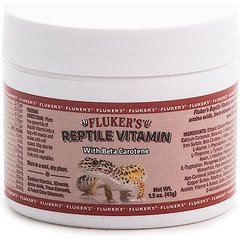
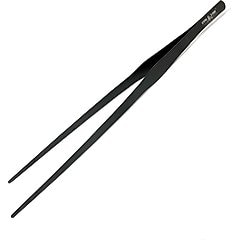
Dust insects with the supplements before giving them to your frog. Use tongs, not fingers, to offer meals, as this prevents your frog from associating your fingers with food.
Recommended Product
Pacman Frog Handling
Pacman frogs have sharp teeth and are prone to biting, which means they are better observed than handled.
If you need to hold your frog for tank cleaning purposes or veterinary care, wear powder-free latex gloves moistened with dechlorinated water. Human hands carry oils and bacteria that a Pacman frog can absorb through their delicate skin, which may cause infections or illness.
Pacman Frog Health
Pacman frogs are amphibians and regularly shed their skin. Some shed daily, while others shed every few weeks. They usually shed in one piece and then eat it. You’ll know it’s shedding time when your frog’s skin turns cloudy or milky and your pet crouches.
Take your Pacman frog to the vet once a year for a checkup. Watch them to learn what normal behavior and health patterns look like.
Healthy Pacman frogs have clean, clear eyes and a round, plump body. They’re also alert and eat well.
Watch for dry skin, eye discharge, or skin lesions, which could signal problems. Contact your vet if you see red limbs, weight loss, or bent toes or bones.
Pet Pacman Frog Supply Checklist
- Appropriately sized habitat
- Substrate and moss
- Climbing decor, hideaways, and plants
- Water and food dishes
- Heat light or emitter or under-tank heater
- Nighttime reptile bulbs
- UVB light and fixture
- Thermostat and thermometers
- Multivitamin and calcium plus vitamin D supplements
- Cricket keeper, quencher, and food
- Live insects and worms
- Frozen rodents (only for adult frogs)
- Humidity gauge
- Water mister
FAQs About Pacman Frogs
What do Pacman frogs eat?
Pacman frogs of all ages eat various gut-loaded (recently fed) insects and worms. You can feed adult Pacman frogs a thawed, previously frozen rodent every other week as well.
How long do Pacman frogs live?
With proper care, Pacman frogs can live 10–15 years.
How big do Pacman frogs get?
Average adult male Pacman frogs are 3–4 inches long, while adult females are 4-8 inches long.
Are Pacman frogs good pets?
Pacman frogs are great pets for beginner amphibian and reptile keepers who want to care for an animal that doesn’t require much handling.
Can Pacman frogs live together?
No; Pacman frogs should be housed alone. They should not be put in the same habitat because they are cannibalistic. Their natural prey includes frogs of all species, including their own.
Do Pacman frogs like to be held?
Pacman frogs have sharp teeth and have a tendency to bite, so don’t hold your frog unless you have to.
Click here for a printable PDF version of this care sheet!
Attributions