Can Ferrets Eat Cat Food?


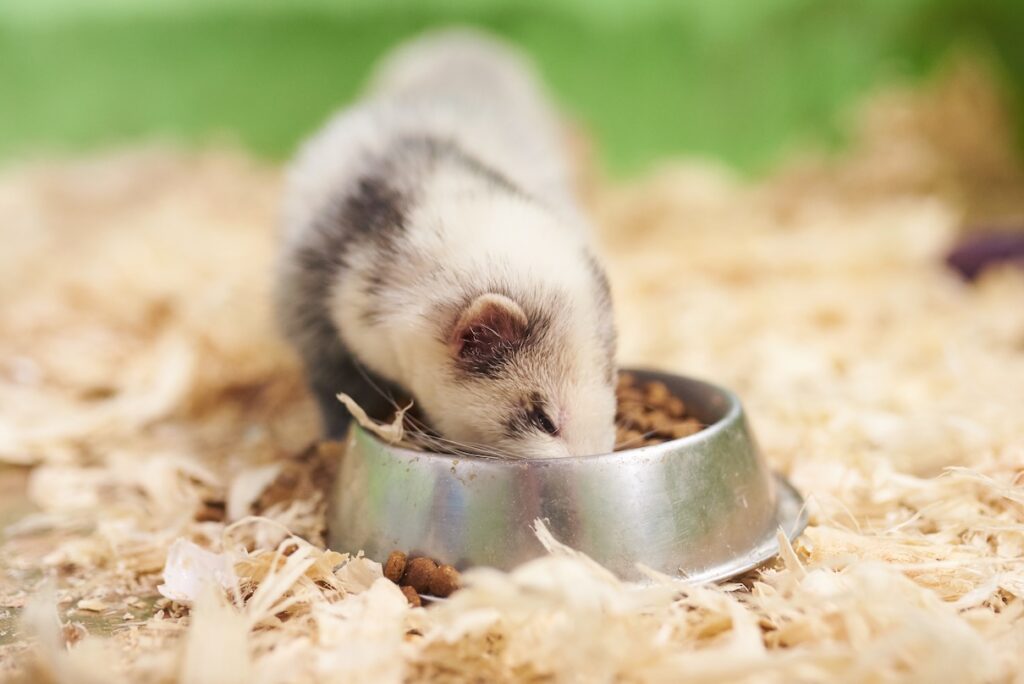
Photo by Adobe/Artsiom P
You’re shopping for your ferret and spot a quality high-protein cat food on sale. The ingredients look similar to those in their usual food, and you find yourself wondering: Can ferrets eat cat food?
Yes—but only temporarily. In a pinch, a high-protein cat or kitten food can work until you can purchase ferret food.
Here’s what veterinarians say about when cat food is acceptable—and what ferrets should eat instead.
Key Takeaways
- Ferrets can eat cat food temporarily, but ferret food is the best long-term choice.
- Cat food isn’t inherently toxic to ferrets, but many formulas don’t meet their nutritional needs.
- Regularly feeding your ferret an imbalanced diet can lead to nutritional deficiencies and other serious health problems.
- In a pinch, choose a high-protein, low-carbohydrate cat or kitten food from a trusted manufacturer.
Why Do Cats and Ferrets Eat Similar Food?
Cats and ferrets are both obligate carnivores, meaning they require a meat-based diet and nutrients found naturally in animal tissues. That shared biology is why their foods often appear similar: Both tend to be high in animal protein and relatively low in carbohydrates.
However, ferrets have a shorter, simpler digestive tract than cats, and food moves through their system more quickly, says Jonathan Stockman, DVM, DACVIM, a veterinary nutritionist and assistant professor at the UC Davis School of Veterinary Medicine. That means ferrets need highly digestible food to absorb nutrients efficiently in a short amount of time.
“Meat is much easier to digest than fruits, vegetables, and grains as a protein source,” says W. Chris Hummel, DVM, a veterinarian at Lovet Pet Health Care. Although nutritional recommendations for pet ferrets haven’t been standardized, their protein and fat requirements are likely higher than those established for cats.
Can Ferrets Eat Cat Food?
Ferrets can eat cat food occasionally or in an emergency, but it shouldn’t replace a balanced ferret diet.
When ferret food is temporarily unavailable, Dr. Stockman recommends choosing a high-protein, low-carbohydrate cat or kitten food from a manufacturer you trust. Treat it as a short-term solution rather than a permanent replacement for ferret food.
Is Wet or Dry Cat Food Better for Ferrets?
Rather than choosing based only on whether a food is wet or dry, pay attention to a food’s overall nutrient profile—particularly its protein, fat, carbohydrate, and fiber content.
Because wet and dry foods contain very different amounts of moisture, the percentages on their labels can’t always be compared directly. Your veterinarian can help you compare foods on a dry-matter basis and determine whether a particular formula is appropriate as a temporary substitute.
Wet Cat Food
Wet food for cats is generally lower in carbohydrates and higher in fat and protein than some dry foods. Its added moisture also helps ferrets stay hydrated.
However, wet cat food spoils more quickly once opened and shouldn’t be left out for extended periods.
Dry Cat Food
Dry cat food is more convenient because it can stay out longer without spoiling.
However, the carbohydrates in these types of cat food are higher.
What to Prioritize
No matter if you choose wet or dry cat food, choose options where whole meat or meat byproducts are among the first ingredients.
As for specific macros, the breakdown should be*:
- Protein: 30% or higher
- Fat: 15% or higher
- Carbs/fiber: Below 7%
*According to W. Chris Hummel, DVM, a veterinarian at Lovett Pet Healthcare. Nutritional recommendations for ferrets have not been standardized and are likely higher than those established for pet cats. Ask your veterinarian to help you evaluate a specific food.
Can Ferrets Eat Kitten Food?
Kitten food is generally formulated with more protein (30% minimum) and fat (9% minimum) than adult or senior cat food because it’s designed to support rapid growth. That may make some kitten foods a closer match for ferrets than many adult cat foods.
Still, kitten food isn’t specifically formulated for ferrets and shouldn’t replace ferret food long-term.
What Are the Risks of Ferrets Eating Cat Food?
Feeding cat food instead of a balanced ferret diet over time can lead to nutritional imbalances and other health problems.
Dr. Hummel says an inappropriate diet may contribute to conditions such as:
- Obesity
- Heart disease (cardiomyopathy)
- Rickets
- Urinary crystals or stones
- Hypercalcemia
- Kidney failure
- Fatty liver disease
There’s another reason to be cautious about making cat food a staple.
“Ferrets imprint on their favorite foods early in life and are often reluctant to eat a new food later in life,” Dr. Hummel says.
Introducing cat food regularly—especially to young ferrets—could make it harder to transition them back to a ferret-specific diet.
What Should Ferrets Eat Instead of Cat Food?
Unlike cats and dogs, ferrets don’t have formally established nutritional guidelines because ferret nutrition hasn’t been studied as extensively.
However, Dr. Stockman feels confident in the ferret foods currently on the market. His 2026 study examining commercially available ferret diets found that the foods studied exceeded the minimum protein requirements established for cats and mink—two obligate carnivores with similar dietary needs.
Commercial ferret diets are now widely available, especially online. Dr. Hummel encourages ferret parents to consider automatic deliveries, so they don’t run out.
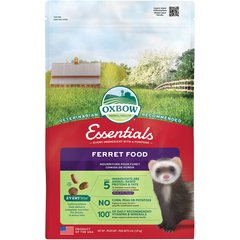
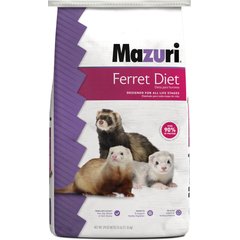
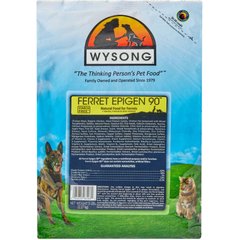
Although Dr. Stockman doesn’t recommend any specific brand, Dr. Hummel recommends looking for a meat-based, high-protein ferret food that is low in carbohydrates and fiber. His top picks include Oxbow Essentials Ferret Food, Mazuri Ferret Diet, and Wysong Ferret Epigen 90.
Recommended Products
How Often Should Ferrets Eat?
Because food moves through their digestive tract quickly—often within three hours. They generally need frequent access to food because of their rapid metabolism.
Talk to your veterinarian about the best feeding schedule for your ferret based on their age, health, ideal weight, and the food you choose. You can find a list of experienced veterinarians on the American Ferret Association website.
What Foods Should Ferrets Avoid?
Curious by nature, ferrets have a knack for getting into things they shouldn’t. When it comes to potentially toxic foods and plants, that curiosity can have serious consequences. Like other animals, ferrets are extremely sensitive to xylitol.
“Given their small size, small amounts can be problematic,” says Renee Schmid, DVM, DABT, DABVT, director of veterinary medicine and senior veterinary toxicologist at Pet Poison Helpline.
| Foods and Substances | Household Plants |
|---|---|
| Chocolate | Azaleas |
| Grapes and raisins | Shamrock |
| Onions | Oleander |
| Garlic | Pothos |
| Candy or sugar-free gum | Philodendron |
| Peanut butter | Dieffenbachia |
Ferrets should also avoid foods that are nutritionally inappropriate or may pose other health hazards, including:
- Dairy
- Sugary foods, including fruit
- Cooked bones
- Bread and other high-carbohydrate foods
Besides foods and plants, keep all medications securely stored and out of reach.
“Ibuprofen is one over-the-counter medication found in many households where one tablet could be fatal,” Dr. Schmid warns.
Signs of Poisoning in Ferrets
Signs your ferret may have ingested something harmful include:
- Drooling
- Lethargy or unusual sleepiness
- Loss of appetite
- Reluctance to play
- Vomiting or diarrhea
- Difficulty walking or loss of coordination
- Body tremors or seizures
If you think your ferret has ingested something toxic, don’t wait for symptoms to appear. Contact your veterinarian or Pet Poison Helpline right away.
“By the time abnormalities develop, it is often more difficult to treat, more stressful on the pet, more costly to the owner, and potentially fatal,” she cautions.
Bottom Line: Ferrets can eat cat food in an emergency, but it shouldn’t become their regular diet. A high-quality ferret food remains the healthiest choice because it’s designed for their unique nutritional needs.
FAQs About Ferrets and Cat Food
Is cat food bad for ferrets?
Cat food isn’t toxic to healthy ferrets, but it shouldn’t replace a complete ferret diet except temporarily. For the best nutrition, feed your ferret a high-quality, ferret-specific diet.
What happens if a ferret eats cat food?
An occasional meal of cat food is unlikely to harm a healthy ferret, but feeding it long-term can cause nutritional imbalances.
What is the best cat food for ferrets?
No cat food is better than a quality ferret food. Ferrets should eat ferret-specific food whenever possible.
When you need a temporary substitute, look for a meat-based cat or kitten food that is high in protein (30% or more), high in fat (15% or more), and low in carbohydrates and fiber (less than 7%).
What’s the difference between ferret and cat food?
Ferret food is formulated around ferrets’ need for highly digestible animal protein, adequate fat, and very low levels of carbohydrates and fiber.
Cat foods vary widely, and many aren’t formulated for a ferret’s nutritional needs.
How often can I feed my ferret cat food?
Cat food should only be used as a temporary substitute when ferret-specific food isn’t available. Return to an appropriate commercial ferret food as soon as possible.
Attributions