How To Safely Switch Your Ferret’s Food

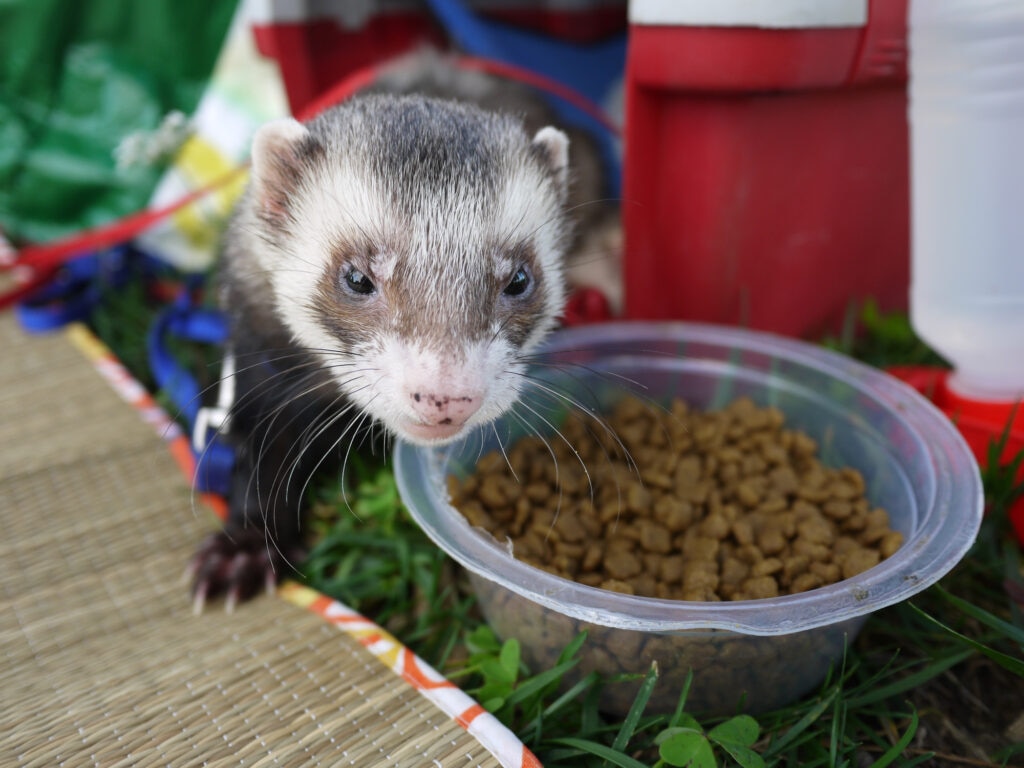
Photo by Renata Eloize/iStock/Getty Images Plus
Ferrets can be surprisingly particular about what they eat.
Because they have a short digestive tract, high metabolism, and need to eat frequently, changing your ferret’s food requires a little planning.
Whether you’re switching brands, changing formulas, or moving to a new diet your veterinarian recommends, introducing the new food gradually gives your ferret time to accept it while letting you monitor their appetite and digestive health.
For many healthy ferrets, a seven to 14-day transition is a reasonable starting point, although some may need longer.
Key Takeaways
- Most ferrets should transition to a new food gradually over 7 to 14 days, although some need more time.
- Gradually increase the new food while decreasing the old food, and make sure your ferret continues eating throughout the process.
- Monitor your ferret's appetite, stool, energy level, and weight during the transition.
- Never try to make a ferret accept a new food by withholding their familiar food for a prolonged period.
- Contact your veterinarian if your ferret refuses food or develops vomiting, persistent diarrhea, lethargy, or other signs of illness.
How To Safely Switch Your Ferret’s Food
To switch your ferret’s food, gradually mix increasing amounts of the new food with decreasing amounts of their current food over about seven to 14 days.
Recommended Products
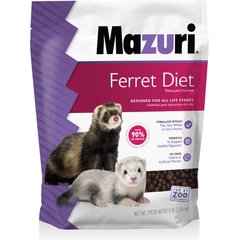

Start with mostly familiar food and a small amount of the new food.
If your ferret continues eating normally and seems to be doing well, gradually increase the proportion of new food every few days.
Timelines vary, but what matters most is that your ferret keeps eating.
It’s important to also pay attention to how much food your ferret eats.
Ferrets sometimes hide or cache food, so an empty bowl doesn’t always mean they ate a full meal.
Why Should You Transition Ferret Food Slowly?
Ferrets are obligate carnivores, meaning they need a meat-based diet high in animal protein and fat and low in fiber and carbohydrates.
They have a short GI tract, which food moves through quickly, and a high metabolism, so they typically eat multiple small meals throughout the day.
Ferrets can also develop strong preferences for familiar foods.
Offering young ferrets a variety of appropriate foods may help encourage dietary flexibility later in life, but an adult ferret who has eaten the same food for years may be reluctant to suddenly accept something unfamiliar.
Gradually introducing a new food helps your ferret get used to its smell, texture, and taste while you monitor how well they eat and whether any digestive changes occur.
Ferret Food Transition Schedule
Use this as a general starting point for a healthy ferret who is eating normally:
| Days | Old Food | New Food |
|---|---|---|
| 1–3 | 75% | 25% |
| 4–6 | 50% | 50% |
| 7–9 | 25% | 75% |
| 10+ | 0% | 100% |
If your ferret is hesitant to eat the mixture at any point, slow down and return to the last ratio they ate willingly.
If your ferret has a medical condition or needs a therapeutic diet, ask your veterinarian how quickly you should make the change.
Signs the Transition Is Going Well
Signs the transition is going well for your ferret include:
- Eating their usual amount of food
- Willingly eating both the old and new foods
- Maintaining their usual energy and activity level
- Maintaining a healthy weight
- Having stool that is reasonably consistent with their normal baseline
Stool can vary somewhat with diet, so know what’s normal for your ferret and watch for significant or persistent changes.
What If Your Ferret Won’t Eat the New Food?
If your ferret won’t eat the new food, slow down the transition instead of waiting it out.
Return to the last ratio of old and new food your ferret willingly ate. Once they’re eating reliably again, try increasing the new food in smaller increments.
Don’t withhold your ferret’s familiar food to make them hungry enough to eat something new. Ferrets have a high metabolism and need to eat frequently, so a significant decrease in food intake can quickly cause a medical issue.
If your ferret stops eating or seems sick, call your veterinarian right away.
When To Call Your Veterinarian
Contact your veterinarian if your ferret develops:
- A significant decrease in appetite or refusal to eat
- Vomiting
- Persistent diarrhea
- Weight loss
- Lethargy or weakness
- Signs of dehydration
Don’t automatically assume that changing your ferret’s food caused these signs.
Ferrets can develop gastrointestinal disease and other medical conditions that cause similar symptoms.
FAQs About How To Safely Switch Your Ferret’s Food
How long does it take to switch a ferret’s food?
Many healthy ferrets transition in about seven to 14 days, although some may need longer.
Can I switch my ferret’s food all at once?
It’s generally better to introduce a new food gradually. Mix a small amount of the new food with your ferret’s familiar food, then gradually increase it as long as your ferret keeps eating normally. If your veterinarian has recommended a diet change because of a medical condition, follow their instructions for how quickly to make the switch.
Why won’t my ferret eat new food?
Ferrets can develop strong preferences for familiar foods and may be reluctant to eat something with a different smell, taste, or texture.
However, a decreased appetite can also signal illness, so contact your veterinarian if your ferret stops eating or eats much less than usual.
What should I do if my ferret gets diarrhea after changing food?
If your ferret develops diarrhea during a food change, pause the transition. Contact your veterinarian if the diarrhea persists, is severe, or is accompanied by a decreased appetite, vomiting, lethargy, or other signs of illness.
Can ferrets eat different brands of food?
Yes, if it’s a complete diet made for ferrets. Look for high animal protein and fat, and low fiber and carbohydrates. You can always also ask your veterinarian if you’re unsure.
Attributions
References
- Quesenberry KE, Orcutt CJ, Mans C, et al. Ferrets, Rabbits, and Rodents: Clinical Medicine and Surgery. 4th ed. Elsevier; 2021.
- Oglesbee BL. Blackwell’s Five-Minute Veterinary Consult: Small Mammal. 3rd ed. Wiley-Blackwell; 2024.
- Hoefer HL. Gastrointestinal diseases of ferrets. In: Quesenberry KE, Orcutt CJ, Mans C, et al., eds. Ferrets, Rabbits, and Rodents: Clinical Medicine and Surgery. Elsevier; 2021.
- Bell JA. Ferret nutrition. Veterinary Clinics of North America: Exotic Animal Practice. 1999;2(1):169–192.