Insulinoma in Ferrets: Symptoms, Treatment, and Warning Signs

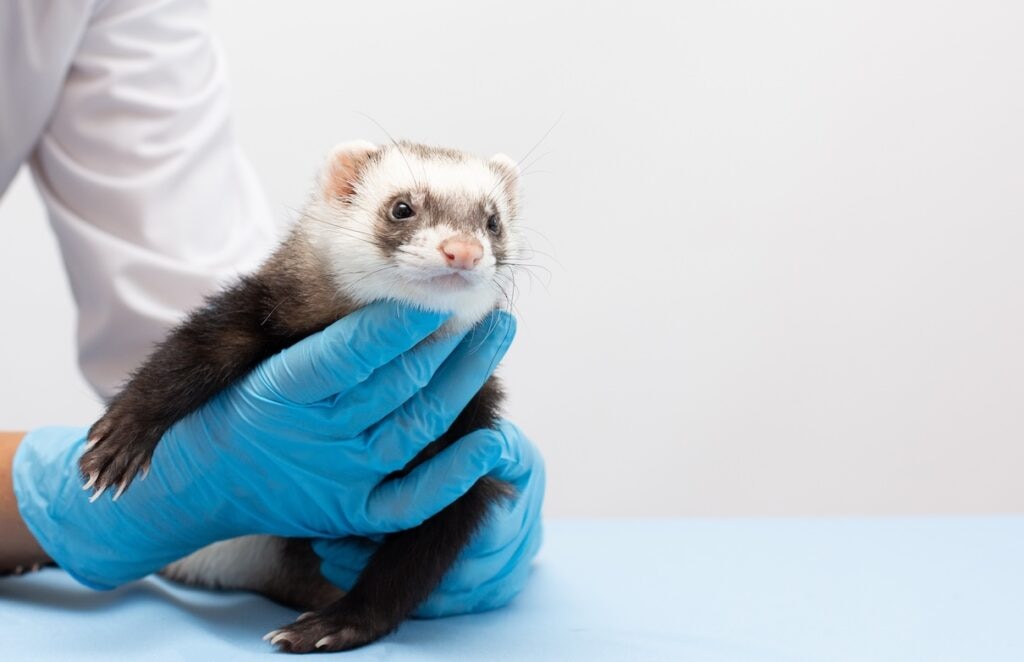
Photo by Adobe/Irina
An insulinoma is one of the most common tumors in ferrets. It develops in the insulin-producing beta cells of the pancreas. These tumors produce too much insulin, causing dangerously low blood sugar (hypoglycemia), which can cause decreased appetite, weakness, collapse, seizures, and coma.
If your ferret has a seizure, collapses, appears weak, or becomes unresponsive, it’s a medical emergency. Take them to a veterinary hospital right away.
Key Takeaways
- Insulinoma in ferrets is caused by pancreatic tumors that release excessive insulin, leading to low blood sugar.
- Common signs include increased sleeping, weakness, loss of appetite, drooling, tremors, collapse, and seizures.
- Insulinoma treatment for ferrets includes medication, dietary changes, surgery, and emergency care during low-blood-sugar episodes.
What Is an Insulinoma in Ferrets?
An insulinoma is a tumor of the insulin-producing cells of a ferret’s pancreas. Insulinomas account for approximately 20–25% of cancers diagnosed in ferrets. It most commonly affects ferrets aged 4–6 years.
Insulinoma is a progressive disease that typically worsens over time without treatment. Many ferrets improve after surgery, although multiple tumors may already be present or develop later.
If clinical signs recur after surgery, veterinarians typically start medical management. If medication no longer controls symptoms, the prognosis becomes poor.
What Are the Symptoms of Insulinomas in Ferrets?
Clinical signs of insulinoma typically stem from hypoglycemia. They may even act completely normal between episodes.
Insulinoma symptoms often begin subtly before becoming more severe over time:
- Sleeping more
- Decreased appetite
- Weight loss
- Weakness
- Stumbling or wobbliness
- Hind-end weakness
- Staring into space
- Pawing at the mouth, which may indicate nausea
- Drooling
- Tremors
- Seizures
- Collapse
- Coma
Early in the disease, symptoms may come and go and often improve after eating.
Seek immediate veterinary care if they collapse, have a seizure, become unresponsive, stop eating, or develop tremors—these are signs of a ferret emergency.
What Causes an Insulinoma in Ferrets?
The pancreas contains beta cells that produce insulin, the hormone that moves glucose from the bloodstream into cells for energy.
Researchers haven’t identified a definitive cause, but possible risk factors include:
- Age, particularly 4–6 years
- Obesity or diets high in carbohydrates or sugars
- Genetics
How Do Vets Diagnose an Insulinoma in Ferrets?
Veterinarians diagnose insulinomas using a combination of symptoms, physical examination, blood testing, and sometimes imaging.
Diagnostic tests may include:
- Blood glucose testing
- Insulin testing
- Complete blood work
- Imaging, when needed
What Are the Treatments for Insulinomas in Ferrets?
Insulinoma treatment isn’t one-size-fits-all. Treatment depends on their age, overall health, blood sugar levels, symptoms, and whether surgery is appropriate.
Treatment options include:
- Medications: Prednisolone helps raise blood sugar while diazoxide reduces insulin release.
- Surgery: Surgery often improves blood sugar control but rarely cures the disease because microscopic tumors may remain or return.
- Emergency treatment: Severe hypoglycemia in ferrets often requires hospitalization, IV dextrose, and seizure control until blood sugar stabilizes.
What Conditions Can Mimic an Insulinoma in Ferrets?
Like insulinoma, several other medical conditions can cause weakness, collapse, or seizures in ferrets.
- Adrenal disease: Adrenal disease can occur at the same time as insulinoma. Signs include hair loss, itchy skin, swelling, or difficulty urinating in males. Ferrets with untreated adrenal disease may also appear weak or lethargic.
- Neurological problems: Brain disease, epilepsy, or other nervous system disorders can result in seizures, wobbliness, weakness, or behavioral changes.
- Heart problems: Heart disease, including abnormal heart rhythms, may lead to weakness, collapse, low energy, and reduced exercise tolerance.
- Toxin exposure: Certain toxins, medications, and household cleaning products can cause drooling, tremors, seizures, weakness, and collapse.
How Can I Help My Ferret Feel More Comfortable?
Professional veterinary care is the most important part of managing pancreatic tumors in ferrets.
At home, the goals are to reduce stress, prevent missed meals, and make daily life easier for your pet. Here are some ways to help keep them comfortable:
- Feed high-protein, low-carbohydrate meals four to six times daily, or as directed by your veterinarian.
- Monitor their blood glucose at home if your veterinarian recommends it and shows you how.
- Give medications exactly as prescribed and at the same times each day.
- Keep food, water, and litter boxes within easy reach.
- Remove ramps or extra cage levels if your ferret is weak or unsteady.
- Cover slippery floors with bedding or padding.
- Provide gentle enrichment, such as tunnels or supervised cuddle time.
- Keep emergency supplies, such as honey or corn syrup, available if your veterinarian recommends them. Use them only as directed by your veterinarian.
If they continue to refuse food, take them to a veterinarian for an in-person examination. Their treatment plan or medications may need adjustment.
Recommended Products


Can You Prevent an Insulinoma in Ferrets?
There’s no guaranteed way to prevent insulinoma, but good preventive care supports overall health:
- Schedule regular vet visits.
- Choose a high-quality ferret food.
- Avoid sugary ferret treats.
- Closely monitor their appetite and energy level.
Take them to a veterinarian right away if they appear weak, wobbly, or sleepier than normal
FAQs About Insulinoma in Ferrets
How long will a ferret live with insulinoma?
Many ferrets live months to several years after diagnosis with appropriate treatment.
How common are ferret insulinomas?
Yes. Insulinomas are among the most common endocrine diseases in middle-aged and older ferrets.
What should you feed a ferret with an insulinoma?
Feed a high-protein, meat-based diet that’s low in carbohydrates. Your veterinarian can recommend an appropriate food and feeding schedule based on your ferret’s condition.
What foods should ferrets with insulinoma avoid?
Avoid sugary or high-carbohydrate foods, including fruit, bread, and sweet treats. These foods can cause rapid changes in blood sugar levels.
Can insulinoma in ferrets be cured?
Insulinomas in ferrets are typically managed rather than cured. Surgery may improve blood sugar control and reduce symptoms, but tumors can remain or recur.
Can insulinoma in ferrets be fatal?
Yes. Without treatment, insulinoma can lead to severe hypoglycemia, seizures, coma, and death. Early diagnosis and treatment greatly improve quality of life and survival.
Are seizures in ferrets always caused by insulinomas?
No. Ferrets can also have seizures due to toxins, neurological diseases, infections, metabolic diseases, or other serious conditions.
What should I do if my ferret has a hypoglycemic episode?
If your ferret collapses, has a seizure, becomes unresponsive, or is too weak to swallow, seek emergency veterinary care immediately. Don’t place food, liquid, honey, or corn syrup into the mouth of a ferret who is unconscious, actively seizing, or unable to swallow.
If they are awake and able to swallow, follow your veterinarian’s emergency plan. One plan includes rubbing a small amount of honey or corn syrup onto the gums, followed by a protein-rich meal once your pet is more alert. Even if they improve, contact your veterinarian promptly because the low-blood-sugar episode may recur.
Attributions
References
Quesenberry, K. E., Orcutt, C. J., Mans, C., and Carpenter, J. W. 2020. Ferrets, Rabbits, and Rodents: Clinical Medicine and Surgery, 4th ed. Elsevier.
Dias, S. 2022. Guide to Diagnosing and Treating Neoplasia in Ferrets. In Practice.
Halck, M. L., and van Zeeland, Y. R. A. 2025. Ferret Gastroenterology. Veterinary Clinics of North America: Exotic Animal Practice.
Chung, G., and Lennox, A. M. 2026. Recent Updates in Ferret and Rodent Oncology. Veterinary Clinics of North America: Exotic Animal Practice.
Merck Veterinary Manual. 2024. Hormonal Disorders of Ferrets. Merck Veterinary Manual.