Can Guinea Pigs Eat Bell Peppers?


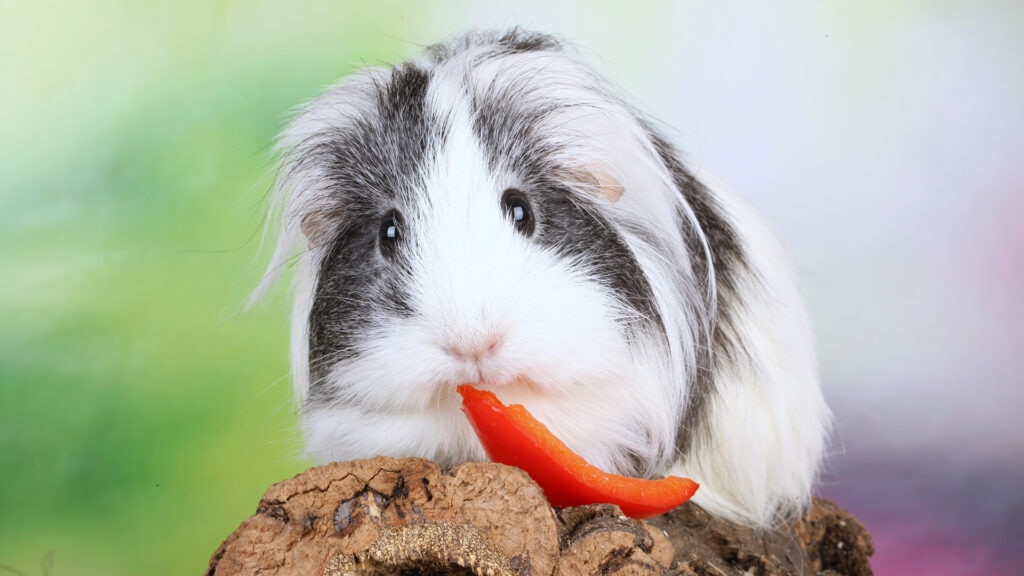
Photo by absolutimages/iStock/Getty Images Plus via Getty Images
Red, yellow, orange, or green. Bell peppers come in plenty of colors, but can guinea pigs eat bell peppers of every shade?
Yes! Bell peppers are not only safe for guinea pigs, but they’re also one of the best vegetables to include in their regular diet. They’re packed with vitamin C, an essential nutrient guinea pigs can’t make on their own.
Here’s how much to offer, how often, and whether one color is better than another.
Always check with your veterinarian before introducing any new food into your guinea pig’s diet.
Key Takeaways
- Guinea pigs can eat bell peppers every day. Red, yellow, orange, and green bell peppers are all safe.
- Bell peppers are packed with vitamin C, a nutrient guinea pigs can't make on their own. Getting enough vitamin C every day helps prevent scurvy and supports their overall health.
- Serve bell peppers fresh, raw, and plain. Skip spicy peppers or anything prepared with seasonings, sauces, or oil.
- If your guinea pig eats too much bell pepper or gets into a spicy pepper, watch for digestive upset or mouth irritation.
Can Guinea Pigs Have Bell Peppers?
Guinea pigs can eat fresh, raw bell peppers. All four colors—red, yellow, orange, and green—are safe, so you can mix things up depending on what you have on hand.
Stick with plain bell peppers, though. Spicy peppers, like jalapeños, habaneros, serranos, and cayenne peppers, aren’t safe for guinea pigs. Skip prepared foods like pickled or stuffed peppers, too, especially when they contain ingredients like garlic, onion, salt, or sauces.
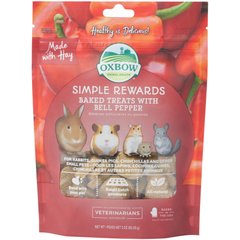
If you don’t have fresh veggies on hand and need a backup option, you can also stock up on these guinea pig treats that contain bell peppers:
Recommended Products

Are Bell Peppers Good for Guinea Pigs?
Bell peppers are one of the best veggies you can give your guinea pig, largely because they’re packed with vitamin C. But that’s not the only thing bell peppers have going for them.
Here’s why they’re a great addition to your piggy’s veggie bowl:
- They’re loaded with vitamin C. Guinea pigs can’t make their own vitamin C, so they need to get it from their food every day. Without enough, they can develop scurvy, a serious condition that can cause weakness, joint pain, and other health problems.
- They make mealtime more interesting. With their satisfying crunch and different colors, bell peppers give your piggy something different to explore and munch, adding a little enrichment to their daily routine.
- They provide extra hydration. Bell peppers contain plenty of water, which helps your guinea pig stay hydrated.
Are Bell Peppers Bad for Guinea Pigs?
Bell peppers are a healthy choice for guinea pigs, but that doesn’t mean they should have unlimited amounts.
Here are the potential downsides:
- Digestive upset: Too much bell pepper, especially if your guinea pig isn’t used to it, can cause gas, bloating, or soft stools. Start with a small piece and gradually increase the amount if they tolerate it well.
- Spicy peppers: Bell peppers are fine, but hot peppers like jalapeños, habaneros, and serranos are a different story. Their heat comes from capsaicin, which can cause burning, irritation, and inflammation.
- Too much of one food: Even a nutritious veggie like bell pepper shouldn’t crowd out hay or other vegetables. Guinea pigs need plenty of hay to keep their digestion moving and their constantly growing teeth worn down.
How Much Bell Pepper Can My Guinea Pig Eat?
Bell peppers can be an everyday veggie for guinea pigs. Aim for about 1 cup of fresh vegetables per adult guinea pig each day, including a few small strips of bell pepper.
If bell pepper is new to your piggy, start with a small piece and work your way up. Watch for any changes in their appetite or poop.
How To Safely Feed Bell Peppers to Guinea Pigs
Bell peppers are pretty easy to prep for your piggy—no cooking or fancy preparation needed. Just follow these steps:
- Pick a fresh pepper.
- Give it a good wash to remove dirt and any pesticide residue.
- Cut away the tough stem, inner ribs, and any spoiled spots.
- Slice the pepper into small strips or bite-size pieces.
- Serve it raw and plain.
- Remove any uneaten pepper after a few hours so it doesn’t spoil.
My Guinea Pig Ate Too Much Bell Pepper—What Do I Do?
A little extra bell pepper isn’t usually a major problem, but eating too much at once can upset their stomach. If your guinea pig overdid it, remove any leftover pepper and keep an eye out for:
- Soft stool or diarrhea
- Gas or bloating
- Loss of appetite
- Fewer or smaller droppings
- Unusual tiredness or low energy
- Mouth irritation, especially if they ate a spicy pepper
If you notice any of these symptoms, contact your veterinarian. If your guinea pig stops eating or pooping, seek veterinary care right away.
If your piggy ate a spicy pepper or something prepared with potentially toxic ingredients like garlic or onion, you can call the Pet Poison Helpline (855-764-7661) to find out if there’s cause for concern.
What Other Vegetables Can Guinea Pigs Eat?
Bell peppers are a great veggie to keep on hand, and there are plenty of other vegetables your guinea pig can enjoy, like:
- Carrots
- Celery
- Cilantro
- Cucumber
- Endive
- Green beans
- Green leaf lettuce
- Parsley
- Red leaf lettuce
- Romaine lettuce
- Zucchini
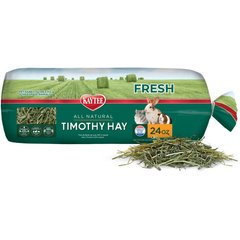
Rotate different guinea pig-safe vegetables throughout the week to add variety to your piggy’s plate. Just remember that unlimited grass hay should always make up most of your guinea pig’s diet.
Recommended Products

FAQs About Bell Peppers for Guinea Pigs
Can baby guinea pigs eat bell peppers?
Yes, baby guinea pigs can eat bell peppers once they’re ready for fresh vegetables. If they’re not used to fresh foods yet, check with your veterinarian about when and how to introduce them.
Can guinea pigs eat pepper seeds?
Yes, guinea pigs can eat the small, soft seeds inside bell peppers. Avoid seeds from spicy peppers.
Can guinea pigs eat green bell peppers?
Yes! Green bell peppers are safe for guinea pigs and are a good source of vitamin C. They’re not as sweet as red, yellow, and orange peppers, but all four colors can be part of your piggy’s regular veggie bowl.
Can guinea pigs eat spicy peppers?
No, guinea pigs shouldn’t eat spicy peppers like jalapeños, habaneros, or serranos. These peppers contain capsaicin, the compound responsible for their heat, which can irritate your guinea pig’s mouth and digestive tract. Stick with sweet bell peppers instead.
Attributions
This article was created with assistance from AI tools. The content has been reviewed for accuracy and edited by a human.