Can Guinea Pigs Eat Peaches?


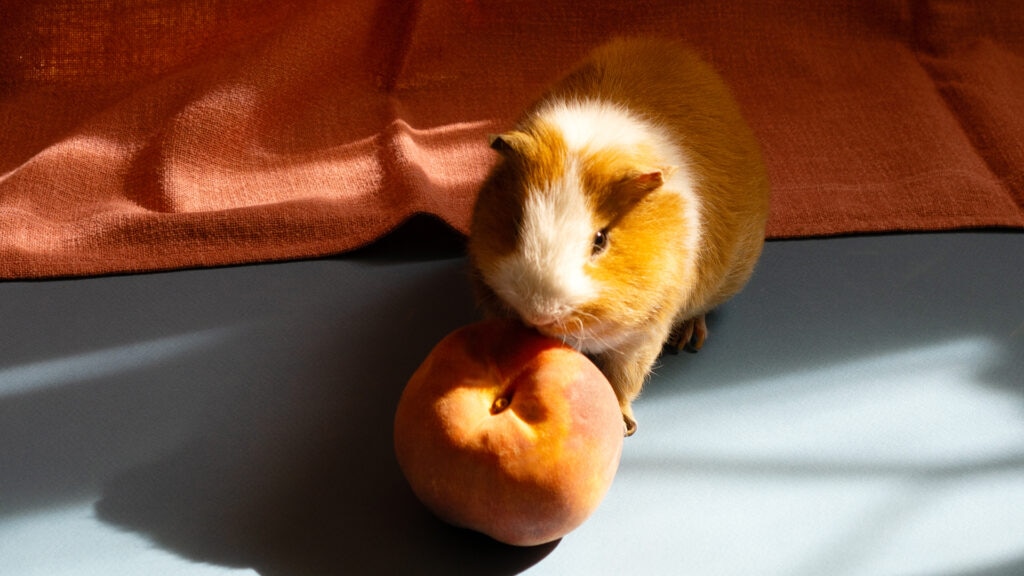
Photo by Kateryna Kutsevol/iStock/Getty Images Plus via Getty Images
Sweet, juicy peaches are hard to resist when they’re in season, and your guinea pig might be just as curious about getting a taste. But can guinea pigs eat peaches?
Yes, but sparingly. While peaches do offer some beneficial nutrients, they’re also high in natural sugar, which can be problematic for guinea pigs.
Here’s what to know about sharing peaches safely, including how much is too much.
Always check with your veterinarian before introducing any new food into your guinea pig’s diet.
Key Takeaways
- Guinea pigs can eat peaches, but a tiny taste is plenty. Peaches are naturally sweet, so save them for an occasional treat.
- Give your piggy the fresh flesh only, and always remove the pit, stem, and leaves before serving.
- Avoid canned peaches, dried peaches, and sugary peach desserts entirely.
Can Guinea Pigs Have Peaches?
Guinea pigs can have a small bite of fresh, ripe peach, including the fuzzy skin, every once in a while. Just remove the pit, stem, and leaves before sharing.
Keep the peach treats straight from the fruit bowl, though. Canned peaches, dried peaches, and peach jam have extra or concentrated or sugar. Peach yogurt is also off-limits.
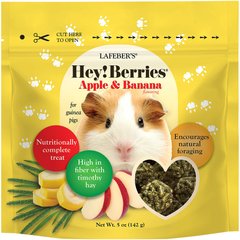
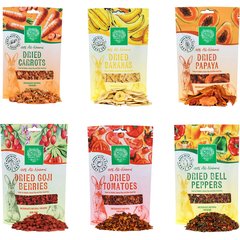
For another occasional treat, you can also try one of these fruit-flavored guinea pig treats:
Recommended Products

Are Peaches Good for Guinea Pigs?
Your guinea pig doesn’t need peaches to stay healthy, but an occasional bite does offer a few benefits beyond the sweet taste, including:
- Some vitamin C: Peaches contain some vitamin C, which guinea pigs need to get from their diet because their bodies can’t make it. Vitamin C deficiency is a common nutritional problem in guinea pigs and can lead to scurvy.
- Extra moisture: Fresh peaches contain plenty of water, so a small piece contributes a little hydration alongside your piggy’s regular drinking water.
- Enrichment: The juicy flesh and fuzzy skin offer a different sensory experience from hay and leafy greens. An occasional bite gives your guinea pig something new to sniff, explore, and nibble, providing mental stimulation and encouraging natural foraging behaviors.
Are Peaches Bad for Guinea Pigs?
Peaches aren’t toxic to guinea pigs, but their sweetness comes with a few downsides.
Here’s where peaches can cause problems:
- Too much sugar: Guinea pigs aren’t built to handle large amounts of sugar. Overdoing fruit can disrupt their gut bacteria, leading to gas, bloating, diarrhea, or GI stasis—a serious condition. Frequent sugary treats can also contribute to unwanted weight gain.
- Peach pits, stems, and leaves: These parts contain compounds that can release cyanide when chewed. The hard pit also poses a choking or intestinal blockage risk, so always remove it.
- Not enough room for nutritious foods: If your guinea pig fills up on peaches, they may eat less of the hay and vegetables they need for fiber, vitamin C, and other essential nutrients.
- Processed peach products: Dried peaches concentrate the fruit’s sugar, while canned peaches, jams, and desserts often contain added sugar or ingredients that don’t belong in a guinea pig’s diet.
How Much Peach Can My Guinea Pig Eat?
Limit peaches to one tiny cube, about ½ inch wide, once every two to four weeks.
If your piggy hasn’t tried peach before, start with an even smaller bite and watch for changes in their appetite or droppings.
How To Safely Feed Peaches to Guinea Pigs
Before sharing a bite of peach with your piggy, take a minute to prepare it properly.
Here’s what to do:
- Choose a fresh, ripe peach. Avoid fruit with mold, bruised spots, or signs of spoilage.
- Wash it well.
- Remove the pit, stem, and leaves.
- Cut a tiny piece, about 1/2-inch wide. You can leave the skin on as long as you’ve washed it well.
- Serve it plain.
- Clean up any uneaten peach within a few hours so it doesn’t go bad.
My Guinea Pig Ate Too Much Peach—What Do I Do?
A peach binge can leave your piggy with an upset stomach, so take away any leftover fruit and skip additional treats.
Call your veterinarian if your guinea pig develops:
- Soft stool or diarrhea
- Gas or a bloated belly
- Reduced appetite
- Fewer or smaller droppings
- Low energy
- Hunching, teeth grinding, or other signs of pain
If your guinea pig stops eating or pooping, seek veterinary care immediately. These changes can signal GI stasis, a potentially life-threatening condition.
If your piggy chewed or swallowed a peach pit, stem, or leaves, contact your veterinarian immediately, even if they seem fine. These parts can contain compounds that release cyanide when chewed. You can also contact the Pet Poison Helpline (855-764-7661) for guidance on possible toxin exposure.
What Other Fruits Can Guinea Pigs Eat?
Peaches aren’t the only fruits your guinea pig can enjoy as an occasional treat. For a change of flavor and texture, you can also offer tiny portions of:
- Apples
- Bananas
- Blueberries
- Cantaloupe
- Grapes
- Kiwi
- Mango
- Papaya
- Pears
- Pineapple
- Raspberries
- Strawberries
- Watermelon
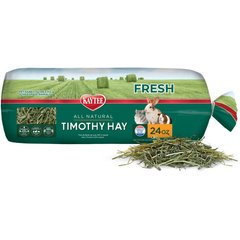
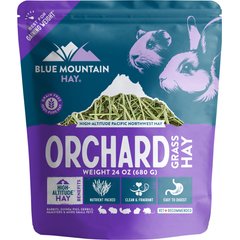
But even these guinea pig-safe choices should be offered sparingly. For everyday nutrition, stick with unlimited hay, fresh vegetables, and guinea pig pellets.
Recommended Products
FAQs About Peaches for Guinea Pigs
Can baby guinea pigs eat peaches?
It’s best to hold off on peaches while your guinea pig is still very young. Growing guinea pigs need a diet focused on age-appropriate hay, pellets, and gradually introduced vegetables. Ask your veterinarian when your baby guinea pig is ready to try fruit.
Can guinea pigs eat peach skin?
Yes! Guinea pigs can eat the fuzzy skin of a peach along with the flesh. Just wash the fruit thoroughly first, and avoid any pieces that are moldy or spoiled.
Can guinea pigs eat canned peaches?
It’s best to skip canned peaches. Many varieties come packed in syrup or juice, adding even more sugar to an already sweet fruit.
Can guinea pigs eat peaches every day?
No. Even a small daily serving adds unnecessary sugar to your guinea pig’s diet. Save peaches for an occasional treat, about once every two to four weeks.
Attributions
This article was created with assistance from AI tools. The content has been reviewed for accuracy and edited by a human.