Can Guinea Pigs Eat Potatoes?


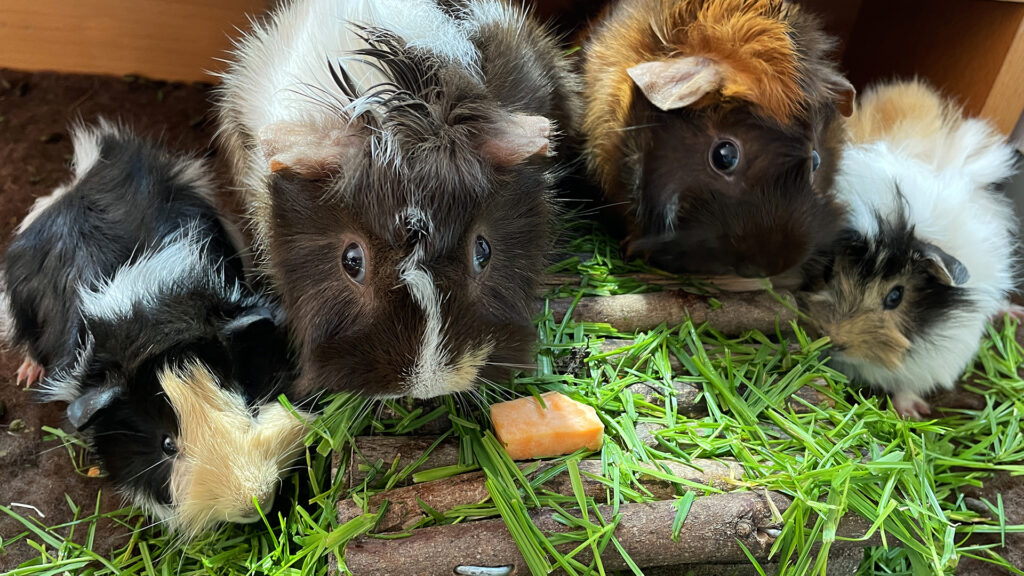
Photo by mtreasure/iStock/Getty Images Plus via Getty Images
Mashed, baked, roasted, or fried—potatoes are a favorite in many households. But can guinea pigs eat potatoes?
No, whether they’re cooked or raw, potatoes are too starchy for your piggy’s digestive system and some parts of the plant contain potentially toxic compounds.
Here’s why it’s best to leave potatoes off your guinea pig’s menu and what to do if they sneak a bite.
If your guinea pig ate green potato, potato sprouts, potato leaves, or a large amount of potato, call your veterinarian or Pet Poison Helpline at 855-764-7661 right away.
Key Takeaways
- Guinea pigs shouldn’t eat potatoes. Whether raw or cooked, their high starch content can bother your guinea pig's sensitive digestive system, causing gas, bloating, or diarrhea.
- Some parts of the potato, like green pieces, sprouts, peel, leaves, and stems can contain potentially toxic compounds.
- Take it seriously if your guinea pig sneaks a bite. Contact your veterinarian or the Pet Poison Helpline, especially if they ate a toxic part of the vegetable.
Can Guinea Pigs Have Potatoes?
No, guinea pigs shouldn’t eat potatoes in any form. That includes raw, boiled, baked, or mashed potatoes, as well as fries, chips, hash browns, and other potato-based foods.
Even plain cooked potatoes aren’t a good choice. Cooking doesn’t remove all potentially harmful compounds, and the starch can upset your guinea pig’s sensitive digestive system.
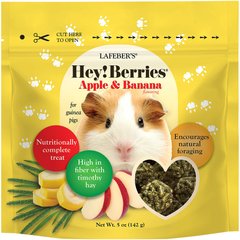
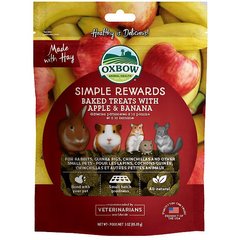
If you’re looking for something safe to offer instead, these guinea pig treats are better suited to your piggy:
Recommended Products

Why Are Potatoes Bad for Guinea Pigs?
Potatoes may be a staple in our diets, but they come with several risks for guinea pigs. Here’s what makes potatoes a poor choice for your piggy:
- Too much starch: Your guinea pig’s digestive system is built to process fiber-rich foods like hay, not large amounts of starch. Too many carbohydrate-rich foods can disrupt the delicate balance of bacteria in their gut, potentially causing gas, bloating, diarrhea, or changes in appetite.
- Toxic plant compounds: Potatoes contain natural toxins called solanine and chaconine. These can build up to dangerous levels in green or sprouted potatoes, as well as the plant’s leaves and stems. Eating too much can cause poisoning.
- Riskier peels: Potato skins can contain higher concentrations of solanine and chaconine than the flesh, making them particularly concerning.
- Unhealthy additions: Fries, chips, and other prepared potato dishes often contain excess salt, fat, dairy, or seasonings that guinea pigs shouldn’t eat.
My Guinea Pig Ate Potato—What Do I Do?
Call your veterinarian if your guinea pig ate potato, even if they seem fine. They can help you determine whether your piggy needs immediate care or if it’s safe to monitor them at home.
If they ate green potato, sprouts, peels, or any part of the potato plant, seek veterinary advice immediately.
If your veterinarian recommends monitoring at home, watch for:
- Diarrhea or unusually soft droppings
- Gas or a swollen belly
- Loss of appetite
- Fewer or smaller droppings
- Unusual tiredness or weakness
- Hunching, teeth grinding, or other signs of pain
If your guinea pig stops eating or pooping, seek emergency veterinary care. These can be signs of GI stasis, a potentially life-threatening condition.
You can also call the Pet Poison Helpline (855-764-7661) if you’re concerned about poisoning.
How Do Vets Help After a Guinea Pig Eats Potato?
Your veterinarian will want to know what kind of potato your guinea pig ate, how much they swallowed, and when it happened. They’ll also ask about any symptoms to help determine the next steps.
Depending on the situation, your vet may recommend:
- Monitoring at home: If the exposure appears low-risk and your guinea pig is acting normally, your vet may advise watching for symptoms.
- An examination: If poisoning or digestive problems are a concern, your vet may check your guinea pig’s hydration, abdomen, and overall condition.
- Supportive treatment: A guinea pig who’s sick may need fluids, pain relief, nutritional support, or other care to help them recover.
Don’t try to make your guinea pig vomit or give them home remedies. Guinea pigs can’t vomit, and attempting to treat a possible poisoning yourself could make things worse.
What Vegetables Can Guinea Pigs Eat?
Potatoes may be off-limits, but there are plenty of vegetables your guinea pig can safely munch on. Some good options include:
- Asparagus
- Bell peppers (all colors)
- Bok choy
- Broccoli
- Carrots
- Celery
- Cucumber
- Green leaf lettuce
- Kale
- Parsley
- Romaine lettuce
- Spinach
- Zucchini
Bell peppers are especially useful because they’re rich in vitamin C, which guinea pigs need to get from their food to prevent a deficiency.
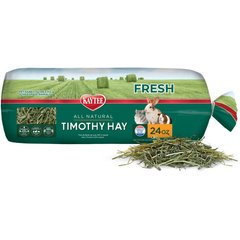
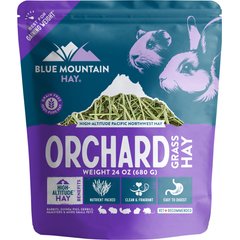
But don’t forget the basics: Unlimited grass hay should make up most of your guinea pig’s diet, alongside measured guinea pig pellets and fresh water.
Recommended Products
FAQs About Potatoes for Guinea Pigs
Can guinea pigs eat raw potatoes?
No. Raw potatoes contain starch that’s difficult for guinea pigs to digest. Green or sprouted potatoes are especially dangerous because they can contain higher levels of natural toxins that can cause digestive problems, weakness, and potentially serious poisoning.
Can guinea pigs eat potato peels?
No. Potato peels can contain more of the potato’s natural toxins than the flesh, particularly if the potato is green, damaged, or sprouting.
Can guinea pigs eat cooked potatoes?
No. Boiling, baking, or mashing potatoes doesn’t make them suitable for guinea pigs. They’re still too starchy, and cooking doesn’t reliably eliminate the potato’s natural toxins.
Can guinea pigs eat sweet potatoes?
It’s best to avoid sweet potatoes too. Although they’re a different plant from regular potatoes, they’re high in starch and aren’t a good substitute for the fiber-rich foods guinea pigs need.
Attributions
This article was created with assistance from AI tools. The content has been reviewed for accuracy and edited by a human.