Why Is My Hamster Not Eating?

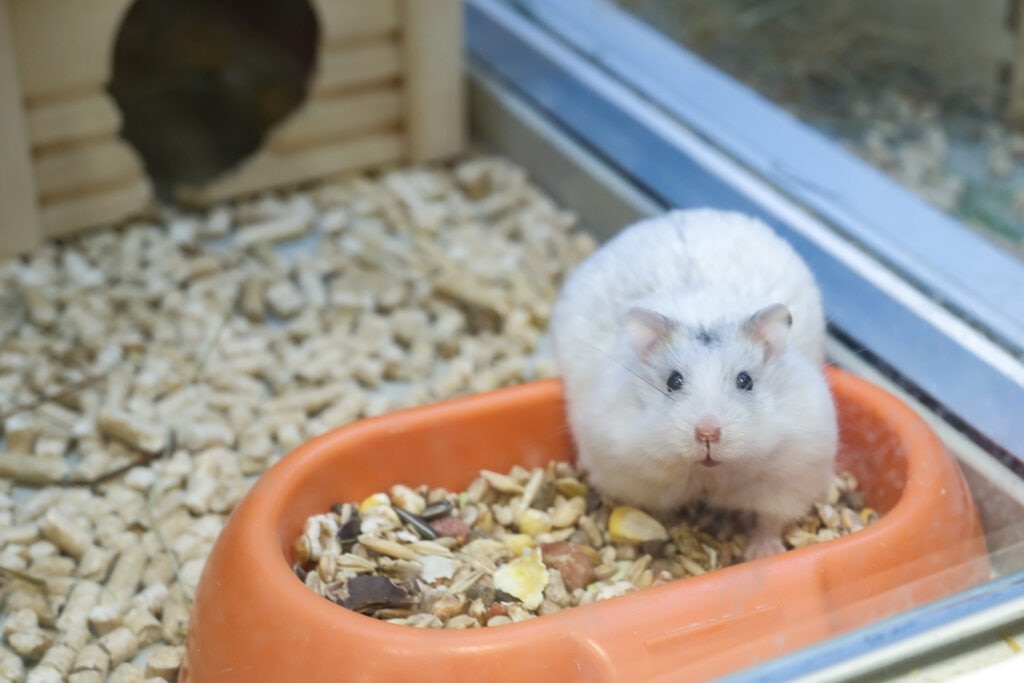
Photo by Natalya Maisheva/iStock/Getty Images Plus
Hamsters are usually enthusiastic eaters, nibbling through their waking hours and stuffing food into their cheek pouches. A sudden loss of interest in food is worth close attention.
Because they are prey animals, hamsters hide illness until they are very sick, so a decreased appetite is often the first and only sign of a problem.
If your hamster stops eating or eats much less than usual, seek veterinary care promptly. Early action is crucial for sick hamsters.
Key Takeaways
- Hamsters have fast metabolisms, so even a few hours without food is concerning, and a continued loss of appetite is an emergency.
- Loss of appetite usually points to dental problems, digestive illness, or stress rather than pickiness.
- Hamsters are sensitive to cold, and a chilly room can push some into a hibernation-like state.
- If your hamster has eaten little or nothing for 12 to 24 hours, call a veterinarian right away.
Why Is My Hamster Not Eating?
A hamster may stop eating for reasons ranging from care issues to serious illness. The most common include:
- Stress from overcrowding, handling, or a noisy environment
- Illness or infection, including respiratory and digestive disease
- Dental disease, especially misaligned or overgrown teeth
- Environmental changes in temperature, light, or humidity, or a new enclosure
- Pain or injury that makes eating uncomfortable
- Diet problems like spoiled food, sudden changes, or an unbalanced, seed-heavy diet
Common Reasons a Hamster Stops Eating
Stress or Environmental Changes
Hamsters have very good smell and hearing, so a nearby cat or dog, loud noises, frequent handling, or a move to a new enclosure can all reduce their appetite.
The type of handling matters too. Rough restraint or scruffing (picking up by the back of the neck) must be avoided. It is stressful and can cause injury.
Cage cleaning can also stress a hamster if too much changes at once, so leave a little used bedding behind to keep familiar scents and ease the transition.
Illness or Infection
Several illnesses can cause a hamster to stop eating, and because these pets decline quickly, appetite loss should never be ignored.
Wet tail is one of the most serious. Most common in young hamsters, it causes severe diarrhea, dehydration, a wet or dirty rear end, a hunched posture, and lethargy (weakness or exhaustion). It can be fatal without prompt treatment. Some antibiotics also cause trouble by disrupting gut bacteria, so only a veterinarian familiar with small mammals should prescribe them.
Respiratory infections are another common cause. Other signs of these include noisy or labored breathing, a rough coat, squinting eyes, nasal discharge, and lethargy.
Any hamster showing signs of illness or refusing food should be checked by a veterinarian as soon as possible.
Dental Problems
A hamster’s front teeth grow continuously, and normal chewing keeps them worn down. If they become overgrown or misaligned, eating turns difficult or painful.
A hamster with dental disease may go to their food but struggle to pick it up or chew. They may also drool, have a wet chin, drop food, or lose weight. Cheek pouch problems cause similar signs when food becomes impacted (stuck) or a pouch turns inside out. Both need veterinary treatment.
Poor Diet or Food Issues
Food and water problems can lower appetite. Hamsters fed seed mixes often pick out their favorite high-fat seeds and leave the rest, so a balanced pelleted diet with some fresh foods helps prevent selective feeding.
Recommended Product

Stale or poorly stored food also loses appeal, so keep it cool and dry and replace it regularly and check the water bottle daily.
Recommended Products


Hamsters are creatures of habit, so a sudden change in food can make them eat less, especially when switching brands or moving from seeds to pellets.
Transition gradually over seven to 10 days.
A healthy hamster should still eat during a transition, so if yours refuses all food, loses weight, or has diarrhea, a veterinarian should examine them.
Hibernation or Torpor (Cold Temperatures)
Pet hamsters shouldn’t hibernate, but some, like Syrians, can enter a hibernation-like state called torpor when they get too cold, usually if room temperature is below about 50 F. A hamster in torpor may feel cool, breathe very slowly, and seem limp, so it can look like they have died.
Check carefully before assuming the worst!
If you suspect torpor, move your hamster to a warm, quiet room and call your veterinarian. Never warm them rapidly with a heating pad or hot water. Keeping the enclosure between 68 and 75 F and away from drafty doors and windows helps prevent it.
What To Do if Your Hamster Isn’t Eating
If your hamster is eating less or refusing food, start with a few simple checks and get veterinary care if they seem sick.
- Check the food and water for freshness, mold, and proper flow.
- Keep the enclosure in a quiet spot away from noise, drafts, and other pets, at 68 to 75 F.
- Look for drooling, overgrown teeth, facial swelling, diarrhea, or labored breathing, which all signal illness.
- Offer a soft mash of pellets and warm water, or a little plain vegetable or fruit baby food (no onion, garlic, added sugar, or xylitol).
- Watch for changes in food intake, activity, or droppings, as these can help your veterinarian find the cause.
If your hamster refuses food entirely or seems ill, don’t wait; seek veterinary care.
When To Call Your Vet
Because hamsters can turn seriously ill fast, never ignore a loss of appetite. Contact your veterinarian right away if your hamster:
- Has eaten little or nothing for 12 to 24 hours
- Has diarrhea or a wet, dirty rear end
- Seems weak, unusually sleepy, or doesn’t wake for normal evening activity
- Has noisy, labored, or open-mouth breathing
- Is drooling, can’t close their mouth, or has something sticking out from it
- Is losing weight or appears dehydrated
When in doubt, call your veterinarian. Early treatment offers the best chance of recovery.
How To Prevent Appetite Loss in Hamsters
Good daily care lowers your hamster’s risk of illness and stress.
- Feed a fortified pelleted food for complete nutrition and less selective feeding.
- Introduce new foods gradually over seven to 10 days.
- Keep the enclosure in a quiet spot at a steady 68 to 75 F.
- Use paper-based bedding rather than cedar or pine shavings, which can irritate the airways.
Recommended Products


- House adult Syrian hamsters alone, since they are solitary animals.
- Check on your hamster daily, watching food, water, droppings, and activity to catch problems early.
FAQs About Why Is My Hamster Not Eating?
How long can a hamster go without eating?
Not long. Their fast metabolisms mean skipping food quickly causes dehydration and worsening illness. If your hamster has eaten little or nothing for 12 to 24 hours, call your veterinarian as soon as possible.
What should I feed a hamster who won’t eat?
Until you can see your veterinarian, offer a soft mash of regular pellets and warm water, or a little plain vegetable or fruit baby food (no onion, garlic, added sugar, or xylitol). Your vet may recommend a commercial recovery diet if assisted feeding is needed.
Is it normal for hamsters to sometimes eat less?
Hamsters are nocturnal and eat mostly in the evening and overnight, so the bowl often looks untouched during the day. But one who consistently eats much less, refuses favorite foods, or stops entirely should see a veterinarian.
Attributions