Can Rabbits Eat Cantaloupe?


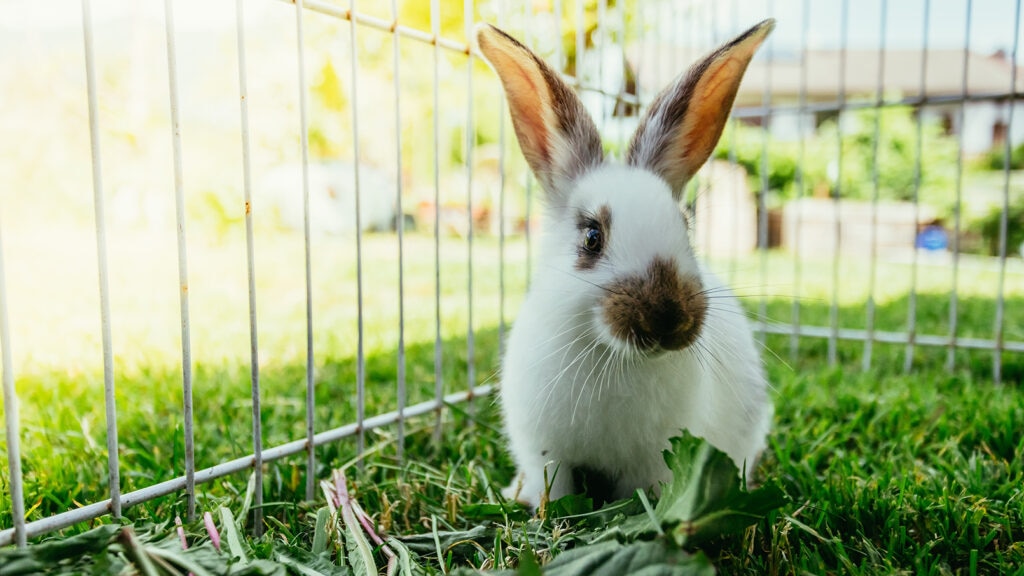
Photo by Patrick Daxenbichler/iStock/Getty Images Plus via Getty Images
Cantaloupe is sweet, juicy, and just the kind of fruit your bunny might happily keep eating if given the chance. But rabbits aren’t built for a lot of sugar. So, can rabbits eat cantaloupe?
Yes, adult rabbits can eat a very small piece of fresh cantaloupe once in a while, but you should consider it a treat, not an everyday staple. And treats, including cantaloupe, shouldn’t replace hay, fresh greens, or measured rabbit pellets.
Here’s how much cantaloupe to share, how to prepare it, and why you don’t want to be too generous with the melon.
If your rabbit has chronic digestive issues, weight concerns, diabetes, or a history of GI stasis, ask your veterinarian before offering cantaloupe.
Key Takeaways
- Adult rabbits can eat fresh cantaloupe, but only in very small amounts once in a while.
- Cantaloupe naturally contains sugar, so too much can cause soft stool, diarrhea, gas, bloating, or reduced appetite.
- Serve only the fresh flesh and remove the rind and seeds before giving cantaloupe to your bunny.
- Skip canned or syrup-packed melon, sweetened dried cantaloupe, smoothies, and desserts, which can pile on even more sugar.
Can Rabbits Have Cantaloupe?
Yes, adult rabbits can have a tiny piece of fresh, plain cantaloupe. The soft, orange flesh is safe to eat, but it’s naturally much sweeter than the hay and leafy greens that should make up most of your rabbit’s diet.
Before sharing a piece, scoop out the seeds and cut away the rind. Then cut the flesh into a small, bite-size piece rather than handing over a whole wedge—your bunny may disagree, but they definitely don’t need that much melon.
Stick with fresh cantaloupe rather than fruit cups, canned melon in syrup, or sweetened dried fruit. These can pack even more sugar into an already-sweet treat.
If you’d rather reach for something specifically made for rabbits instead, here are a few fruit-based rabbit treats you can give them:
Recommended Products
Is Cantaloupe Good for Rabbits?
Cantaloupe has some nutritional perks, but that doesn’t make it a health food for rabbits. Because your bunny should only eat a small piece at a time, they won’t get huge amounts of its vitamins or minerals.
Still, that little bite has a few things going for it:
- Adds some hydration: Cantaloupe is mostly water, so its juicy flesh provides a little extra fluid alongside the fresh water your rabbit drinks.
- Provides beta-carotene: That orange color comes partly from beta-carotene, which the body can convert to vitamin A. Vitamin A supports normal vision, skin, and immune function.
- Contains other nutrients: Cantaloupe provides potassium, folate, and vitamin C, although rabbits can make their own vitamin C and don’t need fruit as a source.
- Works well as a high-value treat: Its natural sweetness can make a tiny piece of cantaloupe especially appealing, which can come in handy when you want to offer an occasional reward.
The important part is keeping those benefits in perspective. Your rabbit gets far more nutritional value from their everyday hay and greens than they will from a cube of melon.
Is Cantaloupe Bad for Rabbits?
Cantaloupe isn’t bad for rabbits in small amounts. The problem is that it’s easy to turn one bite into several, and rabbits just don’t need that much sugar in their diet.
Here’s why portions matter:
- It’s high in natural sugar. Rabbits do best on a high-fiber diet, and too much sugary fruit can contribute to digestive upset. A cantaloupe overload may lead to soft stool, diarrhea, gas, bloating, or appetite changes.
- It can take the place of hay. A rabbit filling up on fruit may eat less hay and, as a result, get less fiber. Without enough fiber, digestion can slow or stop, potentially leading to GI stasis, a serious and potentially life-threatening condition.
- The rind and seeds can be difficult to eat. Neither is needed for your rabbit to enjoy cantaloupe. The rind is tough, and removing the seeds makes the fruit easier to portion and serve.
- Spoiled melon can make your rabbit sick. Cantaloupe that’s slimy, moldy, fermented, or smells off can harbor mold or harmful microorganisms that can make your bunny sick. Toss it rather than trying to salvage a piece for your bunny.
How Much Cantaloupe Can My Rabbit Eat?
As a general rule, adult rabbits can have one small cube of cantaloupe, about one-half inch across, no more than once a month.
If your rabbit has never had cantaloupe before, start with an even smaller amount and see how they handle it. Watch for soft stool, gas, bloating, or changes in appetite before offering it again.
Cantaloupe should always count toward your rabbit’s total treats for the day. If they’ve already had another piece of fruit or a sweet treat, save the melon for another time.
How To Safely Feed Cantaloupe to Your Rabbit
Your rabbit’s cantaloupe should always be fresh and ripe. Here’s how to prep it:
- Wash the outside first. Rinse the cantaloupe before cutting into it so you don’t transfer anything from the rind to the flesh with your knife.
- Scoop out the seeds and cut away the outer rind, leaving just the soft melon flesh.
- Cut off one very small piece. Aim for a cube about one-half inch across rather than a full slice or wedge.
- Serve it plain. There’s no need to add yogurt, honey, or anything else—cantaloupe is already plenty sweet on its own.
- Remove any leftovers. Cantaloupe can spoil quickly once cut, so toss anything your rabbit leaves behind rather than letting it sit in their enclosure.
My Rabbit Ate Too Much Cantaloupe—What Do I Do?
If your rabbit sneaks more cantaloupe than you meant to give them, remove the rest and keep an eye on them for the next several hours. Make sure they’re still eating hay, drinking, acting normally, and producing their usual amount of poop.
Call your veterinarian if you notice:
- Diarrhea or very soft stool
- Bloating
- Decreased appetite
- Fewer or no droppings
- Low energy
- Teeth grinding
- Signs of pain or discomfort
If your rabbit stops eating or pooping, seems uncomfortable, or just isn’t acting like themselves, call your vet right away. These can be signs of GI stasis, which can be life-threatening if it isn’t treated. If your regular vet isn’t available, head to an emergency clinic that treats rabbits.
If you’re concerned the cantaloupe was paired with a potentially harmful ingredient, you can also call the Pet Poison Helpline (855-764-7661).
What Other Fruits Can Rabbits Eat?
Cantaloupe isn’t the only fruit you can share with your bunny. If you want to switch things up, other rabbit-safe options include:
- Apples (without the seeds)
- Bananas
- Blackberries
- Blueberries
- Pears (without the seeds)
- Pineapple
- Raspberries
- Strawberries
- Watermelon
Whichever fruit you choose, a little is plenty. All fruit has quite a bit of natural sugar, so save it for an occasional treat and make sure your rabbit is filling up on grass hay, which should make up most of their diet.
Recommended Products


FAQs About Cantaloupe for Rabbits
Can baby rabbits eat cantaloupe?
Baby rabbits shouldn’t have cantaloupe. Wait until your rabbit is at least 12 weeks old and comfortably eating appropriate fresh greens before introducing fruit. When you do offer cantaloupe, start with a tiny piece—young rabbits have sensitive digestive systems, and sugary foods should be introduced especially carefully.
Can rabbits eat cantaloupe rind?
It’s best to remove the rind before giving cantaloupe to your rabbit. It’s much tougher than the flesh and may also have dirt or other residue on the surface, even after washing.
Can rabbits eat cantaloupe seeds?
It’s best to scoop out the seeds before serving cantaloupe. Your rabbit doesn’t get any real benefit from eating them, and they’re easy enough to remove.
Can rabbits eat dried cantaloupe?
Rabbits can eat dried cantaloupe, but fresh cantaloupe is a better choice. Removing the water concentrates the fruit’s sugar into a much smaller bite, and many dried fruits also have added sugar. If you do offer dried cantaloupe, make sure it’s plain and unsweetened and keep the piece very small.
Attributions
This article was created with assistance from AI tools. The content has been reviewed for accuracy and edited by a human.