Can Rabbits Eat Brussels Sprouts?


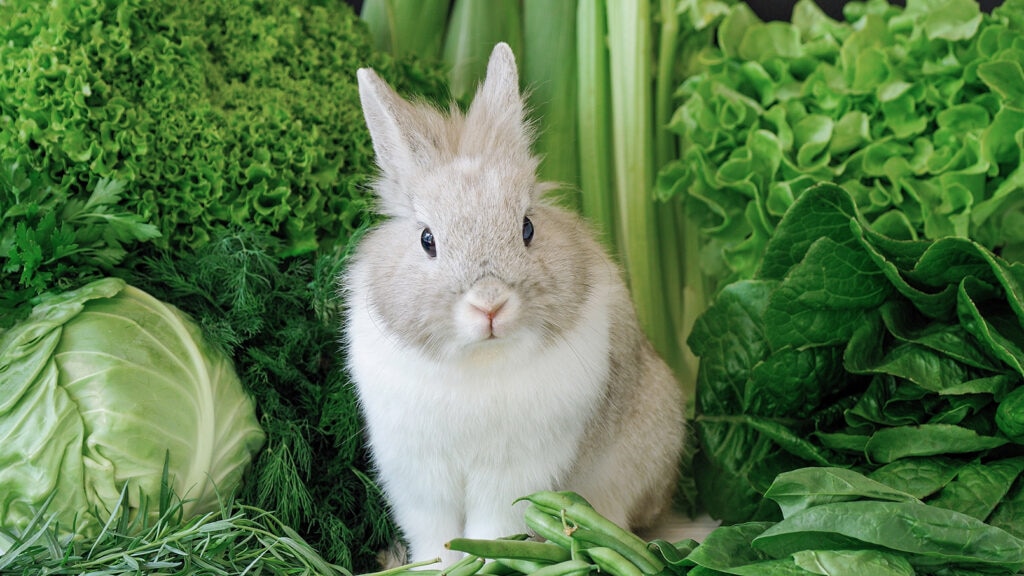
Photo by Olha/iStock/Getty Images Plus via Getty Images
Brussels sprouts may look like perfectly bunny-sized cabbages, but that doesn’t mean your rabbit should polish off a whole one. So, can rabbits eat Brussels sprouts?
Yes, adult rabbits can eat small amounts of fresh, plain Brussels sprouts. Portion size matters, though, since eating too much may lead to gas or digestive upset.
Here’s how much Brussels sprouts to share, which parts your rabbit can eat, and what to watch for afterward.
If your rabbit has gas sensitivity, chronic digestive issues, or a history of GI stasis, ask your veterinarian before offering Brussels sprouts.
Key Takeaways
- Adult rabbits can eat fresh, plain Brussels sprouts, but only in very small amounts.
- The leaves and sprouts are both edible, though leaves or small pieces make portioning easier than handing over a whole sprout.
- Some rabbits may develop gas or bloating after eating Brussels sprouts, so introduce them slowly and watch how your bunny responds.
- Skip roasted, buttered, salted, glazed, bacon-topped, or sauced Brussels sprouts.
Can Rabbits Have Brussels Sprouts?
Yes, adult rabbits can have fresh, plain Brussels sprouts in small amounts.
Brussels sprouts are cruciferous vegetables (along with broccoli, cabbage, and cauliflower) and some rabbits may get gassy after eating them, so starting small makes it easier to see how your rabbit handles them.
The tightly packed leaves and inner part of the sprout are both edible, so there’s no need to peel away every layer before sharing some with your bunny. But stick with raw, plain Brussels sprouts. The versions made for your dinner table—roasted with oil, tossed with bacon, covered in cheese, or finished with a sweet glaze—contain extra ingredients your rabbit shouldn’t eat.
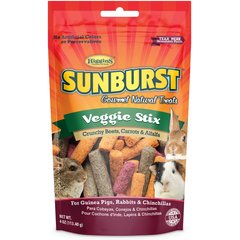
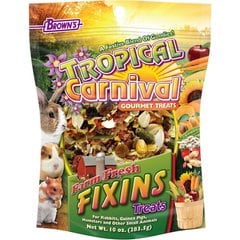
If you’d rather give your rabbit extra veggies in treat form, a few bunny-safe options include:
Recommended Products

Are Brussels Sprouts Good for Rabbits?
Brussels sprouts can be good for rabbits in small amounts. Since the serving is small, they won’t contribute huge amounts of any one nutrient, but they can have some benefits.
Here’s what’s packed into those little leaves:
- Vitamin K: Brussels sprouts contain vitamin K, a nutrient involved in normal blood clotting and bone health.
- Folate: They also provide folate, a B vitamin that helps with cell growth and other normal functions.
- Other plant compounds: Like other cruciferous vegetables, Brussels sprouts contain glucosinolates, naturally occurring plant compounds that have antioxidant effects.
- Fiber: Brussels sprouts contribute fiber, but a small serving can’t compete with hay. Unlimited grass hay should remain your rabbit’s main source of the fiber—it keeps their digestive system moving normally.
Brussels sprouts are also high in vitamin C, but that’s less noteworthy for rabbits than it is for people. Rabbits can make their own vitamin C, so they don’t need to get it from their food.
Are Brussels Sprouts Bad for Rabbits?
Brussels sprouts aren’t inherently bad for rabbits, but you should still take some precautions. Some bunnies handle them without a problem, while others may end up with an unhappy belly.
The biggest concerns are:
- Gas or bloating: Brussels sprouts may make some rabbits gassy, particularly if they eat a lot at once. A bloated belly, reluctance to eat, or signs of discomfort are reasons to call your veterinarian.
- Digestive upset: A large serving—or introducing Brussels sprouts too quickly—may lead to soft stool, diarrhea, or appetite changes. Start small and see how your rabbit responds before offering them again.
- Less room for hay: A rabbit who fills up on vegetables may nibble less hay. That means less fiber moving through the digestive tract. Without enough fiber, digestion can slow or stop, potentially leading to GI stasis, a serious and potentially life-threatening condition.
- Dinner-table extras: Butter, oil, cheese, bacon, sugary glazes, and salt may make Brussels sprouts taste better for humans, but they add fat, sugar, and sodium rabbits shouldn’t eat. Ingredients like garlic and onion are a bigger concern because they can be toxic to rabbits.
- Spoilage: Brown spots on the outer leaves aren’t necessarily a problem, but throw away any sprouts that are slimy, moldy, rotting, or smell off. They can make your rabbit sick.
How Much Brussels Sprout Can My Rabbit Eat?
For most healthy adult rabbits, start with one small outer leaf or a bite-size piece of Brussels sprout. If your bunny handles it well, you can offer a similar amount once or twice per week.
If you notice gas, bloating, soft stool, or appetite changes, leave Brussels sprouts off the menu going forward.
How To Safely Feed Brussels Sprouts to Your Rabbit
When sharing Brussels sprouts with your rabbit, there’s no roasting pan required.
Here’s how to prep them:
- Choose a fresh Brussels sprout that feels firm and has tightly packed leaves. If there are any wilted outer leaves, peel them away.
- Wash it well.
- Trim the tough bottom where the sprout was attached to the stalk.
- Serve a small leaf or bite-size piece raw and plain. Skip oil, butter, salt, seasonings, sauces, or glazes.
- Remove any uneaten pieces before they start to wilt or spoil.
My Rabbit Ate Too Many Brussels Sprouts—What Do I Do?
If your rabbit ate more Brussels sprouts than planned, keep a closer eye on their belly and appetite for the next several hours.
Call your veterinarian if you notice:
- A swollen or bloated belly
- Diarrhea or very soft stool
- Reduced appetite
- Fewer or smaller droppings
- Low energy or unusual behavior
- Teeth grinding, a hunched posture, or other signs of pain
If your rabbit stops eating or producing droppings, don’t wait for things to turn around on their own. These can be signs of GI stasis. If your regular vet isn’t available, contact an emergency clinic that treats rabbits.
If the Brussels sprouts were cooked with potentially harmful ingredients, such as garlic or onion, you can call the Pet Poison Helpline (855-764-7661) for guidance.
What Other Vegetables Can Rabbits Eat?
If Brussels sprouts don’t agree with your bunny—or simply aren’t a hit—there are plenty of other fresh foods to try. Some other rabbit-safe options include:
- Arugula
- Basil
- Bell peppers
- Carrots
- Cilantro
- Green beans
- Kale
- Lettuce
- Radishes
- Zucchini
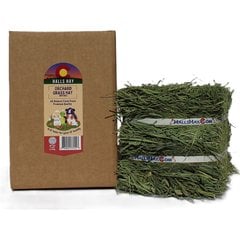
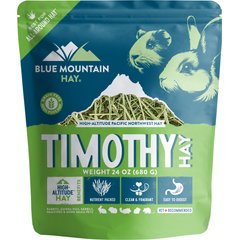
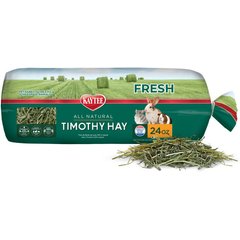
Mix up the greens and veggies you offer throughout the week, but keep unlimited grass hay available at all times. It should still make up most of your rabbit’s diet.
Recommended Products
FAQs About Brussels Sprouts for Rabbits
Can baby rabbits eat Brussels sprouts?
No, baby rabbits should generally wait until they’re at least 12 weeks old to try Brussels sprouts or other fresh vegetables. Young rabbits have sensitive digestive systems, so gassy vegetables can be especially hard on them.
Can rabbits eat raw Brussels sprouts?
Yes, rabbits can eat raw Brussels sprouts in small amounts. Wash them well and offer a small leaf or bite-size piece.
Can rabbits eat cooked Brussels sprouts?
Yes, rabbits can eat cooked Brussels sprouts, as long as they’re plain. Avoid sprouts cooked with butter, oil, salt, garlic, onion, sauces, or other additions.
Can rabbits eat Brussels sprout stalks?
Technically yes, but Brussels sprout stalks are tough and harder to chew. It’s easier to give your rabbit a leaf or small piece of the actual sprout instead.
Attributions
This article was created with assistance from AI tools. The content has been reviewed for accuracy and edited by a human.