Can Rabbits Eat Basil?


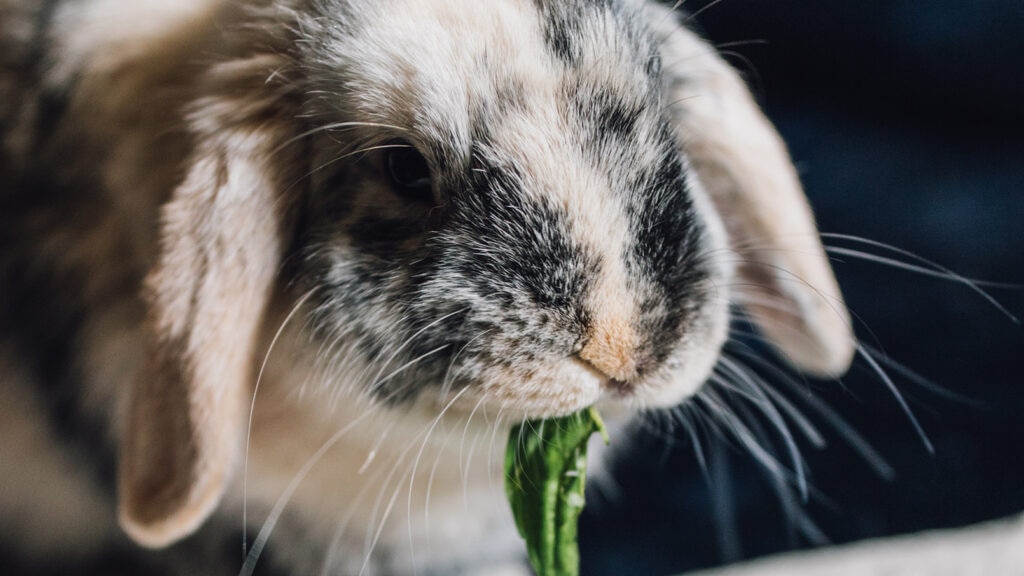
Photo by Wirestock/iStock/Getty Images Plus via Getty Images
The unmistakable smell of basil is hard to resist, even for bunnies. But can rabbits eat basil?
Yes, adult rabbits can eat fresh, plain basil, but it shouldn’t be the only green they have. Rotate other veggies in, and make sure they always have unlimited amounts of rabbit hay, fresh water, and measured rabbit pellets.
Here’s how basil fits into your rabbit’s diet, how much to serve, and which basil-based foods should stay on your own plate.
If your rabbit has chronic digestive issues or a history of GI stasis, ask your veterinarian before offering basil.
Key Takeaways
- Adult rabbits can eat fresh, plain basil regularly as part of a mix of fresh greens.
- Sweet, Thai, and Genovese basil are all OK for rabbits, and both the leaves and tender stems are edible.
- Keep pesto and other prepared basil dishes to yourself—they often contain garlic, cheese, oil, salt, nuts, or other ingredients that aren’t good for rabbits.
Can Rabbits Have Basil?
Yes, adult rabbits can have fresh, plain basil in small amounts. Common varieties—including sweet basil, Genovese basil, Thai basil, lemon basil, and purple basil—are all safe for rabbits to eat. And both the leaves and tender stems are fair game.
It’s best to serve basil fresh and raw, either on its own or mixed with other rabbit-safe greens.
Skip basil-based foods, like pesto, pasta sauce, soups, marinades, and dressings. They’re usually made with garlic, onion, cheese, oil, salt, or other ingredients that can make your rabbit sick.
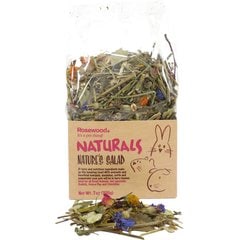
If you’d rather play it safe with a treat specifically made for rabbits, you can try one of these herb-based options:
Recommended Products


Is Basil Good for Rabbits?
Basil can be a healthy addition to your rabbit’s diet. It’s not an essential part of their diet, but a few leaves can add some extra nutrients while giving your bunny a new flavor, scent, and texture to explore.
Here’s what basil brings to the mix:
- Contains beneficial plant compounds: Basil contains naturally occurring aromatic compounds, including eugenol, that contribute to its distinctive scent. Some of these compounds have antioxidant properties, although the small amount of basil a rabbit eats isn’t enough to treat or prevent disease.
- Provides beta-carotene: Basil contains beta-carotene, which a rabbit’s body can convert to vitamin A. Vitamin A helps support healthy vision, skin, and immune function.
- Contributes a little fiber: A few basil leaves add some fiber, but nowhere near what your rabbit gets from hay. Unlimited grass hay should still do most of the work when it comes to keeping their digestive system moving normally.
- Puts their nose to work: Basil has a much stronger aroma than many of the lettuces and leafy greens rabbits eat. Offering different, safe herbs gives your bunny new smells, flavors, and textures to investigate at mealtime.
Is Basil Bad for Rabbits?
Basil itself is generally safe for healthy adult rabbits, so there aren’t many basil-specific risks to worry about. Most problems come down to portion size, introducing a new food too quickly, or sharing basil-based foods that were prepared for people.
Here’s where things can go wrong:
- A big serving can upset their stomach. Rabbits have sensitive digestive systems, and suddenly eating a large amount of basil—or any unfamiliar green—can lead to soft stool, diarrhea, gas, bloating, or a drop in appetite. Start with a small amount if basil is new to your bunny.
- Too much can leave less room for hay. A rabbit who fills up on fresh greens may eat less hay, which means less of the fiber that keeps food moving normally through the digestive tract. Over time, not eating enough hay can increase the risk of serious digestive problems, including GI stasis.
- Prepared foods can have toxic ingredients. Pesto is the obvious one, but basil also turns up in pasta sauces, soups, dressings, marinades, and other prepared foods. These can contain garlic, onion, cheese, oil, salt, or other ingredients that shouldn’t be shared with your rabbit.
- Spoiled herbs can make your rabbit sick. Skip leaves that are slimy, moldy, rotting, or smell off. Spoiled herbs can harbor mold or harmful microorganisms that may make your rabbit sick.
- Pesticide residue is a concern. Unwashed herbs may carry dirt or residue, so rinse basil well before serving.
How Much Basil Can My Rabbit Eat?
For most healthy adult rabbits, one or two sprigs of basil two or three times per week is a reasonable amount. You can mix it with lettuce, cilantro, or other rabbit-safe greens rather than serving a big pile of basil by itself.
If basil is new to your bunny, start with a single leaf or a small piece of one. Keep everything else they eat that day the same, then watch their appetite and droppings for any changes. If all looks normal, you can offer a little more the next time.
How To Safely Feed Basil to Your Rabbit
Basil is about as low prep as bunny snacks get. Before handing over a sprig:
- Pick fresh leaves. Look for basil that’s green and fragrant, without slimy spots, mold, or signs of rot.
- Wash the leaves and stems under cool running water to remove dirt and residue.
- Leave the tender stems attached. There’s no need to pluck off every leaf. Rabbits can eat the soft stems too; just trim away any particularly thick or woody ones.
- Serve it raw and plain. Skip any seasonings or sauces.
- Clear away uneaten basil before it starts to spoil.
My Rabbit Ate Too Much Basil—What Do I Do?
An oversized serving of plain basil isn’t automatically an emergency. If your rabbit polished off more than you intended, put the basil away for now, make sure plenty of hay and fresh water are available, and keep an eye on how they’re doing.
Call your veterinarian if you notice:
- Diarrhea or very soft stool
- Bloating
- Low appetite
- Fewer or no droppings
- Low energy
- Teeth grinding
- Signs of pain or discomfort
If your rabbit stops eating or producing droppings, don’t wait to see if things improve. These can be signs of GI stasis, a potentially life-threatening condition that needs veterinary treatment. If your regular vet isn’t available, contact an emergency clinic that treats rabbits.
If the basil was part of pesto, sauce, or another prepared food containing potentially harmful ingredients, such as garlic or onion, you can also contact the Pet Poison Helpline (855-764-7661) for guidance.
What Other Herbs Can Rabbits Eat?
Basil isn’t the only herb that can add a little extra smell and flavor to your bunny’s greens. Other rabbit-safe herbs and greens include:
- Arugula
- Cilantro
- Dandelion greens
- Dill
- Kale
- Lettuce
- Mint
- Oregano
- Parsley
- Rosemary
- Sage
- Thyme
- Watercress
You don’t need to offer every herb on the list—or serve herbs every day. Try different options alongside your rabbit’s usual greens and see which ones get the most enthusiastic response.
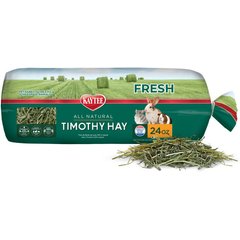
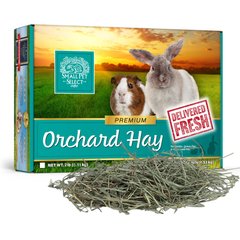
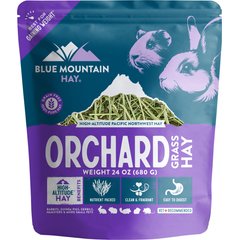
And no matter which fresh foods make the cut, keep unlimited grass hay available at all times.
Recommended Products
FAQs About Basil for Rabbits
Can baby rabbits eat basil?
Baby rabbits should generally wait until they’re at least 12 weeks old to try basil or other fresh greens, as their digestive systems are especially sensitive to dietary changes.
Can rabbits eat basil stems?
Yes, rabbits can eat tender basil stems along with the leaves. Just trim away any thick or woody stems and wash the sprig before serving.
Can rabbits eat dried basil?
Yes, rabbits can have a little plain, dried basil, but fresh is better because it provides more moisture. Avoid seasoning blends with salt, garlic, onion, or other added ingredients.
Can rabbits eat pesto?
No, rabbits shouldn’t eat pesto. It often contains garlic, which can be toxic to rabbits, along with high-fat ingredients and excess salt that can cause digestive problems.
Attributions
This article was created with assistance from AI tools. The content has been reviewed for accuracy and edited by a human.