Rabbit Fleas: Signs, Treatment, and Prevention

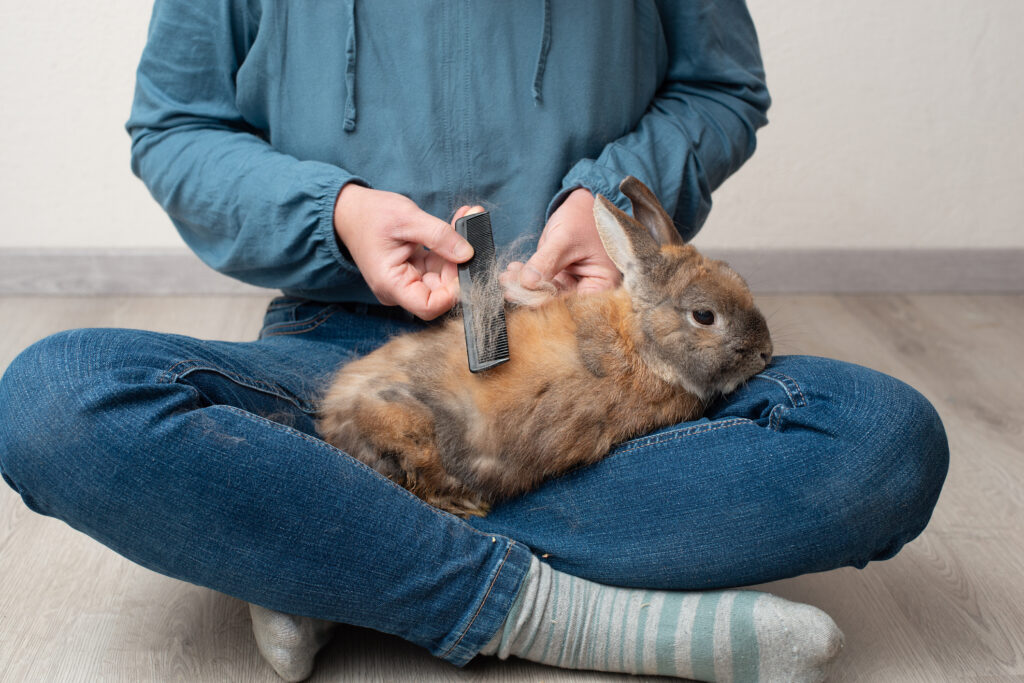
Photo by BeritK/iStock/Getty Images Plus
Rabbit fleas can make your bunny itchy, uncomfortable, and restless. Fleas are more common in cats and dogs, but indoor bunnies can contract them as well if they are exposed.
Rabbits are very sensitive to medication. Some flea products made for cats and dogs can be dangerous, and may even be life threatening, which is why it’s important to talk to your veterinarian about the right treatment to use.
Key Takeaways
- Rabbit fleas can cause itching, skin irritation, and even serious health issues like anemia or disease transmission, especially in young or vulnerable rabbits.
- Treatment should always be guided by a veterinarian, as many flea products for cats and dogs are unsafe and potentially life-threatening for rabbits.
- Preventing fleas involves limiting exposure to infested animals or environments and keeping your home and other pets on proper flea control.
What Are Rabbit Fleas?
Rabbit fleas, or Spilopsyllus cuniculi, are more common in wild rabbits than pet rabbits, unless they are exposed to a wild rabbit that has fleas.
Fleas are small, wingless insects that can jump onto a host (like your rabbit or dog) and bite them to feed off their blood. Fleas move very quickly through the fur, so they can often be hard to spot.
Rabbits don’t only get infested with rabbit fleas; they can also contract cat fleas, dog fleas, eastern rabbit fleas, and the sticktight fleas if they are are exposed. Severe infestations in rabbits, especially young rabbits whose immune system is more fragile, can cause anemia (or low red blood cell count, a similar condition seen in humans).
Flea bites can also spread myxoma virus, which is a highly lethal disease in rabbits. If fleas are swallowed, they can transmit tapeworms.
While it is rare for humans to have flea infestations, they can bite people, often around the ankles and feet.
How Do Rabbits Get Fleas?
Rabbits contract fleas from another pet or from an environment that is infested. A flea can jump up about 8 inches high and jump 13 inches horizontally, on average!
“Very athletic” fleas can jump up to 19–20 inches horizontally, so a rabbit does not need to come into direct contact with a flea. They’re experts at blending into their environment and can be difficult to spot. Fleas lay eggs on the host, but the eggs can fall off, continuing the flea life cycle in the home.
Common ways rabbits can get fleas:
- Contact with another pet that has fleas, like a cat or dog
- Contact with a wild rabbit in the outdoors who has fleas
- Flea eggs, larvae, or pupae that have not been removed from carpet, rugs, or baseboards
- Fleas brought indoors on other pets, people, clothing, or other household items
- Rabbits that are spending time outside in the grass or shaded areas where fleas might be
Indoor rabbits can get fleas as well, because they can be unknowingly brought in on other pets, objects like shoes, people, or clothing.
Once in the home, fleas can lay eggs and reproduce in the carpet, bedding, or flooring.
Symptoms of Rabbit Fleas
Symptoms of rabbit fleas include:
- Patchy fur loss
- Itchiness, scratching, and overgrooming
- Red skin
- Crusts on skin or scabs
- Dry scaly skin
- Restlessness and difficulty getting comfortable
- Flea dirt on skin (looks like small black dots or black pepper) that turns red when placed on a white background
- Pale gums with severe infestations
- Visible fleas moving through fur
How Do Veterinarians Diagnose Rabbit Fleas?
An exotic veterinarian will diagnose a rabbit with fleas through a physical exam, where they can inspect your rabbit’s skin and coat, where they are often able to find live fleas.
A flea comb can also be used to collect fleas or flea dirt.
Recommended Product

In addition, your veterinarian will look at your bunny’s gum color for any paleness that could indicate anemia. They will also look for any scabs, redness, or signs of skin infection. In addition to fleas, they may do a skin scrape or use tape on the fur and then examine the contents under a microscope for mites, lice, or ringworm.
If your rabbit looks pale, seems weak, or is acting lethargic, blood work may be recommended. This helps assess the body by looking at the red blood cell count, white blood cell count, platelets, metabolic kidney and liver values, and electrolytes.
To prepare for your veterinarian appointment, it is important to let them know about any other animals that live in your home, and if the other pets are taking flea preventives.
Talk about your “rabbit’s habits”: tell them if your rabbit goes outside, has been exposed to wild rabbits, any flea products you have applied at home, and any information about their enclosure.
Treatment for Rabbit Fleas
Rabbit flea treatment should always be guided by your veterinarian. Bunnies are very sensitive, and many over-the-counter products are not safe for rabbits.
Currently, there is no FDA-approved flea medicine for rabbits. Selamectin, or Revolution is often used, but the dose must be calculated by your veterinarian, because the label’s approved dosing is for cats and dogs. Overdosing can harm your rabbit.
Products that should not be used on your rabbit:
- Fipronil products (they can have severe reactions, including death)
- Flea collars
- Flea dips
- Flea powders
- Essential oils
- Natural flea sprays
- Flea shampoos
In addition to treating your rabbit and other pets in the home for fleas, it is important to also treat your everyday environment.
Wash all bedding that has encountered pets in hot water. Vacuum all flooring and dispose of its contents outside. If you regularly use insecticidal sprays, remove your pets from the environment while spraying for the time recommended on the bottle.
Recommended Products


How Do I Prevent My Rabbit From Getting Fleas?
Reducing their risk of exposure is the best way to prevent your rabbit from getting fleas. Keep cats and dogs in the home on veterinary-approved flea prevention treatments. Do not let your rabbit encounter wild rabbits and keep your rabbit indoors if possible. If you do let your rabbit outside, keep them in an outdoor play area, far away from any wildlife.
If you bring any new pets into your home, make sure they are quarantined and examined before introducing them to your rabbit. Also talk to your veterinarian about routine flea prevention if your rabbit may be at high risk for flea exposure based on their current setup
FAQs About Rabbit Fleas
How do you get rid of fleas on rabbits?
To get rid of fleas on rabbits, schedule an appointment with your exotic veterinarian for an evaluation to figure out which product and dosing is safest. Make sure to treat the other animals in your home with approved flea medication. Treating your environment is also critical.
Can rabbit fleas bite humans?
Rabbit fleas can bite humans, as well. They will not live on humans or cause a full infestation on people. Always inspect your pets for fleas, if possible.
Are rabbit fleas the same as cat fleas?
Rabbit fleas are a different species from cat fleas. But cat, dog, and rabbit fleas can bite your rabbit and cause infestation. Flea protection is best for your bun!
Attributions