Are Rabbits Good Pets for Families?

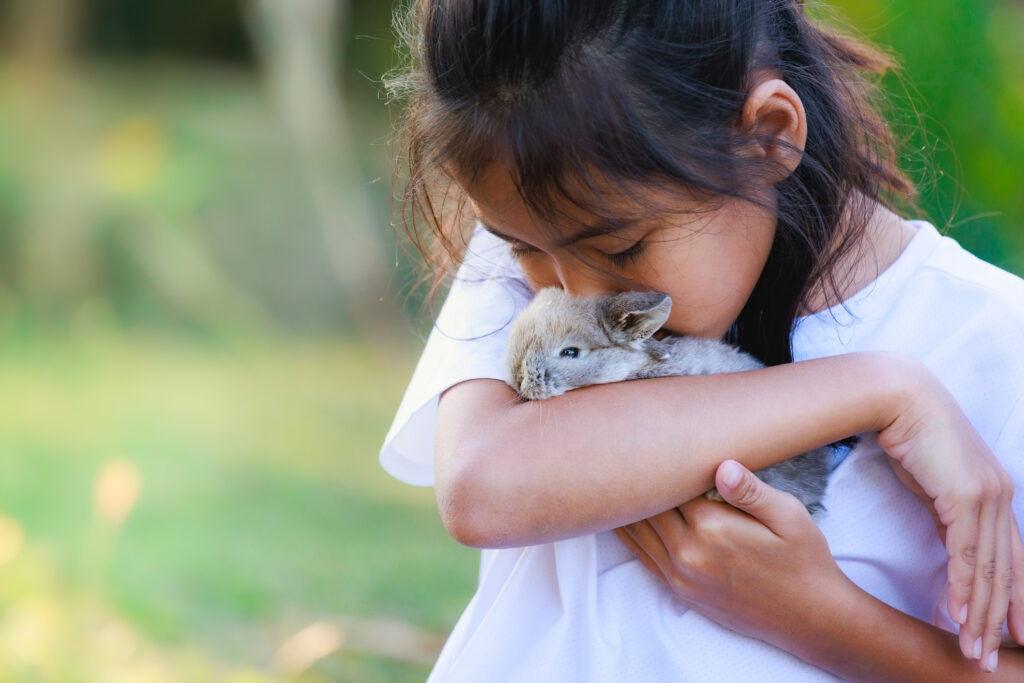
Photo by Sasiistock/iStock/Getty Images Plus
Rabbits are affectionate, social, and fun companions, but are rabbits good pets for families? For the right family, they can be.
Rabbits do well in homes where adults are the primary caregivers and children are taught how to safely and gently interact with them. If everyone in the home is prepared for the long-term commitment and care rabbits require, a pet rabbit can be a wonderful addition to the family.
Rabbits are intelligent, social animals who can bond closely with people, but they are not low-maintenance pets and may not be the best fit for every household. Homes with very young children who want to pick them up, chase them, or cuddle them too tightly are generally not ideal for rabbits.
Key Takeaways
- Rabbits can be affectionate, social pets, but they are delicate animals who require gentle handling and patience.
- Many rabbits do best in calm households with older children who understand how to interact respectfully.
- Rabbits need daily enrichment and exercise, veterinary care, and consistent cleaning routines.
- Families should understand the long-term commitment involved before bringing a rabbit home.
Are Rabbits Good Pets for Families?
Rabbits can be good pets for families when adults supervise interactions, and everyone understands a rabbit’s care, handling, and space needs. They are quiet, curious, and affectionate, but they are also delicate animals who can easily be frightened by loud noises, rough handling, or sudden movements.
Rabbits can be injured easily if they are handled improperly or picked up without adequate support for their legs and back.
Rabbits do very well in homes with families willing to interact with them on their own terms.
Many rabbits prefer calmly interacting with people in their favorite spaces and with their favorite toys rather than being picked up, carried, or held. Because rabbits have fragile skeletons and powerful hind legs, accidental drops or improper handling can result in serious injuries.
Rabbits may be a good fit for families who:
- Have time for daily interaction
- Can provide supervised playtime
- Understand gentle handling
- Are prepared for long-term care
- Can afford exotic-pet veterinary care
Rabbits are not a beginner pet for children to care for alone.
Adults should be primarily responsible for feeding, cleaning, monitoring health, and making veterinary decisions.
What Are Rabbits Like as Pets?
Rabbits have a wide range of personalities, and each rabbit’s temperament can vary greatly from one individual to another. Some rabbits are very outgoing, curious, and social, while others are more cautious, shy, or independent.
Many rabbits are:
- Curious
- Social
- Quiet
- Playful
- Routine-oriented
Rabbits are very intelligent. They can learn to use a litter box, recognize household routines, respond to familiar voices, and even enjoy activities such as fetch.
Recommended Products


Recommended Products



Rabbits are crepuscular, meaning they are most active at dawn and dusk. This can be beneficial for families who want to interact with their rabbit before school or work and again in the evening.
Rabbits do best with a predictable routine, access to hiding places, and the ability to choose when they want to interact.
Recommended Products
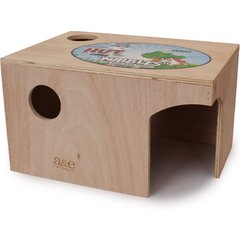
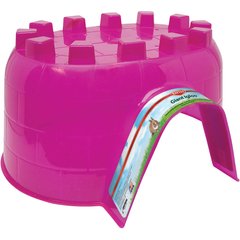
If you’re patient and allow your rabbit to approach you on their own terms, they can make wonderful companions.
Are Rabbits Good Pets for Young Children?
Rabbits are often better suited for families with older children who can handle them gently and respect their boundaries.
Rabbits should never be handled roughly, chased, or picked up improperly. Many rabbits do not enjoy being held, and if a child does not respect those boundaries, it can lead to stress and injury—especially if the rabbit is dropped.
Floor-level interactions are safest for both children and rabbits. It is best to let rabbits approach children on their own terms, offering treats, toys, and gentle petting. Interactions with children under age 12 should always be supervised.
Overly loud or stressful environments are not ideal for rabbits, so take that into consideration when deciding whether your home would be a good fit.
Teach children to:
- Sit on the floor when interacting with a rabbit
- Avoid chasing or grabbing
- Respect hiding spaces
- Watch for signs of stress
- Handle rabbits with love, respect, and gentleness
Pros of Rabbits as Family Pets
Families enjoy rabbits as pets for many reasons. For the right household they can be rewarding and engaging companions.
Benefits of having a rabbit as a family pet:
- Quieter than dogs or birds
- Can form close bonds with people
- Can be trained to use a litter box
- Require less space than many dogs
- Do not need outdoor bathroom walks
- Have individual personalities and behaviors that many families find fun and engaging
Challenges of Having a Rabbit as a Pet
- Delicate bones and spine
- Need for daily enrichment
- Specialized veterinary care
- Chewing behaviors
- Mess from hay and litter
- Long lifespan commitment
Rabbits are not considered low-maintenance pets because they need:
- Daily exercise
- Unlimited access to fresh hay and appropriate fresh foods
- Social interaction
- Regular enclosure cleaning
- Veterinary care from rabbit-savvy veterinarians
What Families Need Before Bringing Home a Rabbit
Proper Housing
Rabbits need a spacious enclosure where they have enough room to lie down, stand on their hind legs, and move about. The space should also be large enough to contain a litter box, hay rack, food bowl, and water bowl.
Rabbits also need daily access to an exercise area outside of their enclosure. In that exercise space it’s important to provide soft, supportive flooring such as fleece blankets, rugs, exercise mats, or other rabbit-safe surfaces. Rabbits have very little protection on the bottoms of their feet, so prolonged time on hard surfaces can cause problems.
Rabbits should be kept indoors in a temperature-controlled environment. They are very sensitive to heat, so their living area should remain cool, clean, and well-ventilated.
- Spacious enclosure
- Exercise area
- Safe flooring
- Temperature considerations
Rabbit-Proofing the Home
Rabbits love to chew, so it’s important to rabbit-proof your home. You can use the following tips to rabbit proof your home:
- Cover or block electrical cords.
- Remove any toxic plants they can access.
- Cover open fireplaces.
- Protect baseboards, furniture legs, and other tempting chew targets.
- Keep cleaning supplies and other potentially dangerous products out of reach.
- Always supervise out-of-enclosure playtime.
Diet and Daily Care
A rabbit’s diet should consist primarily of unlimited grass hay such as timothy, orchard, or meadow hay.
Recommended Products



Hay supports healthy digestion and helps wear down continuously growing teeth.
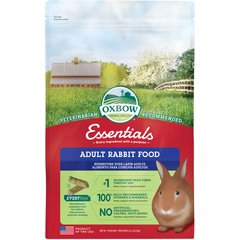
Rabbits can also receive a measured amount of pelleted food each day based on their veterinarian’s recommendations.
Recommended Products

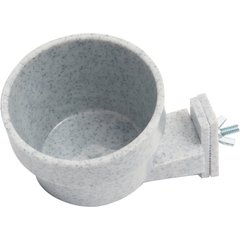
Fresh water should always be available in a bowl or sipper bottle and refreshed daily.
Recommended Products

Fresh leafy greens can be offered daily as part of a balanced diet. Fruits and other sugary treats should be limited and offered only occasionally, as excessive amounts can contribute to digestive upset and diarrhea.
Daily rabbit care includes:
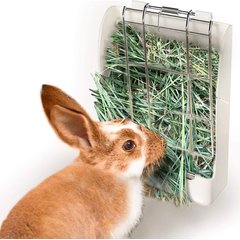
- Refilling hay racks
Recommended Product
- Spot-cleaning soiled litter and removing old food
- Cleaning and refilling water bowls or bottles
- Providing several hours of supervised out-of-enclosure exercise and enrichment each day
- Monitoring behavior, fecal output, and energy levels
Best Rabbit Breeds for Families
There is no single best rabbit breed for every family. Every rabbit has a unique personality, and temperament can vary even within the same breed.
Early-life experiences, handling history, socialization, comfort level, and home environment can all influence how a rabbit behaves.
While personality varies by individual, some breeds such as those listed below are commonly described as social or adaptable in family environments:
- Mini Rex
- Holland Lop
- Lionhead
- Flemish Giant
- English Spot
Larger rabbits, such as Flemish Giants, may be calmer in some homes, but they require more space, more food, and careful handling.
Smaller rabbits often have larger personalities and enjoy running around and exploring their surroundings.
It’s important to choose an individual rabbit whose personality seems like a good fit for your family.
Signs a Rabbit Is Stressed or Uncomfortable
Rabbits are prey animals, so they often hide signs of fear, pain, or illness more effectively than dogs or cats. It’s important to recognize subtle signs of stress and seek veterinary care when needed.
Signs a rabbit may be stressed or uncomfortable include:
- Hiding
- Thumping
- Lunging
- Freezing
- Refusing food
- Flattening their body posture
- Tooth grinding
- Reduced fecal output
- Decreased activity
- Grimacing, partially closed eyes, or ears held back
If a rabbit stops eating, seems lethargic, or behaves unusually, contact a veterinarian promptly. Appetite changes and decreased fecal output can be medical emergencies in rabbits.
FAQs About Rabbits as Family Pets
Are rabbits low-maintenance pets?
No. Rabbits require daily feeding, cleaning, exercise, enrichment, and routine veterinary care.
Are rabbits good pets for beginners?
Rabbits can be good beginner pets for families willing to learn about their specialized care needs.
Do rabbits like being held?
Many rabbits tolerate handling only briefly and prefer interacting with people while on the ground.
How long do pet rabbits live?
Many indoor rabbits live 8–12 years with proper care.
Can rabbits bond with children?
Some rabbits can bond closely with respectful, calm children who interact gently and consistently.
Attributions