7 Most Common Rabbit Health Conditions

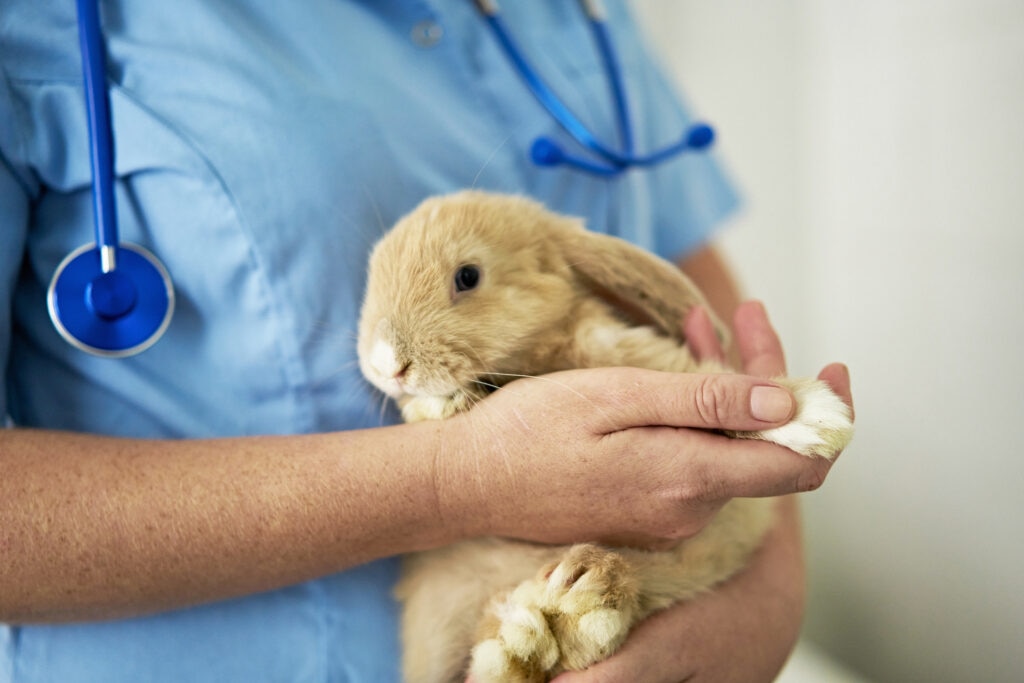
Photo by xavierarnau/E+
Rabbits are prey animals, which means they often try to hide signs of pain or illness. Because of this, it’s important for pet parents to recognize the signs of common rabbit health conditions and know when veterinary care is needed.
Learning to spot early warning signs—such as appetite changes, decreased fecal output, hiding, or low energy levels—can help pet parents seek treatment before a condition becomes more serious.
Key Takeaways
- Rabbits often hide signs of illness until they become very sick.
- Common rabbit health conditions include GI stasis, dental disease, respiratory infections, parasites, and urinary problems.
- Appetite loss, lethargy, abnormal droppings, or breathing changes should never be ignored in rabbits.
- Routine veterinary care, a proper diet, and early intervention can help prevent many rabbit health issues.
What Are the Most Common Rabbit Health Conditions?
Some of the most common rabbit health conditions are gastrointestinal (GI) stasis, dental disease, respiratory infections, urinary tract problems, parasites, heat stress, and obesity.
- GI stasis: A slowing of the digestive tract that results in decreased appetite and reduced fecal production. This condition can become life-threatening.
- Dental disease: Problems such as overgrown teeth, tooth root infection, or sharp points on teeth that injure the cheeks or tongue.
- Respiratory infections: Often caused by bacteria and may result in nasal discharge, breathing changes, and a condition commonly referred to as snuffles.
- Ear mites and parasites: Includes ear mites, fleas, fur mites, and intestinal parasites.
- Bladder sludge and stones: Urinary problems related to excess calcium buildup.
- Heat stress: Dangerous overheating caused by warm temperatures or humid environments.
- Obesity: Excess weight gain that can contribute to arthritis, mobility issues, digestion problems, and foot inflammation.
1. Gastrointestinal (GI) Stasis in Rabbits
Rabbit GI stasis occurs when a rabbit’s digestive system slows down or stops moving normally. Because rabbits rely on constant movement through the digestive tract to stay healthy, GI stasis can quickly become life-threatening.
GI stasis can occur because of pain, stress, dehydration, low-fiber diets, dental disease, or other underlying medical conditions.
Common symptoms include:
- Decreased fecal output
- Decreased appetite
- Lethargy
- Hunched posture
- Teeth grinding
- Bloating
A rabbit who is eating poorly or producing fewer fecal pellets than normal should be seen by a veterinarian right away.
To help reduce the risk of GI stasis, provide unlimited grass hay, fresh water, daily exercise, a low-stress environment, and routine veterinary care.
2. Dental Disease in Rabbits
Dental disease is very common in rabbits. Their teeth continuously grow throughout life and require regular wear to stay healthy.
Overgrown teeth, sharp points, tooth root infections, and other dental abnormalities can cause pain and injury and make it difficult for rabbits to eat properly.
Signs of dental disease in rabbits include:
- Drooling
- Weight loss
- Decreased appetite
- Facial swelling
- Wet fur around the mouth
Hay-based diets help wear teeth down naturally. Providing unlimited grass hay supports both dental and digestive health. If your rabbit develops any of these signs, seek veterinary care promptly.
3. Respiratory Infections (Snuffles)
Rabbit respiratory infections are commonly caused by bacteria and may affect the nose, eyes, lungs, and sinuses.
These infections are often referred to as snuffles because affected rabbits may make snuffling or congested breathing sounds.
Symptoms may include:
- Sneezing
- Nasal discharge
- Eye discharge
- Difficulty breathing
- Wetness on the paws or chin
- Lethargy
- Noisy breathing
Rabbits experiencing labored breathing, open-mouth breathing, severe lethargy, or reduced appetite should see a veterinarian promptly.
Respiratory infections often require veterinary treatment, including supportive care, antibiotics, and sometimes diagnostic testing.
4. Urinary Problems in Rabbits
Rabbits process calcium differently than many other pets and excrete excess calcium through their urine. This can make them more prone to certain urinary tract problems.
Bladder Sludge
Bladder sludge occurs when excess calcium accumulates in the urine, creating thick, gritty, and chalky sediment.
This condition can cause discomfort and painful urination.
Bladder Stones
Bladder stones are firm mineral deposits that form in the bladder or urinary tract. These stones can be painful and may become an emergency if they get stuck in the urethra. This stops urine from leaving the body, causing straining with little to no urine production.
Signs of bladder stones may include:
- Straining to urinate
- Blood in the urine
- Lethargy
- Decreased appetite
- Thick, chalky, gritty urine
A rabbit who is straining to urinate but producing little to no urine should be seen immediately by a veterinarian because this is a medical emergency.
Parasites and Ear Mites in Rabbits
Rabbits can develop parasites such as ear mites, fur mites, fleas, and intestinal parasites.
Skin and ear parasites often cause itching, crusting, and discomfort. Intestinal parasites may cause diarrhea and irritation or itchiness around the rear end.
Symptoms of parasites may include:
- Head shaking
- Scratching
- Hair loss
- Crusty ears
- Skin irritation
- Diarrhea
- Dull or matted coat
- Weight loss
- Perianal itching
Do not use over-the-counter flea, mite, or parasite treatments unless specifically recommended by your veterinarian. Many products that are safe for dogs and cats can be dangerous for rabbits.
Some appropriate treatment options may only be available by prescription through your veterinarian.
Obesity in Rabbits
Obesity in rabbits often develops when they consume too many calorie-dense foods, receive too many pellets or treats, exercise too little, or live in environments that restrict movement.
Excess weight can make grooming difficult, put added stress on the joints, contribute to arthritis, increase the risk of GI stasis, and lead to skin conditions such as urine scald and pododermatitis.
Healthy habits for rabbits include:
- Daily exercise outside the enclosure
- Portion-controlled pellets
- Unlimited grass hay
- Enrichment activities such as tunnels and chew toys
Heat Stress and Heatstroke in Rabbits
Rabbits are highly sensitive to heat and can develop life-threatening heatstroke in warm temperatures or overly humid environments.
Signs of heat stress and heatstroke may include:
- Weakness
- Heavy or rapid breathing
- Drooling
- Collapse
- Lethargy
- Red or warm ears
- Seizures
Heatstroke is a medical emergency.
If your rabbit has been exposed to excessive heat, move them to a cooler area and contact your veterinarian immediately.
Do not place your rabbit directly in ice or ice water, as sudden temperature changes can cause additional stress.
To help prevent overheating, keep rabbits in a temperature-controlled environment, always provide fresh water, use air conditioning during warmer months when needed, and keep enclosures out of direct sunlight.
Recommended Products


Signs Your Rabbit Needs Emergency Veterinary Care
Seek emergency veterinary care if your rabbit:
- Stops eating or eats significantly less than usual
- Produces fewer fecal pellets or no fecal pellets
- Has difficulty breathing
- Cannot urinate or is straining and producing very little urine
- Appears weak or collapsed
- Has diarrhea that has not lessened in 12 hours
- Experiences seizures
- Has a swollen or distended abdomen
A rabbit’s health can decline rapidly, so early veterinary care is critical. Appetite loss, decreased fecal output, breathing changes, and sudden weakness should always be taken seriously.
How To Help Prevent Rabbit Health Problems
While not all health problems can be prevented, good daily care and management can help reduce risk and allow problems to be identified earlier.
Healthy rabbit care includes:
- Annual veterinary exams
- Unlimited grass hay and daily fresh water
- Measured pellet portions
- Safe housing with room to move and daily exercise
- Grooming and routine nail trims
- Stress reduction
- Clean living spaces
- Monitoring appetite, behavior, urination, and fecal output
FAQs About Common Rabbit Health Conditions
What is the most common illness in rabbits?
GI stasis is one of the most common and serious rabbit health emergencies.
How can I tell if my rabbit is sick?
Common signs include reduced appetite, lethargy, hiding, abnormal droppings, sneezing, or changes in behavior.
Do rabbits need regular veterinary care?
Yes. Rabbits benefit from routine veterinary exams and preventive care.
Why is my rabbit not eating?
A rabbit who stops eating may have GI stasis, dental disease, pain, or another serious medical condition and should be evaluated promptly by a veterinarian.
Are rabbits fragile pets?
Rabbits are physically delicate animals who require careful handling and attentive health monitoring.
Attributions