Sort
Filter
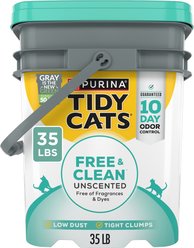


$18.99 Chewy Price
($0.55/lb) Price per Unit
$21.19 List Price
Autoship Price
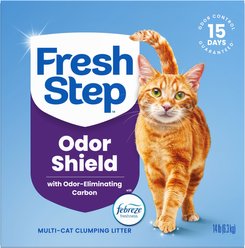
$10.49 Chewy Price
($0.75/lb) Price per Unit
$11.69 List Price
Autoship Price
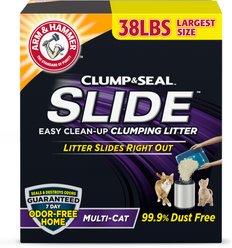

$26.79 Chewy Price
($0.71/lb) Price per Unit
$32.99 List Price
Autoship Price
$22.78 Chewy Price
$23.98 List Price
Autoship Price
$19.99 Chewy Price
($0.50/lb) Price per Unit
Autoship Price
$17.99 Chewy Price
($0.45/lb) Price per Unit
Autoship Price
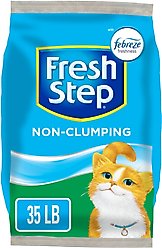
$19.99 Chewy Price
($0.58/lb) Price per Unit
Autoship Price
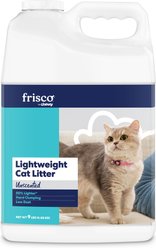
$8.99 Chewy Price
($1.00/lb) Price per Unit
Autoship Price
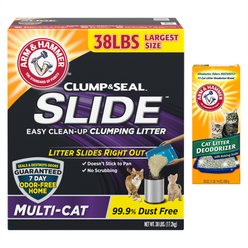
Bundle and Save 10%
$29.50 Chewy Price
$32.78 List Price
Autoship Price
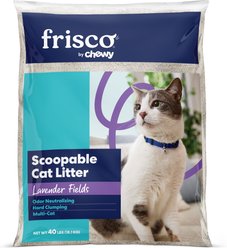
$17.99 Chewy Price
($0.45/lb) Price per Unit
Autoship Price
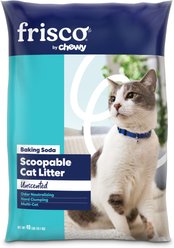
$19.99 Chewy Price
($0.50/lb) Price per Unit
Autoship Price
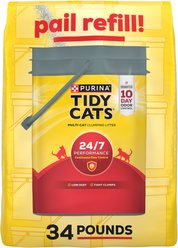
$17.68 Chewy Price
($0.52/lb) Price per Unit
Autoship Price
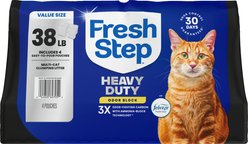
$29.97 Chewy Price
($0.79/lb) Price per Unit
Autoship Price
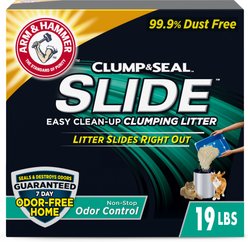
$13.59 Chewy Price
($0.72/lb) Price per Unit
$18.49 List Price
Autoship Price
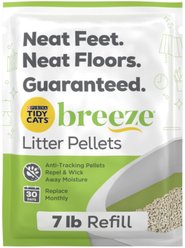
$18.17 Chewy Price
($2.60/lb) Price per Unit
$19.29 List Price
Autoship Price
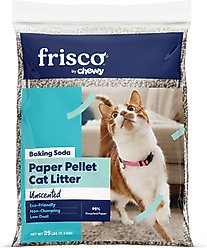
$18.99 Chewy Price
($0.76/lb) Price per Unit
Autoship Price
$26.99 Chewy Price
($3.38/lb) Price per Unit
$27.49 List Price
Autoship Price
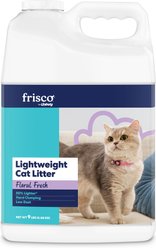
$8.99 Chewy Price
($1.00/lb) Price per Unit
Autoship Price
$26.99 Chewy Price
($1.35/lb) Price per Unit
Autoship Price
$42.99 Chewy Price
($1.08/lb) Price per Unit
Autoship Price
Bundle and Save 5%
$28.41 Chewy Price
$29.91 List Price
Autoship Price
$29.94 Chewy Price
($1.77/lb) Price per Unit
$33.38 List Price
Autoship Price
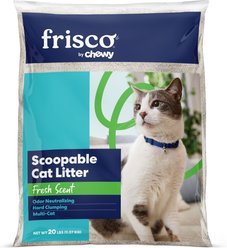
$9.99 Chewy Price
($0.50/lb) Price per Unit
Autoship Price
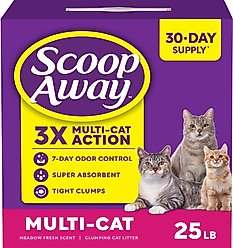
$11.99 Chewy Price
($0.48/lb) Price per Unit
$14.79 List Price
Autoship Price
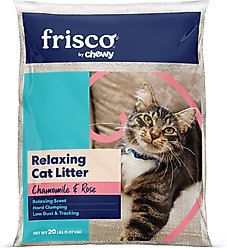
$10.99 Chewy Price
($0.55/lb) Price per Unit
Autoship Price
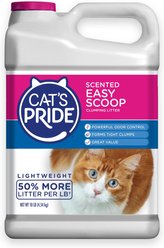
$12.01 Chewy Price
($1.21/lb) Price per Unit
$12.99 List Price
Autoship Price
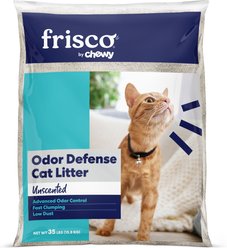
$17.49 Chewy Price
($0.50/lb) Price per Unit
Autoship Price
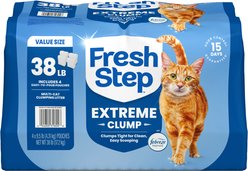
New
$25.99 Chewy Price
($0.69/lb) Price per Unit
Autoship Price
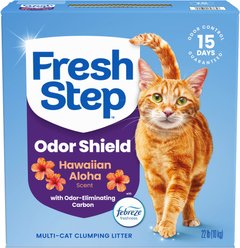
New
$15.99 Chewy Price
($0.73/lb) Price per Unit
Autoship Price
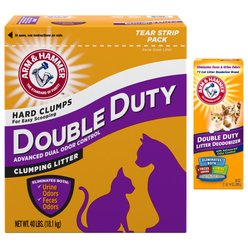
Bundle and Save 4%
$23.55 Chewy Price
$24.53 List Price
Autoship Price
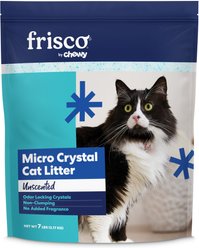
$16.49 Chewy Price
($2.36/lb) Price per Unit
Autoship Price
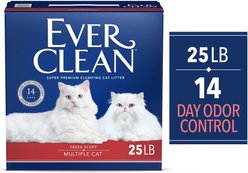
$23.99 Chewy Price
($0.96/lb) Price per Unit
$26.89 List Price
Autoship Price
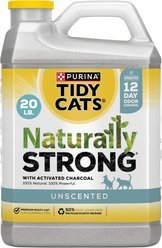
$32.59 Chewy Price
($0.82/lb) Price per Unit
$32.78 List Price
Autoship Price
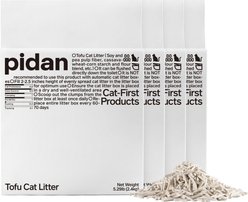
$50.29 Chewy Price
($2.38/lb) Price per Unit
$50.49 List Price
Autoship Price
$15.51 Chewy Price
($0.63/lb) Price per Unit
Autoship Price
$16.98 Chewy Price
Autoship Price
Kitty Litter
Encourage good bathroom habits by choosing a safe and inviting kitten litter for your furry friend. Experts usually recommend choosing a non-clumping kitty litter for kittens, since young kittens may eat the litter, and clumping litter can create dangerous blockages when eaten. Unscented, low-dust litters usually make the best litter box fillers for kittens. You can find kitten-safe litters made from a variety of naturally absorbent, odor-controlling materials. Good litter choices for kittens include:
-
Paper pellet litter: Soft on paws and highly absorbent, paper cat litter is often recommended by vets, especially for younger kittens.
-
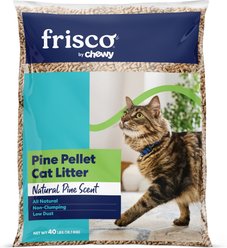
Pine or wood cat litter: Natural wood or pine litter pellets or granules can be a very good choice for kittens.
-
Corn cat litter: Kitty litter made from corn is soft and controls odors well, plus it’s safe if kittens eat it.
-
Tofu cat litter: Another natural litter choice that’s absorbent and generally safe for kittens to eat.
-
** Non-clumping clay or crystal litter:** Highly absorbent and favored by many, although there is some concern about kittens ingesting the granules and dust.
Whichever type you choose, be careful to get the non-clumping kind, since many litters, including pine, corn, and tofu, come in both clumping and non-clumping versions. If you’re having trouble picking, ask your veterinarian for expert advice. Then be sure to set your preferred kitten litter order to Autoship so you never run out!
Frequently Asked Questions about Kitty Litter
What makes kitten litter different from regular kitty litter?
Kitten litter isn’t necessarily different from regular kitty litter. It’s usually just regular, non-clumping kitty litter that is also considered a safe choice for kittens. You won’t ordinarily find cat litter labeled specifically for kittens, although some types do contain kitten attractants that help encourage litter box use during potty training.
Can kittens use clumping kitty litter?
Older kittens can safely use clumping kitty litter, but experts generally recommend choosing a non-clumping litter for kittens. Kittens will sometimes eat kitty litter, and the clumping type can create obstructions. Ask your vet for expert kitten litter recommendations and advice on when it’s safe to switch to clumping.
How often should I change kitten litter?
You should change the kitten litter roughly once a week, or possibly more frequently if you have multiple kittens using the same box. Because kitten litter doesn’t usually clump and trap liquids, replace the litter more frequently to get rid of moisture and unpleasant odors. Kittens can be very sensitive to odors, so scoop solids out of the box daily and completely change out the litter as soon as it starts to smell.
Is scented kitty litter safe for kittens?
Some scented kitty litter may be safe for kittens, but experts usually recommend using unscented litter instead. Dusty or scented kitty litter can cause respiratory irritation in kittens, and they may avoid the box if the litter has a strong smell.
Save 5% on repeat deliveries
Product Type
Product Category
Brand
7 Brands are shown below