Sort
Filter


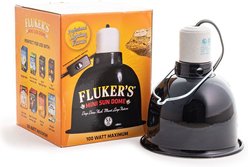
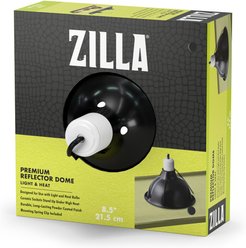
$18.60 Chewy Price
$26.99 List Price

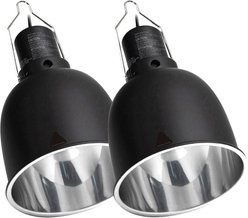
$26.67 Chewy Price
($13.34/ea) Price per Unit
$29.99 List Price
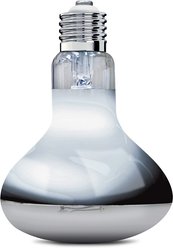

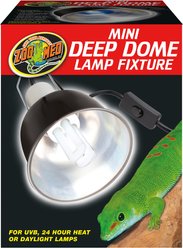
$19.95 Chewy Price
$25.99 List Price
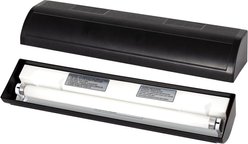
$64.88 Chewy Price
$69.99 List Price

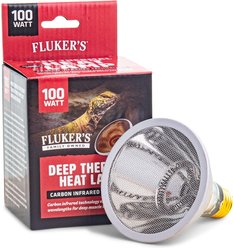
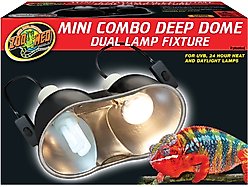
$95.01 Chewy Price
$106.99 List Price



$19.99 Chewy Price
$24.01 List Price

$39.99 Chewy Price
$106.99 List Price
Snake Lighting
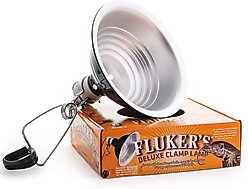
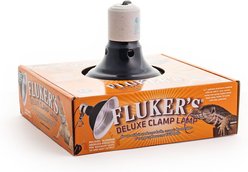
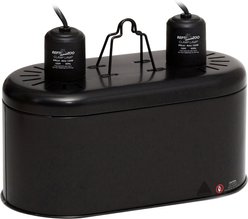
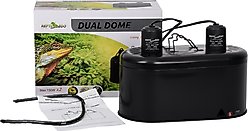
Snake lighting refers to the specialized lights used in a snake's enclosure to mimic natural day and night cycles- and sometimes to provide heat or UVB, depending on the species. While many snakes don't need UVB like lizards do, having a regular light cycle helps regulate their natural rhythms, behavior, and digestion. Some lighting setups also double as a heat source, which is crucial for maintaining the proper temperature gradient. In short, good lighting keeps your snake's internal clock ticking and their environment cozy and natural. Here are a few snake lighting options to consider:
- Daylight bulbs: Regular bulbs that mimic natural sunlight
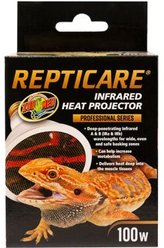
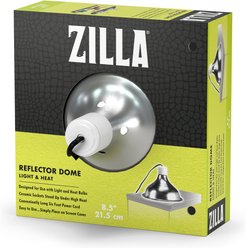
- Heat lamps: Gives off heat and light
- UVB bulbs: Gives off ultraviolet light that can help with calcium absorption and vitamin D
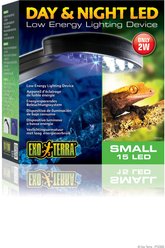
- LED lights: Energy-efficient lighting for visibility
Choosing the right snake lighting depends on your snake's species, daily habits, and whether you need to provide heat, UVB, or a natural light cycle. For most snakes, a simple daylight bulb to mimic day and night is enough. If your snake needs extra warmth, pair it with a heat lamp or ceramic heat emitter. Tropical or diurnal snakes might benefit from low-level UVB lighting, while desert or nocturnal species may prefer minimal light and more heat. Think of lighting as part of your snake's overall environment- get it right, and you're helping them feel at home, healthy, and stress-free.
Frequently Asked Questions about Snake Lighting
What type of lighting is best for pet snakes?
The best snake lighting depends on their natural habitat and needs. For most snakes, a simple daylight bulb that mimics a natural day-night cycle works well. If your snake requires extra warmth, heat lamps (incandescent or ceramic) provide a basking spot without disrupting their nighttime routine. Snakes from tropical or diurnal environments might also benefit from a UVB bulb to support overall health, though not all species need UVB. Ultimately, the key is creating a balanced environment with the right light, warmth, and natural rhythms to keep your snake happy and healthy.
Do snakes need UVB lighting?
UVB snake lighting is not necessary for all species. Snakes that are diurnal (active during the day) or come from sun-soaked habitats, like certain rat snakes or garter snakes, can benefit from UVB to help with vitamin D3 synthesis and calcium absorption. However, many nocturnal or low-light species, like ball pythons or boas, don't require UVB and can thrive without it. If you're unsure, it's always best to research your snake's specific needs and consult your vet before setting up lighting.
How long should snake lights be on?
Snake lighting should be on for about 10–12 hours a day to mimic natural daylight, with a regular day-night cycle. This helps regulate your snake's internal clock, keeping them healthy and stress-free. You can use a timer to make sure the lights go on and off at the same time each day- just like the sun would. If your snake is nocturnal, you can reduce the lighting time, but keep in mind they still need some light exposure to maintain a healthy rhythm!
Lighting Type
Product Type
Light Source
Deals & Savings
Brand
7 Brands are shown below