Best Dog Food For Rottweilers

Our Top Picks
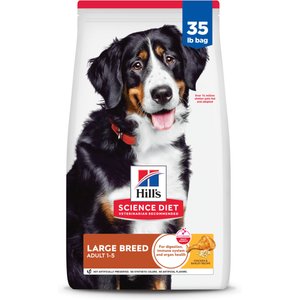



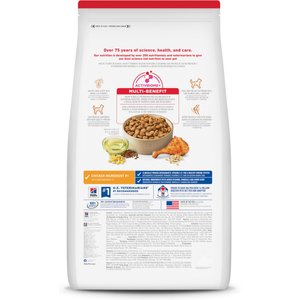


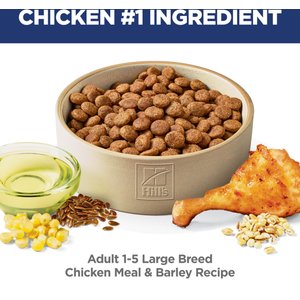
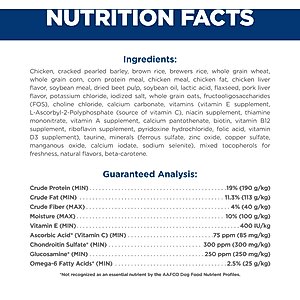
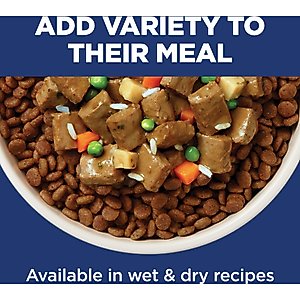

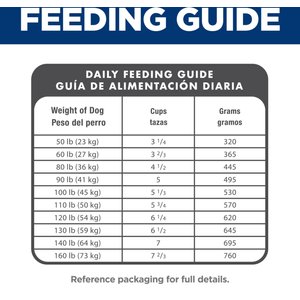
Hill's Science Diet Adult Large Breed Chicken & Barley Dry Dog Food, 35-lb bag


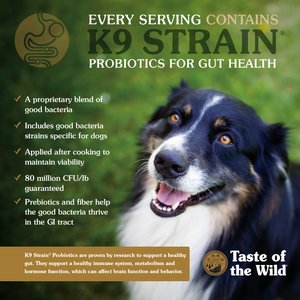

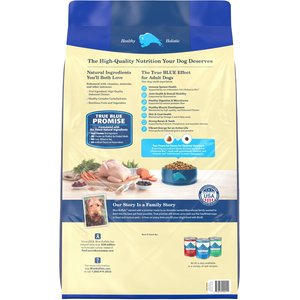

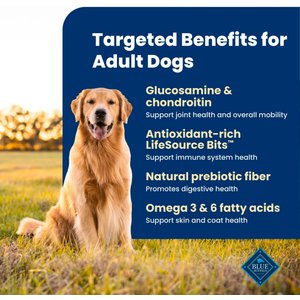



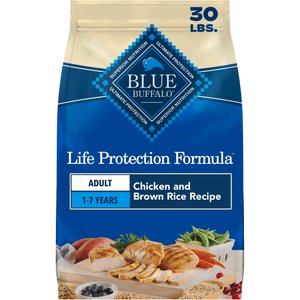
Blue Buffalo Life Protection Formula Adult Chicken & Brown Rice Recipe Dry Dog Food, 30-lb bag
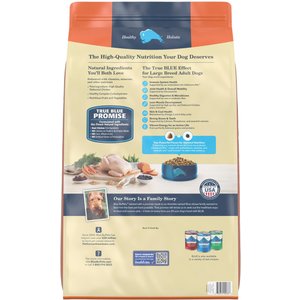




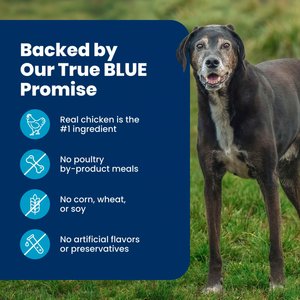
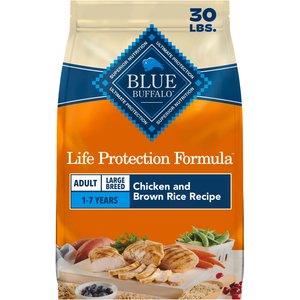
Blue Buffalo Life Protection Formula Large Breed Adult Chicken & Brown Rice Recipe Dry Dog Food, 30-lb bag



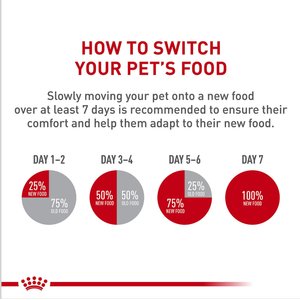
Royal Canin Breed Health Nutrition Rottweiler Adult Dry Dog Food, 30-lb bag


Royal Canin Breed Health Nutrition Rottweiler Puppy Dry Dog Food, 30-lb bag



Purina Pro Plan Adult Large Breed High Protein Chicken & Rice Dry Dog Food, 34-lb bag
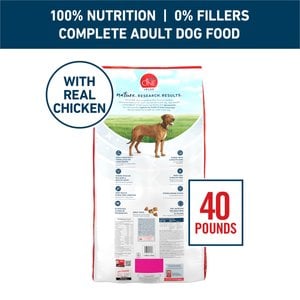



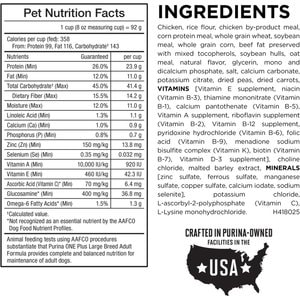

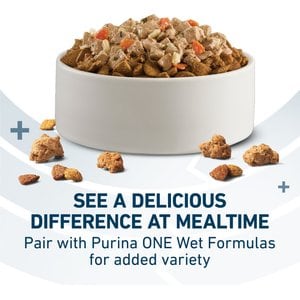
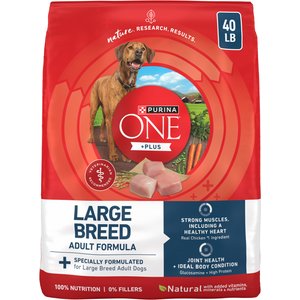
Purina ONE +Plus Natural Large Breed Adult Real Chicken Muscle & Joint Support Large Dry Dog Food, 40-lb bag

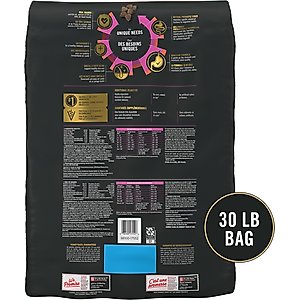


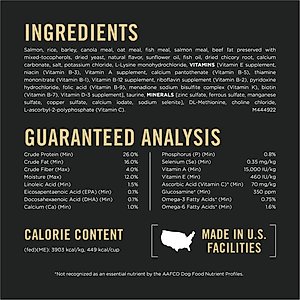


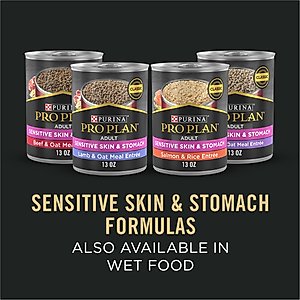
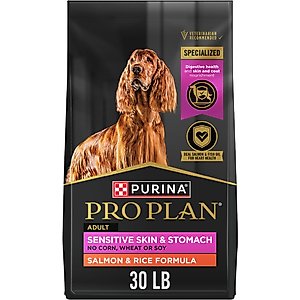
Purina Pro Plan Adult Sensitive Skin & Stomach Salmon & Rice Formula Dry Dog Food, 30-lb bag
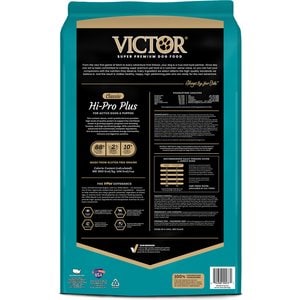
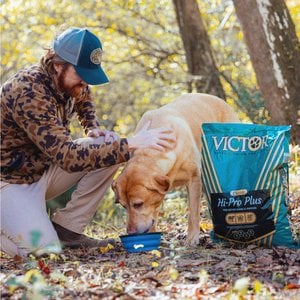
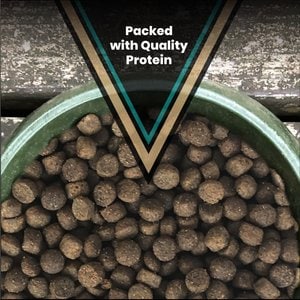


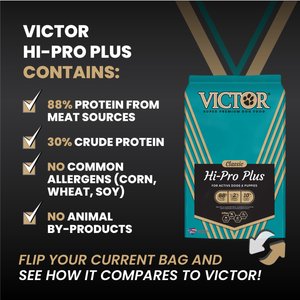


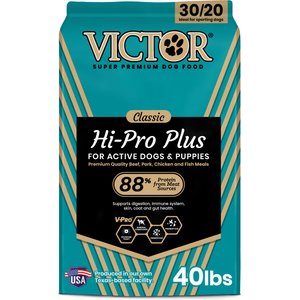
VICTOR Hi-Pro Plus 30/20 Active Sporting High Protein Gluten-Free Dry Dog Food, 40-lb bag
Diet and Nutrition for Rottweilers
Rottweilers are known for their hearty appetite and typically do well on high-quality, commercial dry dog food designed for their specific life stage (puppy, adult or senior). To ensure your dog's food is top-notch, check for the statement on the package that says it meets the standards of the Association of American Feed Control Officials (AAFCO). While there is no breed-specific standard feeding chart, your veterinarian can help you determine an appropriate feeding schedule and the best amount of food to meet your dog's unique nutrition needs. Some pet parents feel a raw diet is beneficial for their Rottie. In this case, you can get a commercial variety or make it yourself, as long as you  speak with your veterinarian to discuss safety precautions (to prevent cross-contamination, for example) and consult a veterinary nutritionist to formulate a complete and balanced diet. Rottweilers love all kinds of food, and will often inhale meals with a gusto that will make you think they're still hungry. But don't fall for this and offer a second breakfast. Instead, slow their roll by using a slow feeder dog bowl or a food dispensing toy that engages their brain in an activity while they eat. (Mealtime pulls double duty!) Finding ways to slow their eating can also help prevent stomach bloat, a serious and potentially life-threatening condition that deep-chested breeds like Rottweilers are prone to experiencing.