Best Dog Grooming Tools
Our Top Picks





Casfuy Small Low Noise 2 in 1 Trimming Paw Face Narrow Dog hair Clippers, White
$23.99 Chewy Price
Promo, Save 10% at Checkout
Our ratings
Comfort
4.5/5
GreatDurability
4.5/5
GreatEffectiveness
4.5/5
GreatVersatility
4.5/5
Great

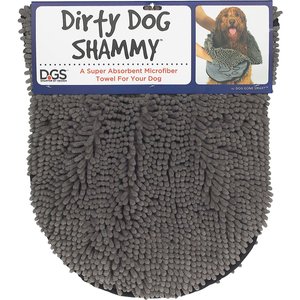
Dog Gone Smart Dirty Dog Super Absorbent Fast-Drying Microfiber Shammy Towel, Grey, 31 x 13-in
$19.97 Chewy Price
Promo, Save 30% at Checkout
Our ratings
Comfort
4.8/5
ExcellentDurability
4.7/5
ExcellentEffectiveness
4.8/5
ExcellentVersatility
4.7/5
Excellent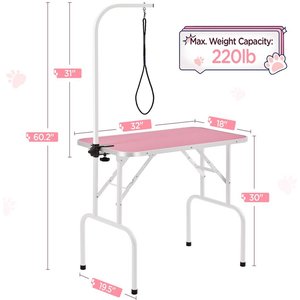
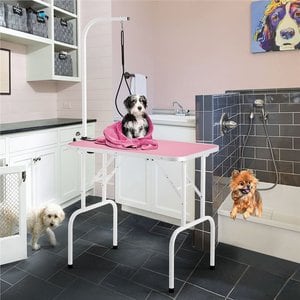
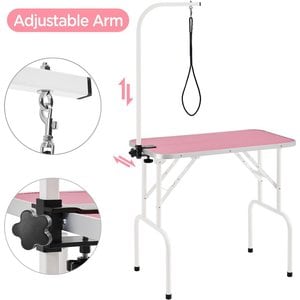
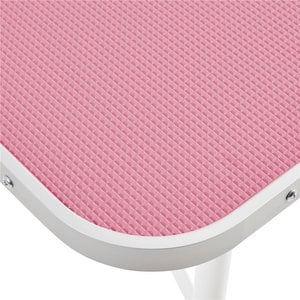
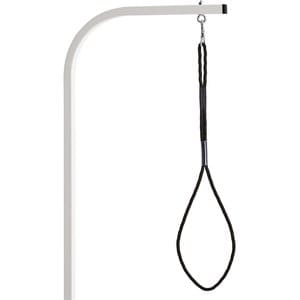
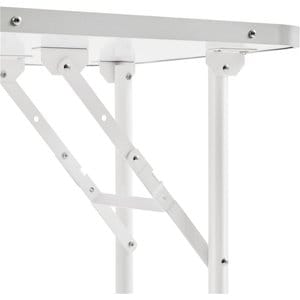
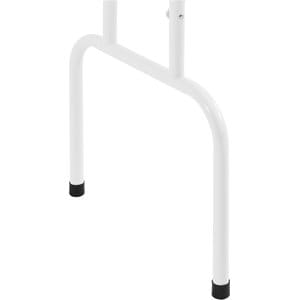
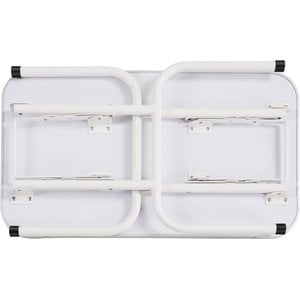
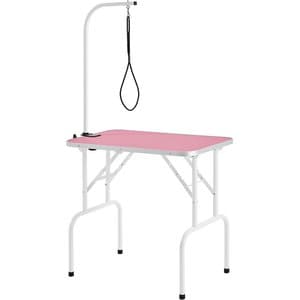
Yaheetech Stainless Steel Dog & Cat Grooming Table, Pink, 32-in
$84.06 Chewy Price
Promo, New Customers Only: Spend $49+, get $25 eGift Card
Our ratings
Comfort
4.8/5
ExcellentDurability
4.8/5
ExcellentEffectiveness
4.7/5
ExcellentVersatility
4.8/5
Excellent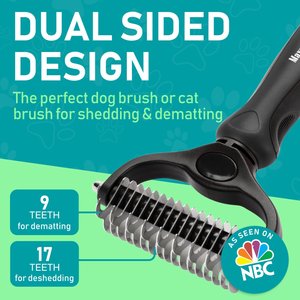
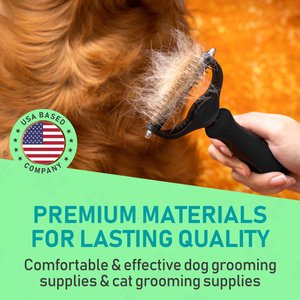
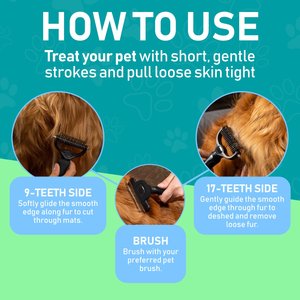

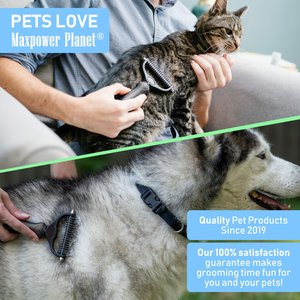
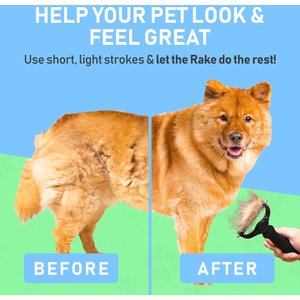
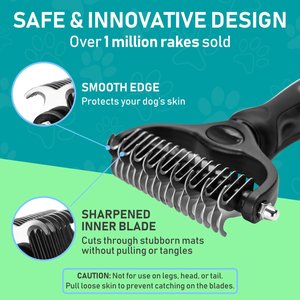
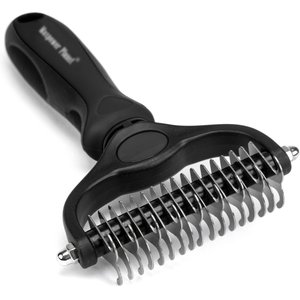
Max Power Planet Dual Sided Undercoat Rake Dog & Cat Deshedding Tool, Black
$11.89 Chewy Price
Promo, New Customers Only: Spend $49+, get $25 eGift Card
Our ratings
Comfort
4.4/5
GreatDurability
4.4/5
GreatEffectiveness
4.5/5
GreatVersatility
4.4/5
Great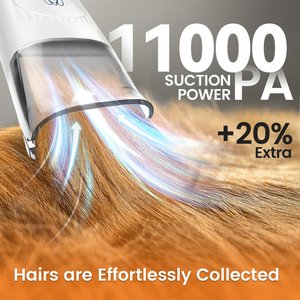
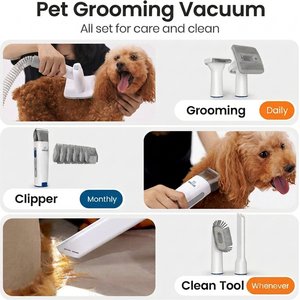
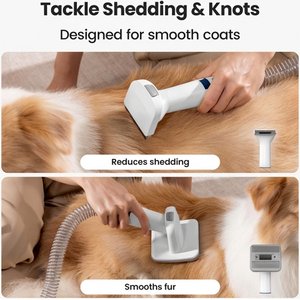
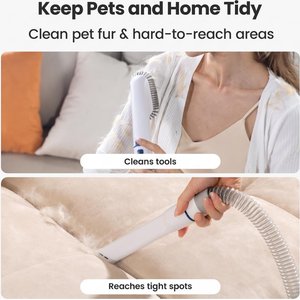

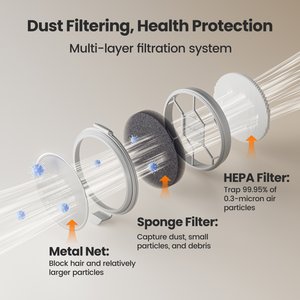
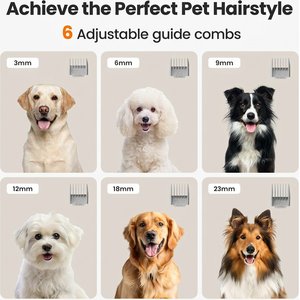
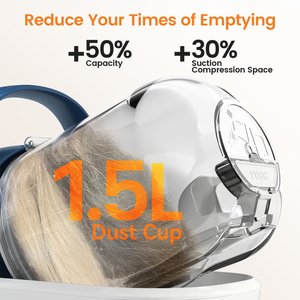
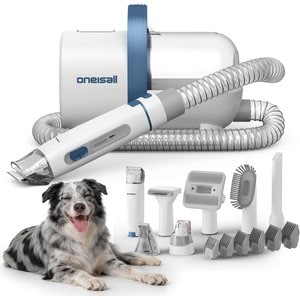
OneIsAll LM2C Pet Hair Vacuum & Grooming Kit for Dog & Cat, 1.5L
$75.99 Chewy Price
($50.66/l)
Promo, Special offer - price as marked
Our ratings
Comfort
4.6/5
ExcellentDurability
4.6/5
ExcellentEffectiveness
4.7/5
ExcellentVersatility
4.7/5
Excellent


Our ratings
Comfort
4.7/5
ExcellentDurability
4.7/5
ExcellentEffectiveness
4.7/5
ExcellentVersatility
4.7/5
Excellent


FurMe Professional PLUS Pet Grooming Vacuum Set
$149.99 Chewy Price
Promo, New Customers Only: Spend $49+, get $25 eGift Card
Our ratings
Comfort
4.7/5
ExcellentDurability
4.6/5
ExcellentEffectiveness
4.6/5
ExcellentVersatility
4.7/5
Excellent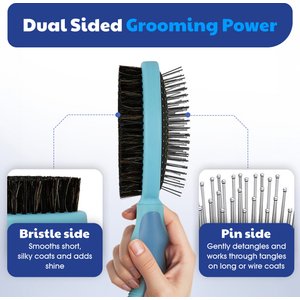
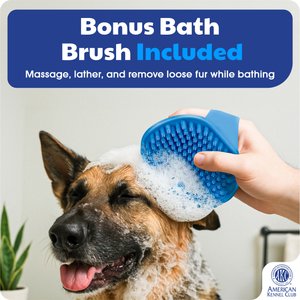
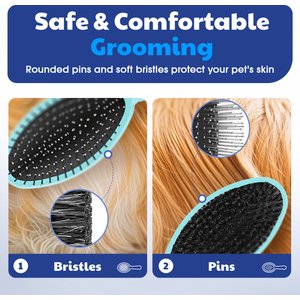
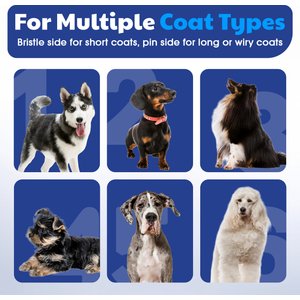
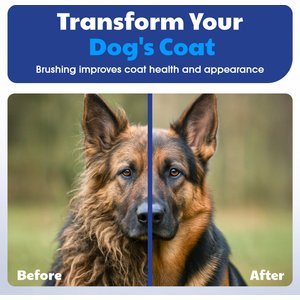
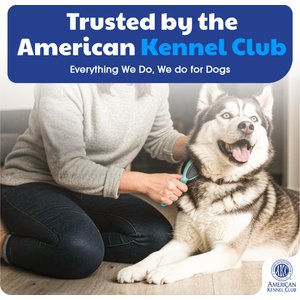
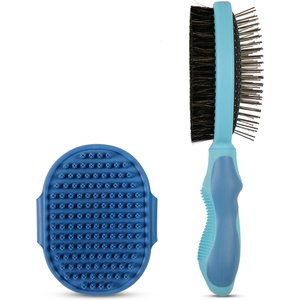
American Kennel Club Double-Sided Bristle & Pin Dog Grooming ProBrush with Complimentary Bath Brush
$7.69 Chewy Price
Promo, New Customers Only: Spend $49+, get $25 eGift Card
Our ratings
Comfort
4.5/5
GreatDurability
4.5/5
GreatEffectiveness
4.8/5
ExcellentVersatility
4.6/5
Excellent


Our ratings
Comfort
4.7/5
ExcellentDurability
4.6/5
ExcellentEffectiveness
4.6/5
ExcellentVersatility
4.6/5
Excellent


Flying Pig Grooming High Velocity Dog & Cat Grooming Dryer, Purple
$187.00 Chewy Price
Promo, Save 10% at Checkout
Our ratings
Comfort
4.7/5
ExcellentDurability
4.6/5
ExcellentEffectiveness
4.6/5
ExcellentVersatility
4.7/5
Excellent