Best Elevated Dog Bowls
Our Top Picks



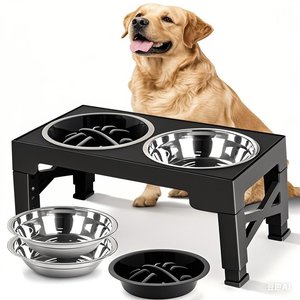

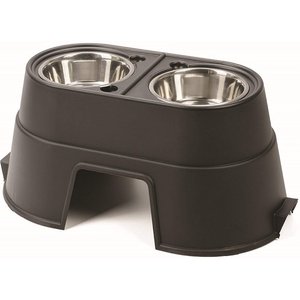


Frisco Marble Print Stainless Steel Double Elevated Dog Bowl, Black Stand, Medium: 3 cup
$18.99 Chewy Price
Promo, New Customers Only: Spend $49+, get $25 eGift Card
Our ratings
Ease of Cleaning
4.6/5
ExcellentHeight and Size
4.7/5
ExcellentMaterial
4.7/5
ExcellentStability
4.6/5
Excellent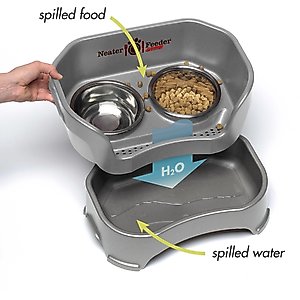
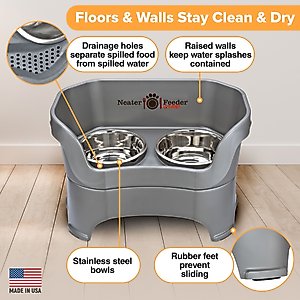
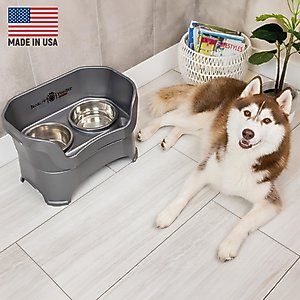
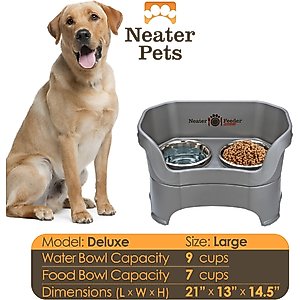
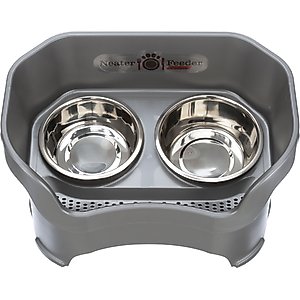
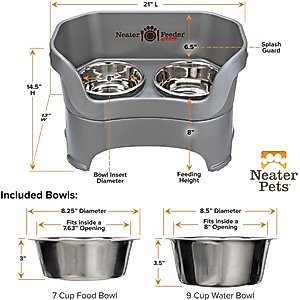
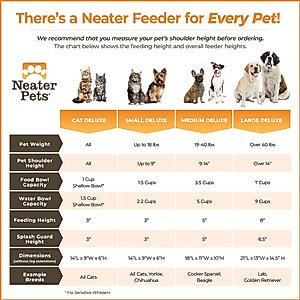
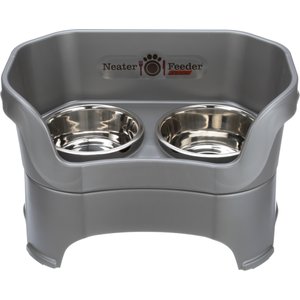
Neater Pets Neater Feeder Deluxe Elevated & Mess-Proof Dog Bowls, Gunmetal Grey, 7-cup & 9-cup
$67.99 Chewy Price
Promo, New Customers Only: Spend $49+, get $25 eGift Card
Our ratings
Ease of Cleaning
4.6/5
ExcellentHeight and Size
4.4/5
GreatMaterial
4.4/5
GreatStability
4.5/5
Great


PetRageous Designs Set The Table Non-Skid Pet Bowl Wire Stand, Small
$23.79 Chewy Price
Promo, New Customers Only: Spend $49+, get $25 eGift Card
Our ratings
Ease of Cleaning
4.5/5
GreatHeight and Size
4.7/5
ExcellentMaterial
4.7/5
ExcellentStability
4.6/5
Excellent
Our ratings
Ease of Cleaning
4.5/5
GreatHeight and Size
4.6/5
ExcellentMaterial
4.5/5
GreatStability
4.6/5
Excellent


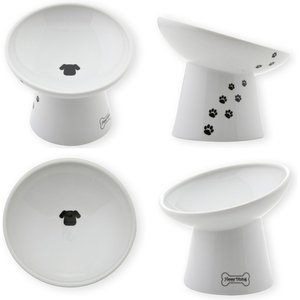
Fluff Trough Elevated Dog & Cat Feeder, Black, Standard
$55.50 Chewy Price
Promo, Save 10% at Checkout
Our ratings
Ease of Cleaning
4.7/5
ExcellentHeight and Size
4.7/5
ExcellentMaterial
4.6/5
ExcellentStability
4.6/5
Excellent
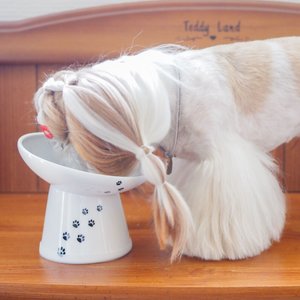
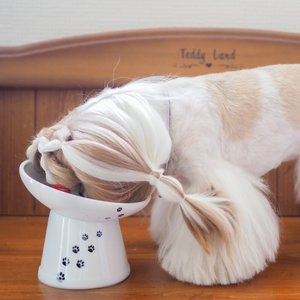
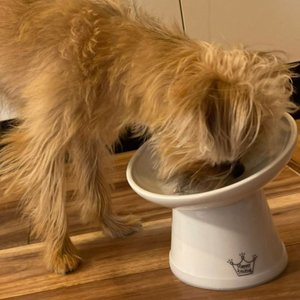
Our ratings
Ease of Cleaning
4.5/5
GreatHeight and Size
4.5/5
GreatMaterial
4.5/5
GreatStability
4.6/5
Excellent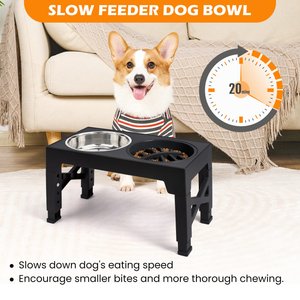
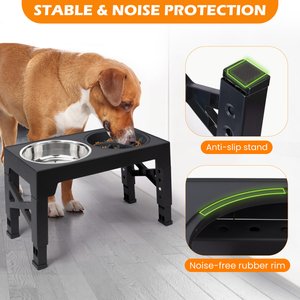
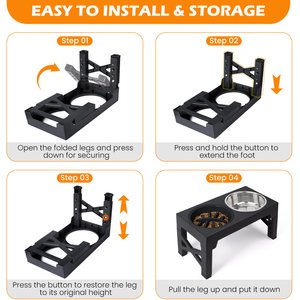
Our ratings
Ease of Cleaning
4.4/5
GreatHeight and Size
4.4/5
GreatMaterial
4.3/5
GreatStability
4.4/5
Great


IRIS WeatherPro Airtight Elevated Pet Feeder with Food Storage Container & Bowls in Lid, Smoke/Black, 8-cup
$37.99 Chewy Price
Promo, New Customers Only: Spend $49+, get $25 eGift Card
Our ratings
Ease of Cleaning
4.6/5
ExcellentHeight and Size
4.6/5
ExcellentMaterial
4.4/5
GreatStability
4.7/5
Excellent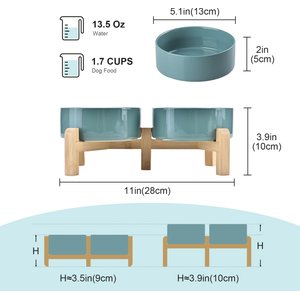
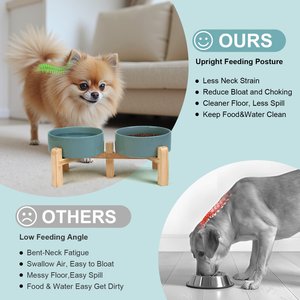
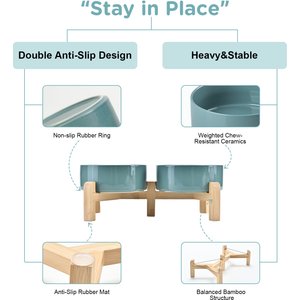
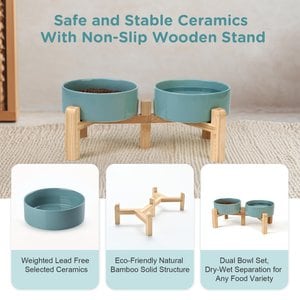


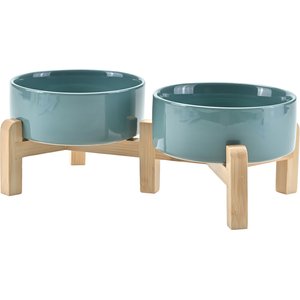
SpunkyJunky Ceramic & Bamboo Non-Slip Elevated Dog Bowls, 2 count, Dark Green, 1.7 cup
$29.99 Chewy Price
Promo, Save 20% at Checkout
Our ratings
Ease of Cleaning
4.6/5
ExcellentHeight and Size
4.6/5
ExcellentMaterial
4.7/5
ExcellentStability
4.6/5
Excellent
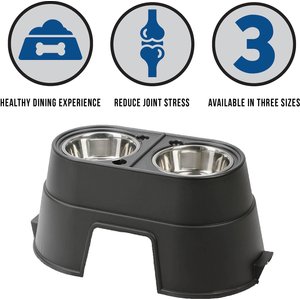
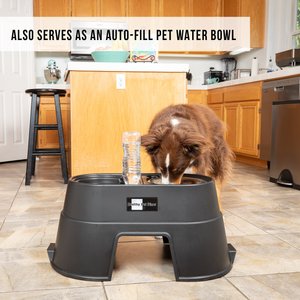
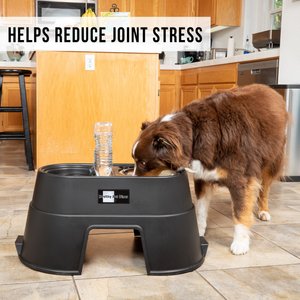

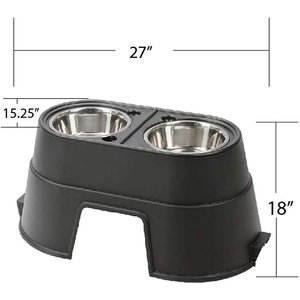
OurPets Comfort Elevated Dog & Cat Bowls, Black, 5.5-cup
$44.99 Chewy Price
Promo, Save 30% at Checkout
Our ratings
Ease of Cleaning
4.2/5
GreatHeight and Size
4.4/5
GreatMaterial
4.3/5
GreatStability
4.4/5
Great