Best Saddle Pad
Our Top Picks


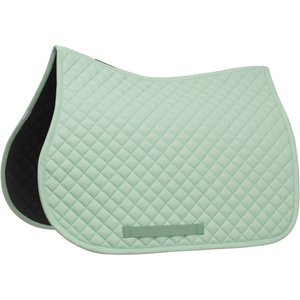


WeatherBeeta Prime Air-Tec Dressage Horse Saddle Pad, Midnight Teal
$37.99 Chewy Price
Promo, New Customers Only: Spend $49+, get $25 eGift Card
Our ratings
Fit
4.7/5
ExcellentMaterial
4.7/5
ExcellentNon-Slip Design
4.6/5
ExcellentShock Absorption
4.7/5
Excellent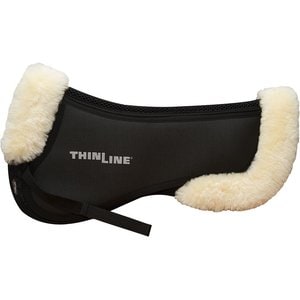
ThinLine Trifecta Horse Half Saddle Pad with Sheepskin Rolls, Natural, Medium
$232.00 Chewy Price
Promo, New Customers Only: Spend $49+, get $25 eGift Card
Our ratings
Fit
4.6/5
ExcellentMaterial
4.2/5
GreatNon-Slip Design
4.4/5
GreatShock Absorption
4.5/5
GreatEquinavia Harstad All Purpose Horse Saddle Pad, Misty Jade
$26.99 Chewy Price
Promo, New Customers Only: Spend $49+, get $25 eGift Card
Our ratings
Fit
4.6/5
ExcellentMaterial
4.8/5
ExcellentNon-Slip Design
4.8/5
ExcellentShock Absorption
4.8/5
Excellent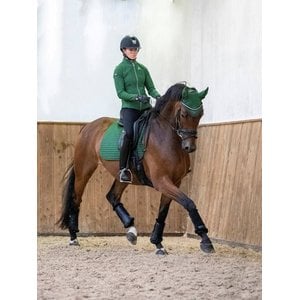
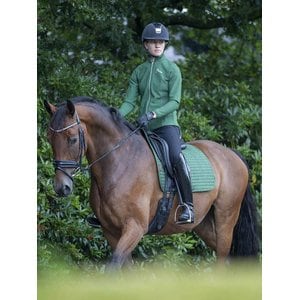
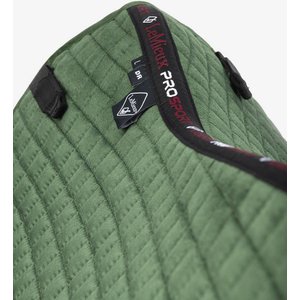
LeMieux Suede Dressage Square Saddle Pads, Large, Hunter Green
$89.95 Chewy Price
Promo, New Customers Only: Spend $49+, get $25 eGift Card
Our ratings
Fit
4.6/5
ExcellentMaterial
4.6/5
ExcellentNon-Slip Design
4.6/5
ExcellentShock Absorption
4.6/5
Excellent
TuffRider Basic All Purpose Saddle Pad, White
$23.99 Chewy Price
($23.99/ea)
Promo, New Customers Only: Spend $49+, get $25 eGift Card
Our ratings
Fit
4.2/5
GreatMaterial
4.4/5
GreatNon-Slip Design
3.8/5
GoodShock Absorption
4.0/5
Great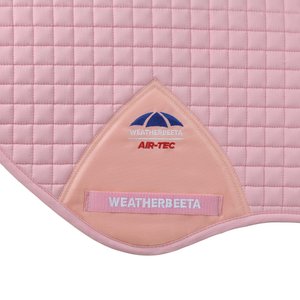
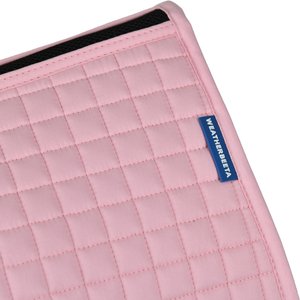
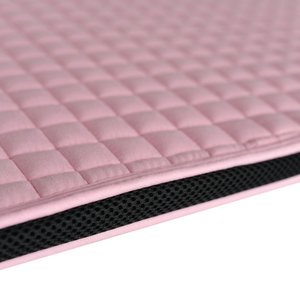
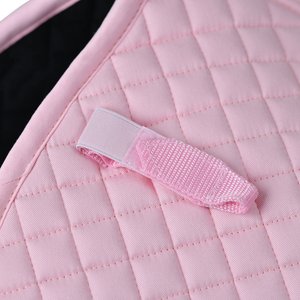
WeatherBeeta Prime Air-Tec Jump Shaped Horse Saddle Pad, Light Pink
$37.99 Chewy Price
Promo, New Customers Only: Spend $49+, get $25 eGift Card
Our ratings
Fit
4.7/5
ExcellentMaterial
4.7/5
ExcellentNon-Slip Design
4.7/5
ExcellentShock Absorption
4.6/5
Excellent

ThinLine Perfect Fit Horse Half Saddle Pad, Black, Medium
$155.00 Chewy Price
Promo, New Customers Only: Spend $49+, get $25 eGift Card
Our ratings
Fit
4.5/5
GreatMaterial
4.3/5
GreatNon-Slip Design
4.5/5
GreatShock Absorption
4.4/5
Great


Horze Gel Front Riser Horse Pad
$79.99 Chewy Price
Promo, New Customers Only: Spend $49+, get $25 eGift Card
Our ratings
Fit
4.7/5
ExcellentMaterial
4.4/5
GreatNon-Slip Design
4.7/5
ExcellentShock Absorption
4.6/5
Excellent


Equine Couture Hi Wither Sherpa Fleece Horse Half Pad, Black
$29.99 Chewy Price
Promo, New Customers Only: Spend $49+, get $25 eGift Card
Our ratings
Fit
4.3/5
GreatMaterial
4.7/5
ExcellentNon-Slip Design
4.7/5
ExcellentShock Absorption
4.7/5
Excellent


Equinavia Eidsvoll Ultra Fleece Trimmed Show Pad, White, Medium
$89.99 Chewy Price
Promo, New Customers Only: Spend $49+, get $25 eGift Card
Our ratings
Fit
4.5/5
GreatMaterial
4.7/5
ExcellentNon-Slip Design
4.4/5
GreatShock Absorption
4.6/5
Excellent