How Long Do Quail Live? A Quail Lifespan Guide


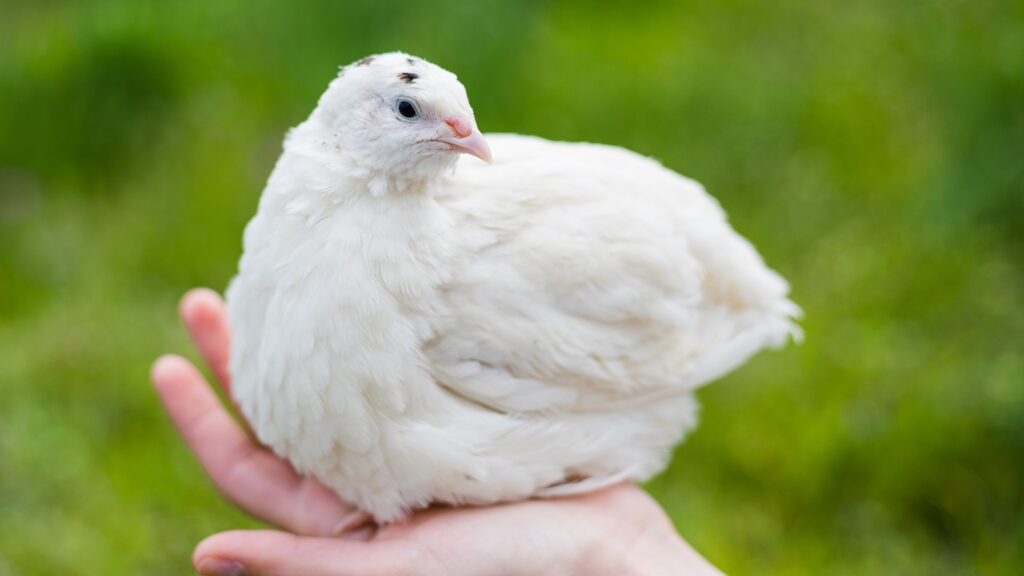
Photo by Alena_Zolot/iStock/Getty Images Plus via Getty Images
Small but full of personality, quail can make charming additions to a backyard flock or home aviary. With good care, Japanese quail live an average of about six years in captivity, while button quail can live four years or longer.
From safe housing to balanced nutrition and regular veterinary care, here’s what helps quail live long, healthy lives.
Key Takeaways
- Quail lifespan varies by species. Japanese quail average about six years in captivity, while button quail can live four years or longer.
- Quail need secure housing with enough floor space, comfortable bedding, hiding places, and protection from predators.
- A balanced diet appropriate for their species and life stage is essential; seeds and treats shouldn’t replace complete food.
- Daily health monitoring and regular care from a veterinarian who treats quail can help identify problems early.
How Long Do Quail Live?
The average quail lifespan depends on the species. Japanese quail, also called Coturnix quail, average about six years in captivity, while button quail can live four years or longer.
Japanese quail are common in backyard flocks, while smaller button quail are often kept as indoor pets. Their care needs and lifespans differ, so it’s important to know which species you’re bringing home.
What Impacts a Quail’s Lifespan?
Several factors influence how long quail live, including:
- Housing and safety: Provide enough room to walk, forage, and hide, along with solid flooring, clean bedding, ventilation, and predator protection. Because quail may jump upward when startled, enclosure height and ceiling design should be appropriate for the species.
- Nutrition: Choose a complete gamebird diet suited to your quail’s age and life stage. Chicks, adults, and laying hens have different needs, and seeds or scratch grains shouldn’t replace balanced food.
- Companionship and stress: Group size, sex, available space, and individual behavior affect compatibility. Provide hiding places and watch for chasing, feather damage, or birds being kept away from food.
- Chick safety and preventive care: Young quail need appropriately sized brooders, feeders, and waterers to prevent escapes and drowning. Establish care with a veterinarian who treats quail and ask about new-bird exams, quarantine, parasite testing, and age-related care.
How To Help Your Quail Live a Longer Life
A few consistent habits can help keep your quail healthy and comfortable.
Feed for Their Life Stage
Choose flock feed appropriate for your quail’s species and age. Modesto Milling Organic Turkey / Gamebird Starter Crumbles Poultry Feed is formulated for starting and growing quail, not as a universal adult maintenance diet.
Recommended Product

Provide Accessible Feeders
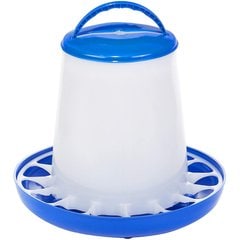
Choose feeders that suit your birds’ size and flock setup. A Little Giant Plastic Poultry Feeder may work for some backyard quail, but check opening size, stability, and accessibility. Smaller button quail need appropriately sized dishes.
Recommended Product
Keep Fresh Water Available
Use stable, easy-to-clean waterers suited to your quail’s size. Refresh water regularly and make sure bedding doesn’t block access.
Protect Them From Predators
Secure outdoor enclosures with sturdy fencing, reliable latches, and protection from above. Check regularly for gaps or damage.
Encourage Natural Behaviors
Provide hiding places, opportunities to forage, and a clean, species-appropriate dust-bathing area. Keep these spaces dry and remove waste regularly.
Watch for Signs of Illness
Monitor each bird’s appetite, movement, and behavior. Contact your veterinarian if you notice persistent fluffed-up feathers, appetite loss, breathing changes, limping, wounds, or difficulty laying an egg.
Attributions
This article was created with assistance from AI tools. The content has been reviewed for accuracy and edited by a human.