How Long Do Parakeets Live? A Parakeet Lifespan Guide


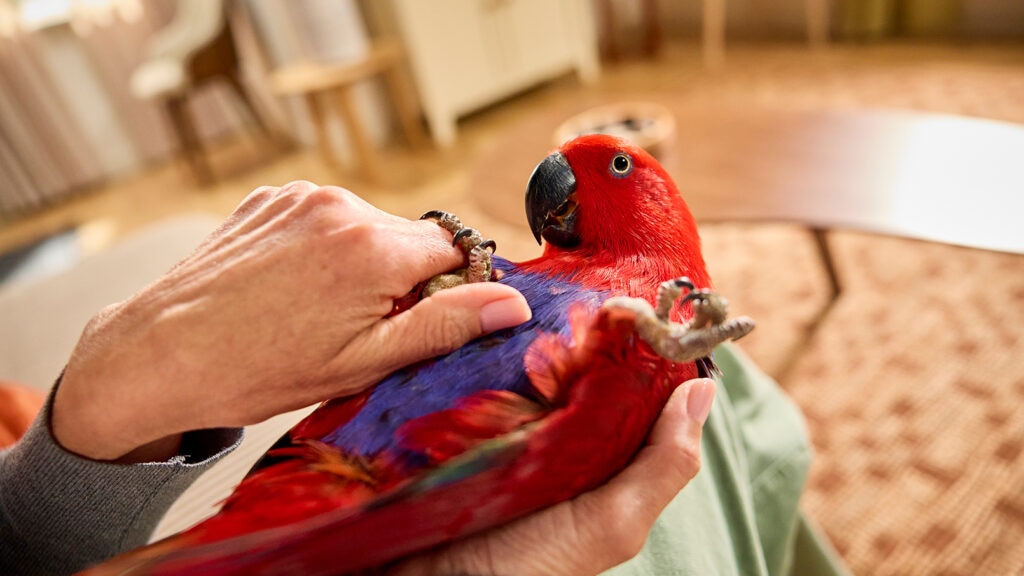
Photo by Chewy
How long do parakeets live? Budgies—the most common pet parakeet—typically live seven to 15 years with good care.
While genetics play a role, a balanced diet, safe housing, enrichment, and regular veterinary care can help your parakeet live a long, healthy life.
Key Takeaways
- Budgies, the most common pet parakeets, typically live seven to 15 years in captivity.
- A parakeet's lifespan depends on species, genetics, nutrition, housing, exercise, sleep, safety, and preventive care.
- All-seed diets are nutritionally incomplete. Many budgies benefit from a gradual, veterinarian-guided transition to pellets and fresh vegetables.
- Parakeets need daily social interaction, enrichment, and protection from household hazards that can cause serious injuries.
How Long Do Parakeets Live?
Budgies commonly live seven to 15 years with good care, though other parakeet species have different lifespans.
Nutrition, housing, enrichment, safety, and veterinary care all influence longevity. Because birds can hide illness, contact your avian veterinarian if your parakeet sings or eats less, has unusual droppings, or loses weight.
Seek emergency care if your bird is weak and fluffed up, sitting on the cage floor, unable to perch, open-mouth breathing, or struggling to breathe.
What Impacts a Parakeet’s Lifespan?
Several factors affect how long a parakeet lives, including species, genetics, nutrition, housing, and daily care.
Species and Genetics
Parakeets include several species, such as budgies, monk parakeets, and ring-necked parakeets, each with different lifespans, sizes, and care needs.
Choose a reputable source and ask about your bird’s diet, housing, and favorite toys. Schedule a new-bird exam with an avian veterinarian.
If you have other birds, quarantine your new parakeet for at least 30 days, ideally in a separate room with its own air space, while your veterinarian evaluates them and recommends any infectious disease testing.
Nutrition
Wild budgies forage for grass seeds, but a seed-heavy diet at home can lack essential protein, vitamins, and minerals. Budgies are also prone to obesity and fatty liver disease, making a balanced diet especially important.
Many avian veterinarians recommend:
- Pellets as the foundation of the diet
- Fresh vegetables for additional nutrients
- Seeds and fruit in small amounts as treats
Remove fresh foods after about 30 minutes.
Transition to a pelleted diet gradually, as sudden changes can cause food refusal, weight loss, or stress.
To encourage your budgie to try pellets, offer them in a clean, shallow foraging dish low in the cage. Keep the area clean and make sure your bird is swallowing the food, not just crushing it. Contact your veterinarian if their appetite, droppings, or weight decrease.
Never offer chocolate, caffeine, avocado, or other foods that are toxic to birds.
Cage Setup and Safety
Budgies need a spacious, safe cage that allows for horizontal flight. Choose the largest cage you can accommodate, with:
- Plenty of horizontal space: The cage should be wider than it is tall, with enough room to fully extend their wings and move between perches without touching the sides.
- Safe bar spacing: Look for spacing that measures no more than 3/8 of an inch.
- Varied perches: Offer perches of different sizes and textures at different heights. Avoid sandpaper perch covers, which can irritate feet.
- Bird-safe materials: Avoid cages made with zinc, lead, or galvanized metal, which can cause toxicity.
Keep the cage in a bright, well-ventilated room away from direct window sunlight, which can cause overheating.
Household accidents are a major risk for budgies, so supervise time outside the cage. Hazards include open windows, ceiling fans, mirrors, electrical cords, hot pans, other pets, and unsafe plants. Fumes from overheated nonstick cookware, aerosol sprays, scented candles, and tobacco smoke can also seriously harm birds.
Provide 10–12 hours of quiet, uninterrupted darkness for sleep each night.
Enrichment and Social Time
Parakeets are intelligent, social birds who need daily interaction, toys, foraging, and training. Boredom or stress may cause screaming, feather damage, biting, or reduced appetite.
Many budgies enjoy bathing a few times a week in a shallow dish or under a gentle mist.
Budgies may also enjoy living in pairs, but introductions should be gradual and supervised. Forced pairing or overcrowding can cause stress.
Contact your veterinarian if your parakeet’s behavior suddenly changes, as this may signal illness.
How To Help Your Parakeet Live a Longer Life
Consistent daily care can help your parakeet stay healthy and engaged:
Recommended Products
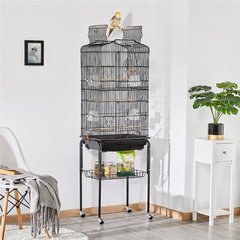

- Offer enrichment. Rotate toys, perches, and foraging activities to prevent boredom. The best bird toys encourage chewing, shredding, preening, and problem-solving. Check toys regularly for wear.
Recommended Product

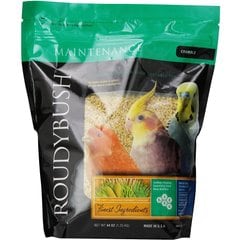
- Feed a balanced diet. Work with your veterinarian to choose a complete pellet or crumble, such as Roudybush Daily Maintenance Crumble Bird Food, along with appropriate fresh vegetables.
Recommended Product
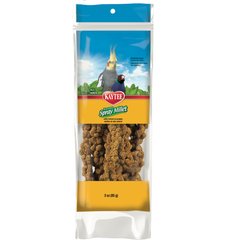
- Limit treats. Millet can be a useful training reward but shouldn’t replace balanced meals.
Recommended Products

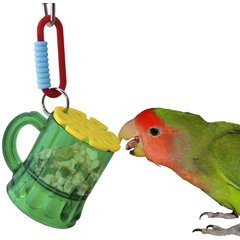
- Encourage foraging. Toys like the Super Bird Creations Mug Forager Bird Toy encourage natural foraging behaviors.
Recommended Product
- Schedule regular vet visits. See an avian veterinarian at least annually for health checks that may include weight monitoring, fecal testing, blood work, and nutrition assessment. Use a small gram scale at home to track weight changes between visits.
Attributions
This article was created with assistance from AI tools. The content has been reviewed for accuracy and edited by a human.