Parakeet Sounds and What They Mean


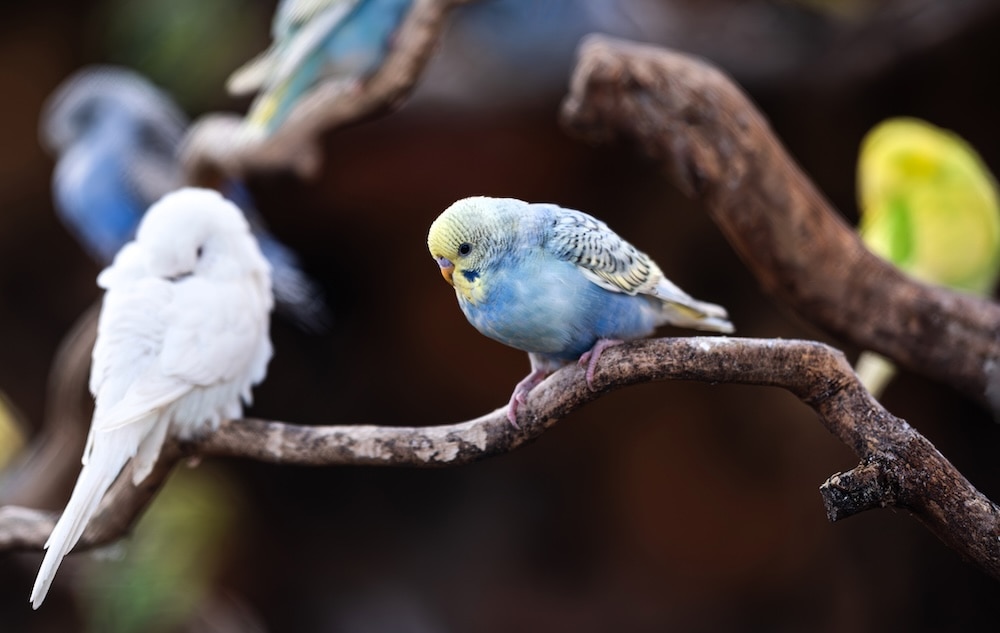
Photo by Skrypko Alla/iStock/Getty Images Plus
Parakeets (aka budgies) are vocal birds who use a variety of sounds to communicate with each other and with their humans. Each vocalization from a parakeet has a different meaning, and learning what parakeet sounds mean can help you better understand your feathered friend.
Key Takeaways
- Parakeets use different sounds to communicate everything from happiness and curiosity to fear and stress.
- Pair your bird's vocalizations with their body language and surroundings to better understand what they’re trying to communicate.
- Most chirping, whistling, and quiet chattering are signs of a content, engaged bird, while persistent screaming often signals an unmet need or stress.
- Sudden silence, wheezing, clicking, or changes in your parakeet's voice may indicate illness and should be evaluated by an avian veterinarian.
Why Do Parakeets Make So Many Sounds?
Parakeets are highly social flock animals, so their vocal range reflects what they need to stay connected to others in their group.
These little birds are rarely alone in the wild and have complex communication signals to tell each other what’s going on. They chirp to check in, call out when they can’t see each other, and react with various sounds when something changes in their habitat.
Just as important as their vocalizations, a parakeet’s body language also says a lot about their feelings. In combination, these give you a clear picture of what your feathered friend is trying to say. For example, a head bob with a soft chirp could mean hello, while “pinned” eyes can mean aggression.
Common Parakeet Sounds and What They Mean
Parakeets express themselves through whistles, chirps, and more.
Chirping
Chirping is the parakeet version of general conversation—it’s low-effort and typically a good sign. If your bird repeats a single note chirp throughout the day, it means they’re comfortable and just keeping in touch with you the way they would with other flock members.
Parakeets often start chirping in the morning and continue throughout the day, ending at bedtime.
If their chirping gets louder or more repetitive, it’s more likely that they’re saying, “come here.” When that happens, it’s time to check food and water to make sure everything is OK.
Whistling
Does your parakeet whistle? That’s great! It’s a good sign and shows that your parakeet is happy and healthy.
A whistling parakeet is most likely relaxed and feels confident—they may even start mimicking songs they like. Whistling is the easiest sound for parakeets to learn and it’s a perfect place to start if you want to teach them to talk.
Chattering or Quiet Babbling
These are the soft, almost mumbled sounds parakeets make when they’re relaxed and feel safe in the environment. Parakeets often mix chattering with whistles, chirps, and, if your bird is learning to talk, half-formed words.
Quiet babbling is usually heard in combination with loose, relaxed body language and maybe even your bird holding up a foot.
Chattering or quiet babbling is a great sign that your bird feels safe in their habitat. They may even chatter to themselves or a favorite toy.
Squawking or Loud Calls
When parakeets step up their sounds to squawking or other loud calls, it’s because they need something now or have been chirping for attention and feel ignored.
Parakeets also squawk when they’re really excited during play or because they have a new toy.
Recommended Products
Loud call sounds may also serve as a sharp alarm when something startles your bird. The biggest difference between a squawk and a scream is that squawking is usually short bursts tied to a specific trigger, rather than sustained and repetitive.
Screaming
Budgies scream because something is wrong in their habitat. It could be as simple as boredom because they’re not getting the interaction they want or need. But they also scream when something frightens them or they’re stressed.
Some parakeets will scream to tell you that a perch or toy has broken and needs to be fixed.
If your budgie screams often, check their habitat carefully; there’s probably something wrong that needs to be addressed.
Make sure you’re giving your birds the attention and time they need. Throughout the day, check for broken or unstable perches and toys, or food and water dishes that aren’t attached securely. Other things to look for include dirty water, uneaten food, or a cage liner that needs replacing.
Recommended Products


Hissing
If your parakeet is hissing at you or another parakeet, they’re usually either protecting territory or demanding space. When a parakeet is threatened, stressed, in pain, or territorial, their strongest and often last signal before biting is hissing.
So leave a hissing parakeet alone and give them the space they’re demanding. But if it’s out of character for your bird, watch carefully to make sure they are OK. Look for odd movements that indicate an injury or illness, and schedule an appointment with your avian veterinarian if things don’t seem right.
Beak Grinding
Although it isn’t a vocalization, beak grinding is a way budgies say they are comfortable and feel safe. They’ll often grind their beak before bedtime as they’re settling in for the night.
When Do Parakeet Sounds Signal a Health Problem?
Budgies are normally very vocal birds, so chirping, whistling, and social chatter are common daily sounds. Any sudden change in their normal calls can signal a potential health problem.
Watch your bird for things like:
- Suddenly becoming very quiet or very loud
- Distinct vocal changes
- Clicking or wheezing during breathing
- Labored breathing
Any sign that your normally gregarious budgie isn’t feeling well warrants a call to your avian vet. Don’t wait until it becomes critical, as birds tend to hide illness easily.
How To Encourage Healthy Vocalizations
The easiest way to ensure your parakeet is happy is by meeting their social and mental needs before they feel ignored and must get loud. Daily interaction with your birds helps them maintain their social bond with you, and the time you spend talking, singing, and playing with them encourages positive vocalizations.
You can also encourage healthy vocal behavior by including bird-safe toys, including foraging toys, in their habitat. Additionally, giving them supervised time outside their cage to stretch, fly, and explore can make any bird excited and vocal.
Give your parakeets a consistent schedule for feeding, sleeping, and waking to help them feel more secure. Parakeets who feel safe and have their physical and mental needs met are calmer and more pleasant to be around, with more predictable behavior.
If your parakeets scream for attention, it’s best to wait for them to quiet down for a moment. Responding to them while they’re squawking and screaming at you teaches them that screaming is OK—making for a very loud household.
Every parakeet has their own vocabulary, but once you know what to listen for, the sounds fall into consistent categories.
The more time you spend with your parakeet, the easier it’ll be to understand what they’re trying to tell you, and this knowledge is one the best tools you’ll use to give your feathered friend the most enriching life possible.
FAQs About Parakeet Sounds
Why is my parakeet chirping so much?
Frequent chirping is usually a sign of a happy, healthy bird communicating with their flock.
Why is my parakeet screaming?
Screaming may indicate fear, boredom, loneliness, excitement, or a desire for attention. Look for environmental or social triggers before trying to stop the behavior.
Is beak grinding normal?
Yes. Beak grinding is a common sign that a relaxed parakeet is settling down to rest.
Why did my parakeet suddenly become quiet?
A normally vocal bird who suddenly becomes silent may be stressed or ill and should be monitored closely. If other signs of illness are present, contact an avian veterinarian.
Can parakeets learn to mimic sounds?
Yes. Many parakeets can imitate whistles, household noises, and even words with regular interaction and training.
Attributions