Parakeet (Budgie) Cage Setup


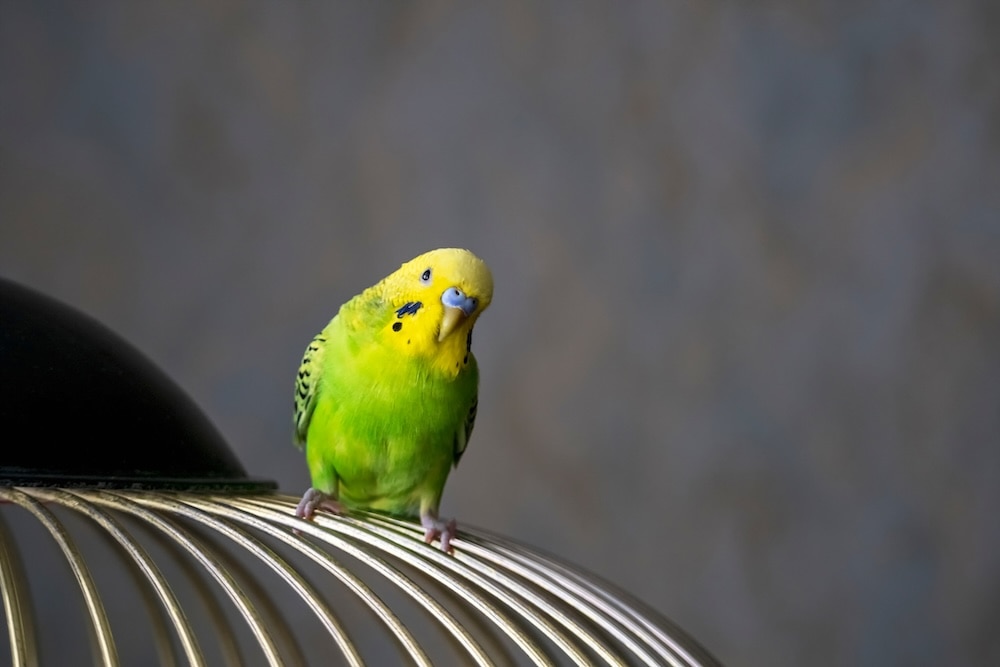
Photo by Stanislav Sablin/iStock/Getty Images Plus
Parakeets (budgies) are active, social birds native to Australia. They’re fantastic pets who need a cage setup that helps them stay healthy and happy. These birds love foraging, exploring, climbing, and playing, so a well-rounded setup will encourage natural behaviors.
Key Takeaways
- Parakeets need a cage with enough width and length to fly, climb, and explore freely.
- Location matters as much as size because these social birds thrive on interaction.
- A variable mix of perches, toys, and dish placement keeps your parakeet active and mentally engaged.
Choose the Right Cage Size
For parakeets, the width and length of their cage is more important than the height. Their enclosure needs to be big enough for them to fully spread their wings and take short flights from one end to the other.
They need room to fly, climb, and explore without hitting the sides of the enclosure and damaging their feathers. The absolute minimum-sized cage for a parakeet is 18x18x18 inches for one bird and 30x24x24 inches for two or more. But bigger is always better.
Recommended Products
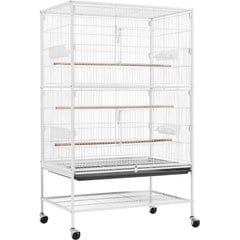
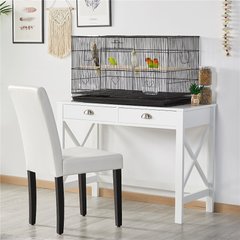
Also, look for a cage with horizontal bars they can use as a ladder as they explore and play. Bar spacing needs to be narrow enough that they can’t get their head stuck or escape—ideally, about 1/2 inch.
Note: Make sure the bar spacing is consistent. When bars are farther apart at one end and get closer together at an attachment point (as in round cages), your parakeet can get their feet stuck and may become unable to free themselves.
Add a Variety of Perches
Part of the fun in figuring out how to set up a parakeet cage is experimenting with perch location, size, and materials. Include natural rope and untreated wood branches like mesquite or apple wood.
Recommended Products
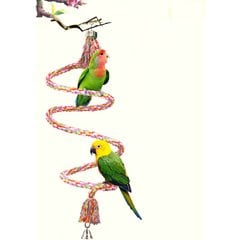
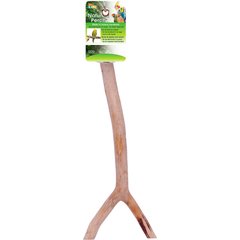
Select perches with different diameters for variety and physical health. Platform perches are a fun, optional addition as well.
If your cage came with straight dowel perches, either toss them out or sand them down into uneven sizes. Stagger their placement and leave the middle of the enclosure open for flight.
Note: Do not include hides with small openings for parakeets—females will turn them into nesting boxes.
Set Up Food and Water Stations
Parakeet cage accessories start with the basics: separate dishes for food and water, plus one for special treats and fresh vegetables. Stainless steel and quality ceramic bowls are bird-safe and easy to clean. Make sure all bowls are attached securely to the cage.
Recommended Products
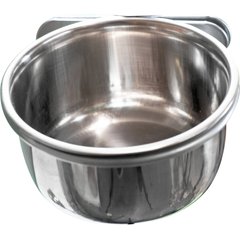
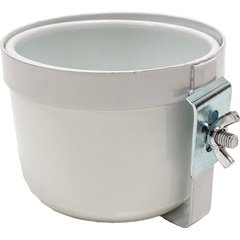
Food and water bowls get dirty fast. You’ll need to clean them daily. If you attach the water bowl high up in the cage, it keeps your parakeets from accidentally using it as a toilet.
Also, attaching the food bowl lower in the cage keeps your parakeet from scattering seed very far when they are rummaging through it for their favorites—just don’t place it below the water or perches.
Add Toys for Enrichment and Exercise
Parakeets greet the day with activity. They need plenty of toys that you can rotate regularly to prevent boredom.
Choose bird-safe toys without coatings like paint or varnish, as your parakeet is going to chew on them and those materials can be toxic. Birds explore with their mouths and feet, so anything that touches them needs to be safe, especially if there’s a chance they might ingest something.
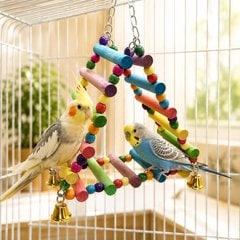
- Ladders and swings are fabulous toys because birds can land on them, climb, and take off again.
Recommended Product
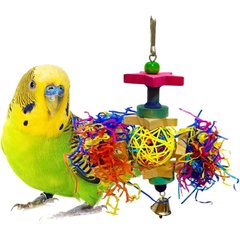
- Shreddable toys that hang from the roof of the cage or attach to the side engage parakeets’ curious minds.
Recommended Product
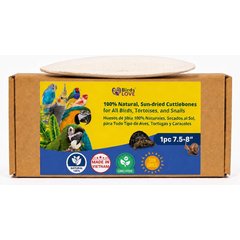
- Cuttlebones help keep their beaks trimmed and provide calcium, while perches can help keep their nails trimmed.
Recommended Product
- Foraging toys let you hide treats for your parakeet, allowing them to explore interesting textures and tastes.
Recommended Product
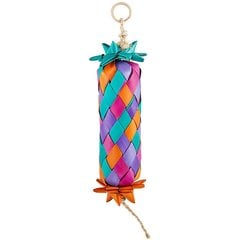
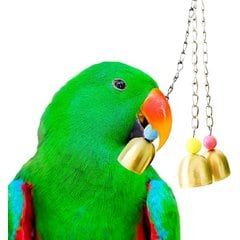
- Bells are fun for birds as long as they’re not coated with paint or varnish, so confirm a bell is safe before adding it to your parakeet’s cage.
Recommended Product
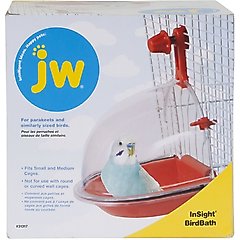
Bath time for parakeets is also vital! Some bird keepers place a shallow bowl in the kitchen sink and let their parakeets splash around in it. Or you can put the same type of bowl at the bottom of their cage once a week so they can take a bath.
Recommended Product
Include Space to Fly and Explore
Once you have the perfect parakeet cage with plenty of room, arranging everything inside matters as much as the size itself.
Perches, toys, and food/water dishes can easily crowd the open space birds need to use their wings. Staggering perches and pushing toys toward the sides and corners of the cage can give your parakeet the space they need while leaving their toys within reach.
Leave a clear pathway from end to end so your parakeet can take short flights without banging into toys or perches. Periodically check the pathway, because rearranging perches and toy rotation may accidentally close off the space they need.
Place the Cage in the Right Location
Parakeets thrive when they’re near family. Place your parakeet’s habitat in a bright room with plenty of natural light where they can see and interact with you at roughly eye level. Parakeets are generally uncomfortable if you loom over them.
To help them feel safe, place their cage along a wall or in a corner so they have a quiet place to retreat to when they need space. Keep it out of direct sunlight and away from drafts and heating or cooling vents.
Birds are very sensitive to air fresheners and fragrances, so avoid using those products in your home. Cooking fumes are also dangerous, so keep your parakeet habitat away from the kitchen. Fumes released by nonstick cookware can be fatal for birds. Be sure to review what kinds of bird-safe cookware you can keep in your home.
Keep Your Parakeet’s Cage Clean and Safe
Keeping your bird healthy includes keeping their enclosure clean and safe. Follow these handy tips:
- Clean and refill food and water bowls and replace the cage liner daily. Also check toys daily, and immediately remove any that are broken.
- Rotate their toys about once a week, and take a moment to inspect the toys and perches for wear and tear like loose parts and frayed rope. Remove and replace any damaged items.
- Clean and set aside the toys you’re keeping for their next rotation.
The best parakeet cage setup supports their physical and mental health by keeping them active and mentally engaged. It includes plenty of room to fly, various perches and toys, and clean, well-placed food and water dishes. Finally, the cage should be placed in a safe, social spot in your home.
Parakeet care doesn’t have to be complicated. Start with the essentials, stay consistent, and pay attention to what makes your bird thrive.
Frequently Asked Questions
How big should a parakeet cage be?
One parakeet needs a cage that’s at least 18x18x18 inches in size, while two or more birds need a minimum cage size of 30x24x24 inches. Providing enough flight room is important, so a bigger cage is always better.
How many toys should a parakeet have?
Plan for three to five toys at a time. Rotate them weekly so your parakeet stays interested, but make sure the cage doesn’t get overcrowded with toys.
Should I cover my parakeet’s cage at night?
A covering is not required, but it helps signal bedtime and blocks out drafts and light, allowing your parakeet to get 10–12 hours of undisturbed sleep.
How often should I clean a parakeet cage?
Clean the food and water dishes and spot-clean the cage daily. Do a deeper cleaning of the cage once a week, when you rotate their toys.
Attributions