Himalayan Cat
Updated June 8, 2026
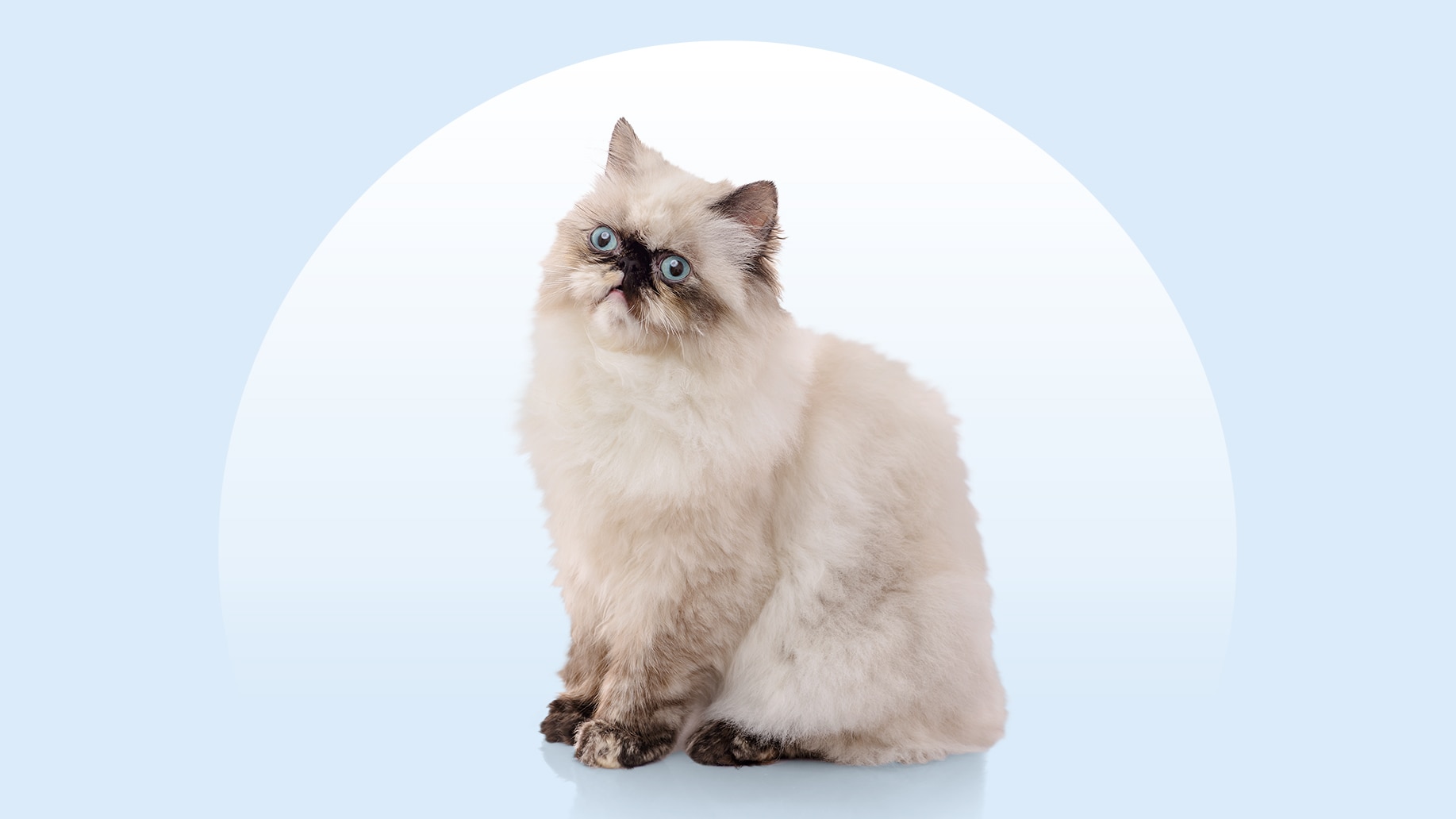
Himalayan Cat
Updated June 8, 2026
Himalayan cats are fluffy, blue-eyed charmers with the laid-back sweetness of a Persian and the striking color points of a Siamese. They love cozy routines, gentle affection, and plenty of grooming to keep their glamorous coat looking its best.
Affectionate, Social, Laid-Back
7–14 pounds
12–18 years
With their cloudlike coats, brilliant blue eyes, and signature color-point markings, Himalayan cats know how to make an unforgettable first impression.
This breed combines the calm, cuddly nature of the Persian with the elegant color-point beauty of the Siamese. Himalayans are often considered a division of the Persian breed rather than a separate breed, which is why you’ll often hear them called Himalayan Persian cats.
They’re affectionate without being overly demanding, and happiest when lounging near their favorite humans.
Recommended Products




Himalayan Cat Characteristics
Himalayan Cat Appearance
Himalayans are medium-size cats with long, luxurious coats and striking blue eyes. But their most recognizable feature is their color-point pattern: darker coloring on the face, ears, legs, paws, and tail.
Like their Persian relatives, Himalayan cats have an overall round appearance, with a big round head, large paws, and small ears.
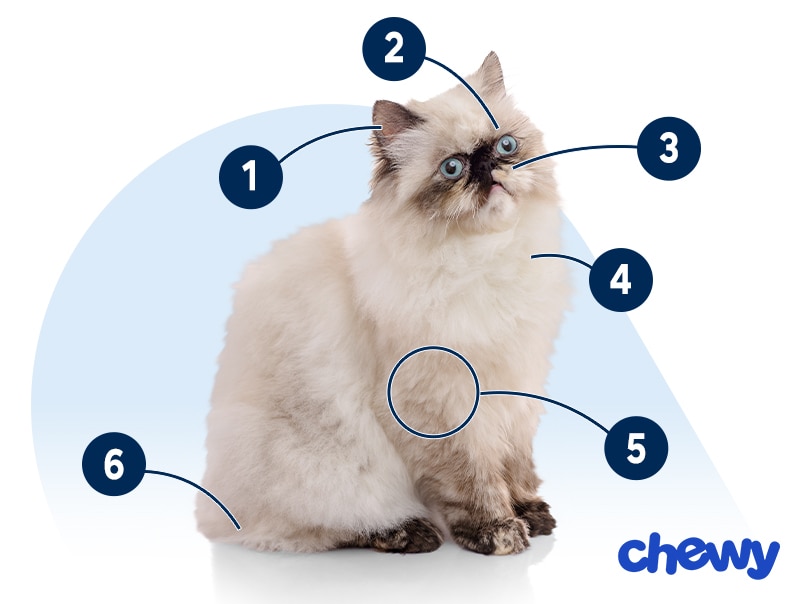
- Ears
Himalayans have small ears with rounded tips, adding to the overall round shape of their face.
- Eyes
Their striking blue eyes are large, round, and set far apart.
- Nose
The nose is short and stubby, contributing to the breed’s flat-faced appearance.
- Coat Length
Himalayans have a long, thick double coat with a full ruff around the neck and plenty of fluff throughout the body.
- Coat Color
Himalayans always have a color-point pattern, meaning the body is lighter while the face, ears, legs, paws, and tail are darker. Common point colors include seal, blue, chocolate, lilac, flame, cream, tortie, and lynx.
- Tail
Their tail is short to medium in length, thick, and heavily plumed.
Himalayan Cat Temperament
Himalayan cats are known for being calm and affectionate, with a tendency to form strong bonds with their people.
“They want to be around you all the time,” says Kevin Brown, a Himalayan breeder for the past 20 years. “They love being your companion. I think they’re very similar to dogs in that way.”
Compared with their more vocal Siamese relatives, Himalayan cats are generally quiet with soft voices. Himalayans are friendly cats around family members and often do well with children and calm pets, especially if introductions happen slowly.
Although they may inherit some of the Siamese breed’s high energy, they usually prefer peaceful cuddles to hyper playtime. They enjoy feather wands, balls, and puzzle toys, but they’re not known for wild zoomies or acrobatic stunts. They love affection and often enjoy being pet, cuddled, and even held.
Related Breeds


How to Care for a Himalayan Cat
Their sweet nature and laid-back lifestyle make the Himalayan domestic cat a wonderful companion. But their long, luxurious coat does require lots of grooming. Daily doses of exercise and a balanced, vet-approved diet will help them stay healthy and happy, too.
Grooming
Diet
Exercise
Environment
Himalayan Cat Health
The average Himalayan cat lifespan is 12–18 years. Excellent care, regular veterinary visits, and good breeding practices will help them live a long, happy life.
But because they share much of their genetics with Persians, Himalayans can be prone to several inherited health concerns that pet parents should be aware of.
- Polycystic kidney disease (PKD): This inherited condition causes fluid-filled cysts to form in the kidneys, which can lead to kidney dysfunction over time. It’s one of the better-known concerns in Persian-related breeds. Responsible breeders often test for PKD, and regular vet monitoring can help catch problems early.
- Brachycephalic airway issues: Their short, flat face may look adorable, but it can also create breathing difficulties. Some Himalayans may snore, breathe noisily, or struggle more in hot weather. Cats with more moderate facial structures often have fewer respiratory problems.
- Dental disease: The Himalayan’s jaw shape can contribute to crowded teeth and dental problems like tartar buildup, gingivitis, and periodontal disease. Daily brushing and regular professional dental care are especially important.
- Eye infections: Their flat faces and large eyes make Himalayans prone to eye infections and other issues. Regular cleaning can help keep the eyes healthy.
- Urinary blockage: Himalayans can be prone to urinary blockages, especially males. These blockages happen when crystals, mucus, or inflammation prevent urine from passing normally—a serious medical emergency that requires immediate veterinary care. Signs can include frequent trips to the litter box, straining, crying while urinating, or little to no urine production. Staying hydrated and incorporating wet food into the diet can help support urinary health.
- Obesity: Since Himalayans are naturally laid-back, they can gain weight easily if overfed or under-exercised. Extra weight can worsen other health problems, including joint strain and breathing difficulty.
- Skin and coat issues: Their dense coat can trap debris and develop mats quickly, especially if grooming is inconsistent. Skin irritation and discomfort can follow if the coat isn’t maintained regularly, so regular combing is a must.
Himalayan Cat History
The Himalayan cat may sound like it came from the mountains, but the breed is actually named for the pointed coat pattern, which resembles the coloring seen in Himalayan rabbits.
“It started probably about 75 years ago when somebody decided, ‘wouldn’t it be neat to have a cat that looks like a Persian but has the markings of the Siamese?’” Fellerman says.
According to the Cat Fanciers’ Association (CFA), U.S. breeders began developing a Persian cat with a color-point coat in the 1950s. They began crossing Siamese cats with Persians, aiming to combine the Persian’s plush coat and sweet personality with the Siamese’s striking blue eyes and signature point coloring.
It took several generations of careful breeding to achieve the look we recognize today. “By careful breeding back and forth, they eventually came out with a long-haired pointed cat,” Fellerman says.
As the breed developed, cat associations debated whether Himalayans should be considered their own breed or simply a color variation of the Persian. In 1984, the CFA made its decision.
“These cats, they’re Persian in every way except for their color,” Fellerman says. “So that’s when the board of directors decided to make them a division of the Persian breed.”
Even today, some registries still recognize the Himalayan as a separate breed, while others group them within the Persian family. No matter their paperwork, the Himalayan continues to win the hearts of many with their striking appearance and affectionate personality.