Can Cats Eat Seaweed?


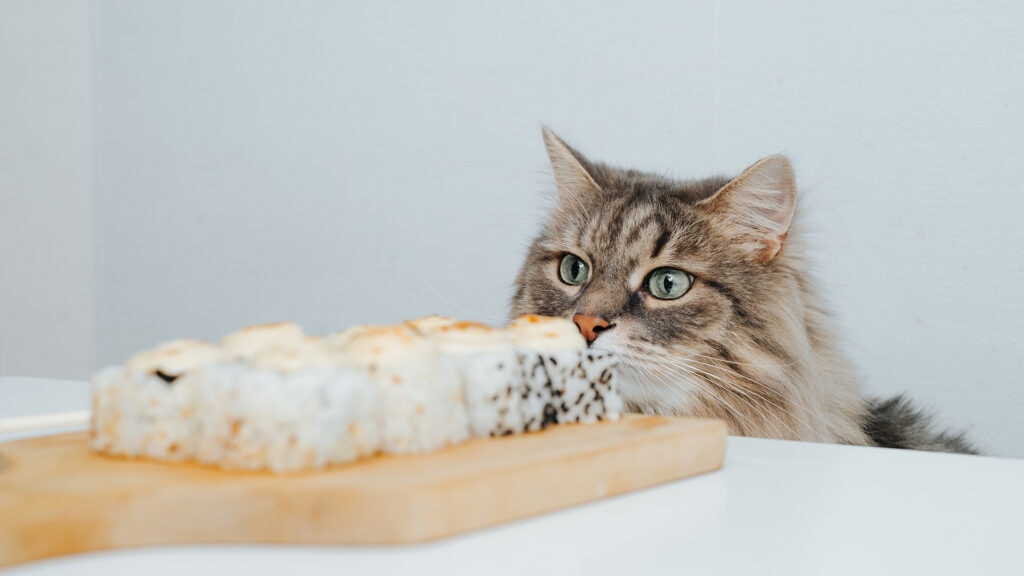
Photo by Sergey Dementyev/iStock/Getty Images Plus via Getty Images
If you’re making sushi bowls at home, don’t be surprised if your curious kitty comes sniffing around the nori. But can cats eat seaweed, or is this a sushi ingredient that’s best kept to yourself?
It depends on the type. Plain nori, kelp supplements, and salty seaweed snacks are very different things, and some can pose risks for cats. Plus, your cat’s complete diet already provides all the nutrition they need.
Here’s what to know before letting your kitty have a taste of seaweed.
Before introducing any new food into your cat’s diet, always check with your veterinarian.
Key Takeaways
- With your vet’s OK, cats can eat some types of seaweed, like plain unseasoned nori, in small amounts. But seaweed isn't something your kitty needs.
- Not all seaweed is created equal, and there's no one-size-fits-all serving recommendation. Kelp supplements, in particular, can pack a lot of iodine, which may affect your cat's thyroid health.
- Keep seasoned seaweed snacks, sushi leftovers, and seaweed collected from the ocean off your kitty's snack list. These can contain potentially harmful ingredients or contaminants.
- If your curious kitty gets into a large or unknown amount of seaweed, contact your veterinarian for guidance.
Can Cats Have Seaweed?
Yes, some cats can have a small taste of plain, unseasoned seaweed with your vet’s OK. But the type of seaweed matters, and not everything in your pantry is safe for your kitty.
Here’s a quick breakdown:
- Plain nori: A tiny piece of this sushi-wrapping seaweed may be OK for some cats as long as it has no added salt, oil, or seasonings. Check with your vet first to be on the safe side.
- Kelp and other seaweeds: Varieties like kelp, wakame, and kombu can contain high amounts of iodine, so avoid offering them without veterinary guidance, particularly if your cat has hyperthyroidism.
- Seasoned seaweed snacks: Skip anything with added salt, oil, or spices, especially garlic or onion, which are toxic to cats.
- Sushi rolls and wild seaweed: Keep sushi leftovers and beach finds away from your kitty. They can contain unsafe ingredients or contaminants.
If your kitty loves a taste of the sea, you can skip the seaweed and try these fishy cat treats instead:
Recommended Products
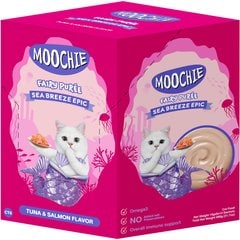
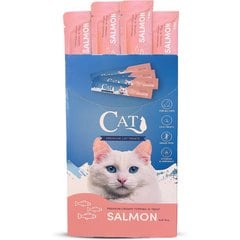
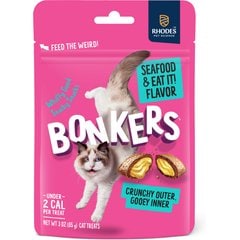
Is Seaweed Good for Cats?
Seaweed contains minerals like iodine, calcium, and magnesium, along with fiber and other plant compounds.
Some early research suggests seaweed supplements may support gut health and coat quality in cats. But these studies used specially formulated supplements, so the findings don’t necessarily apply to feeding your kitty plain seaweed.
Plus, cats eating a complete and balanced diet already get the nutrients they need. Adding more isn’t necessarily better, especially when it comes to iodine, which can affect thyroid health.
Is Seaweed Bad for Cats?
Seaweed isn’t always a harmless snack for your kitty. Depending on the type, amount, and added ingredients, it can come with some risks. Here’s what to look out for:
- Concentrated iodine: Kelp and other iodine-rich seaweed supplements can affect thyroid hormone levels. This is especially concerning for cats with hyperthyroidism and those on veterinary diets designed to treat the disease.
- Sneaky seasonings: Those crispy seaweed snacks might look harmless, but they can contain added salt, oils, and spices. Onion and garlic are especially dangerous because they can damage your cat’s red blood cells.
- Beachside finds: That seaweed washed up on shore is best left for the seagulls. It may contain sand, debris, or contaminants that aren’t safe for your cat.
- Tummy troubles: Seaweed contains fiber, and too much of certain types offiber can cause gas or diarrhea in cats. Your kitty may be especially sensitive if they’re not used to eating it.
How Much Seaweed Can My Cat Eat?
Stick to a tiny piece of nori as an occasional treat, as long as it’s OK with your vet. Kelp powders and other seaweed supplements are a different story and should only be given if they’re specifically recommended by your vet.
When it comes to seaweed, less is definitely more. There’s no established serving size for cats, and the amount that’s safe depends on the type of seaweed, its iodine content, and your cat’s individual health.
How To Safely Offer Seaweed to Your Cat
A little prep can help keep snack time safe. Here’s what to do:
- Check the label. Make sure you know exactly what type of seaweed you’re offering and that it’s free of added salt, oils, and seasonings.
- Keep portions tiny. Stick to the amount your vet recommends.
- Break the seaweed into tiny, easy-to-eat flakes so your kitty doesn’t have to wrestle with a whole sheet.
- Watch for tummy troubles. If something seems off, stop giving your cat seaweed and check in with your vet.
My Cat Ate Too Much Seaweed—What Do I Do?
If your cat ate a large or unknown amount, got into a concentrated supplement, or shows signs of digestive upset, contact your vet. On the other hand, if your cat just took a bite or two of plain nori, they should be fine.
Keep an eye out for vomiting, diarrhea, or loss of appetite, including refusing meals or showing less interest in food than usual.
If the seaweed contains potentially toxic ingredients such as garlic or onion powder, don’t wait for symptoms. Call your vet or Pet Poison Helpline (855-764-7661) right away.
FAQs About Seaweed for Cats
Can cats eat nori?
Yes, your vet may say it’s OK for your cat to have a small taste of plain nori. Just check the label first, since some seaweed snacks contain added salt, oil, and other seasonings, like garlic and onion, that can be toxic to your kitty.
Can cats eat kelp powder?
Not unless their vet recommends it. Kelp powder is often packed with iodine, and too much may interfere with thyroid health.
Does seaweed clean cats’ teeth?
Don’t count on seaweed to clean your cat’s teeth. While some seaweed-based dental products are marketed for oral health, munching on seaweed isn’t the same or a substitute for regular brushing and veterinary dental care.
Can kittens eat seaweed?
It’s best to skip seaweed for your growing kitten. Their little bodies need the right balance of nutrients, which they’ll get from food formulated for growth. Extra minerals from seaweed or supplements can throw off that balance.
Attributions
This article was created with assistance from AI tools. The content has been reviewed for accuracy and edited by a human.