13 Hypoallergenic Cats for People With Allergies


Photo by Chewy
If you love cats but sneeze every time one curls up nearby, you’re not alone. While no feline is completely allergen-free, some “hypoallergenic” cats produce fewer of the proteins that trigger allergic reactions.
These cat breeds could make life a little easier for people who want to share their home with a furry friend.
Key Takeaways
- No cat is completely hypoallergenic, but certain breeds produce less of the Fel d 1 protein that causes cat allergies.
- Hairless and low-shedding breeds, like the Sphynx, Balinese, or Russian Blue, are often considered the best cats for allergies.
- Managing your allergies by brushing your cat, vacuuming your home, and using an air purifier might still be needed even with “hypoallergenic” cat breeds.
Are There Hypoallergenic Cats?
Technically, no cat is 100% hypoallergenic.
Cat allergies are caused by a protein called Fel d 1, which is found in cats’ saliva, skin, and dander. When cats groom themselves, this protein spreads onto their fur and into the air.
However, some cat breeds naturally produce less of the allergen or have coats that shed and spread it less widely. These “hypoallergenic” cat breeds can be a better fit for sensitive pet parents.
What Cats Are Hypoallergenic?
From sleek, low-shedding coats to hairless breeds, these are some of the best cats for allergies.
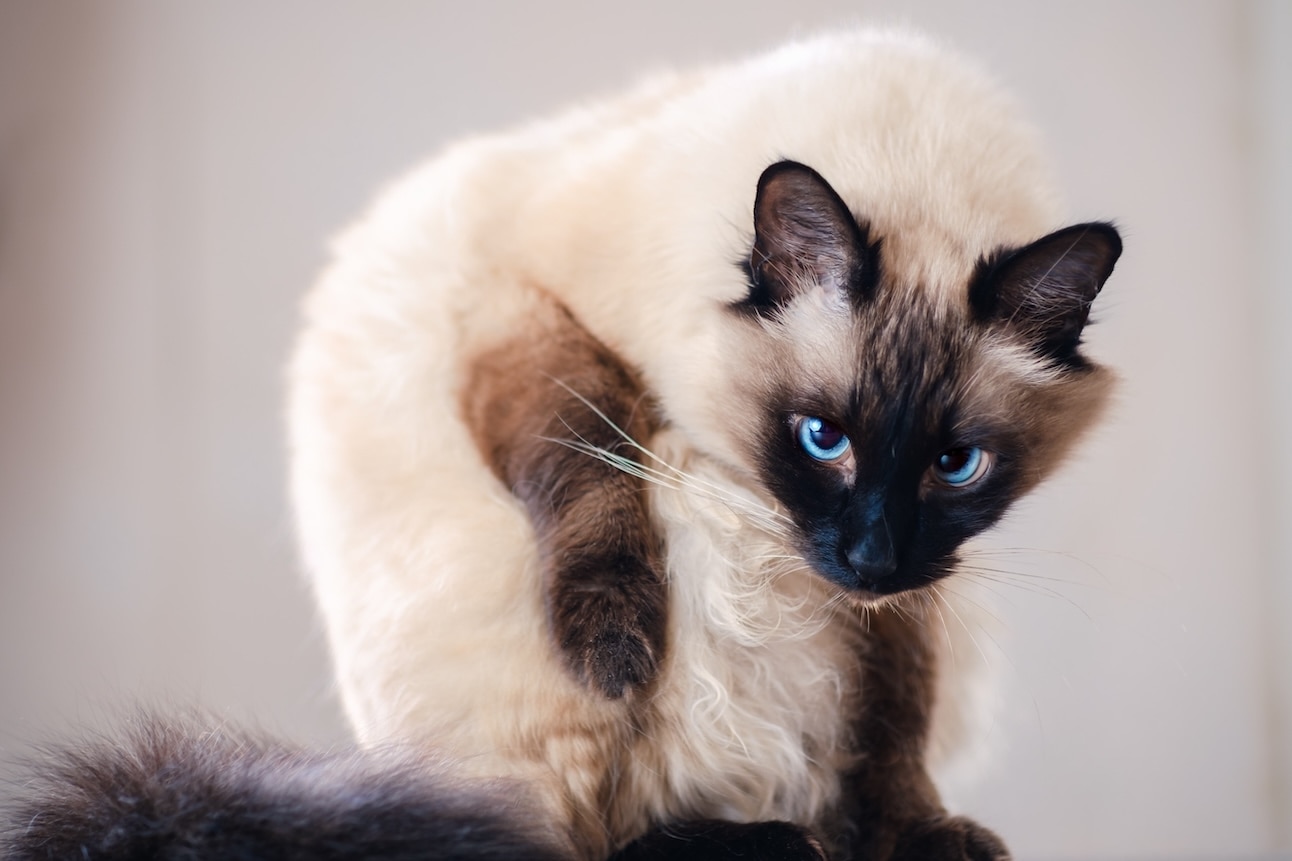
1. Balinese
Adobe/bravissimos
- Size: Medium
- Lifespan: 10–15 years
- Temperament: Social, affectionate, intelligent
Often called the “long-haired Siamese,” the Balinese cat produces less Fel d 1 protein than many other felines, which can make them a good cat for people with allergies.
Balinese are playful cats who thrive on interaction and form close bonds with their families, often following you from room to room. Their fine, silky coat rarely mats and—despite its length—requires only a weekly brushing session to stay beautiful.
Recommended Product
2. Bambino
Adobe/Anne Richard
- Size: Small
- Lifespan: 9–15 years
- Temperament: Playful, outgoing, curious
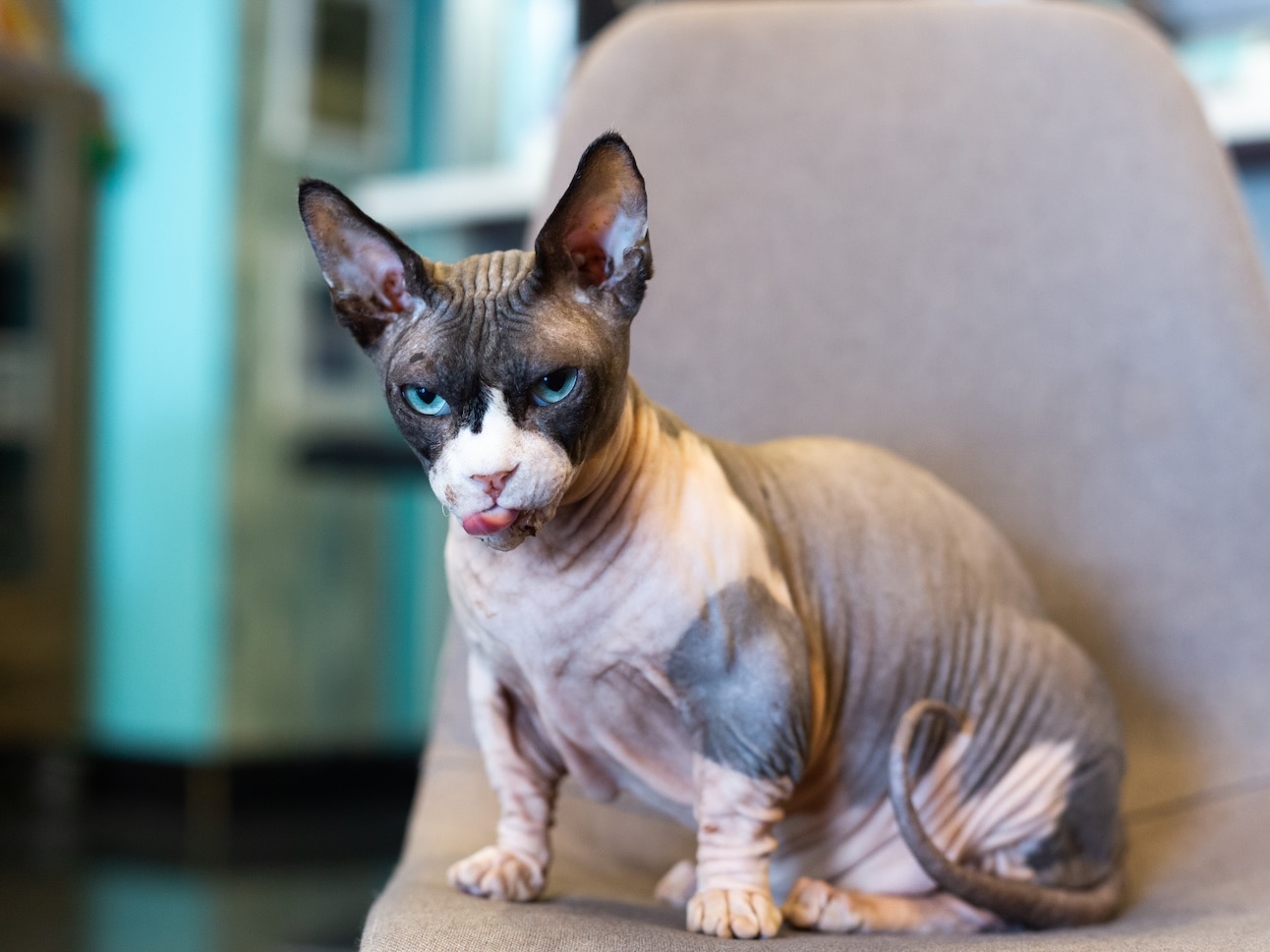
The Bambino is a hairless hypoallergenic cat with itty-bitty legs, thanks to their Munchkin ancestor.
Despite their small stature, Bambinos are active, social, and enjoy climbing and exploring just like much larger cats. Because they lack fur, you’ll need to give them a bath to keep their skin clean.
3. Bengal
Michele Pevide/iStock / Getty Images Plus via Getty Images
- Size: Medium to large
- Lifespan: 12–16 years
- Temperament: Energetic, intelligent, confident
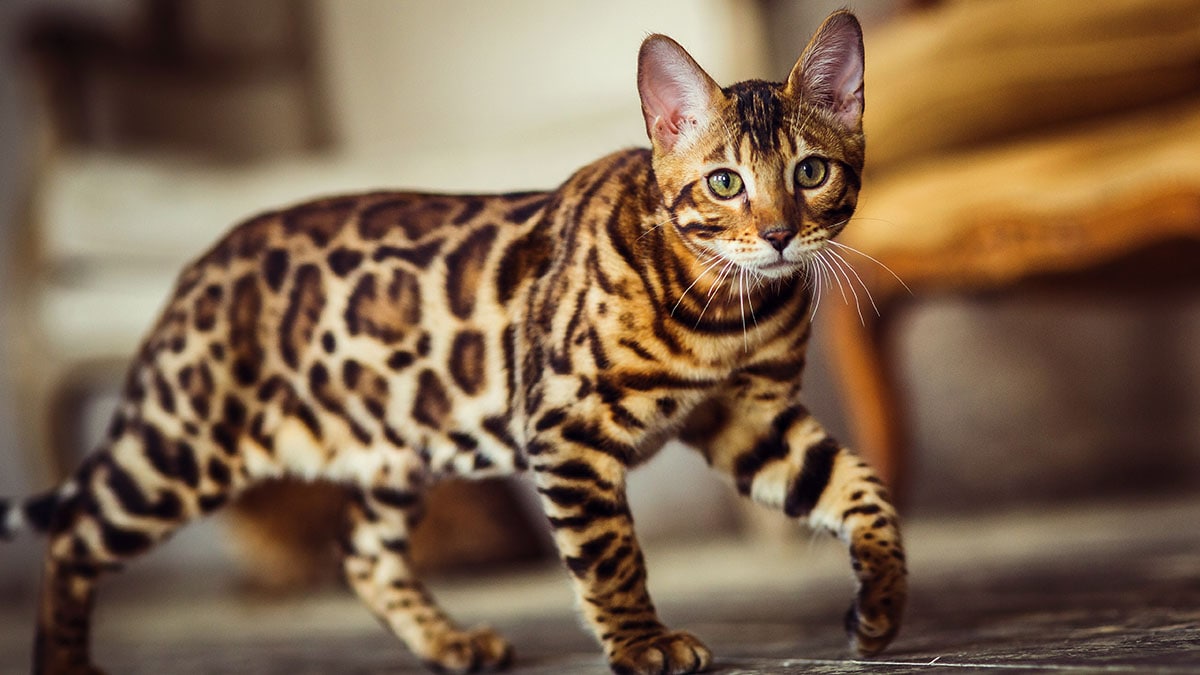
The Bengal is one of the most unique and beautiful cat breeds out there. Created by crossing domestic cats with Asian leopard cats, Bengals are large, spotted cats who look like mini leopards. They’re also one of the best hypoallergenic cats.
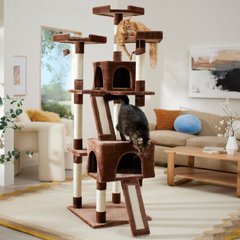
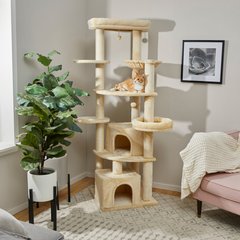
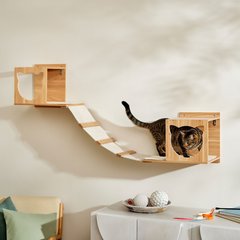
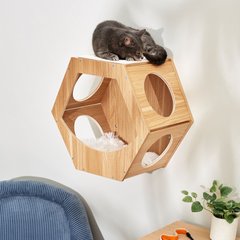
But Bengals aren’t for everyone. They’re highly intelligent and energetic felines that benefit from lots of interactive play and climbing spaces, like extra-large cat trees and cat shelves, to channel their curiosity.
Recommended Products
4. Burmese
frankiefotografie/E+ via Getty Images Plus
- Size: Medium
- Lifespan: 10–17 years
- Temperament: Friendly, loyal, people-oriented
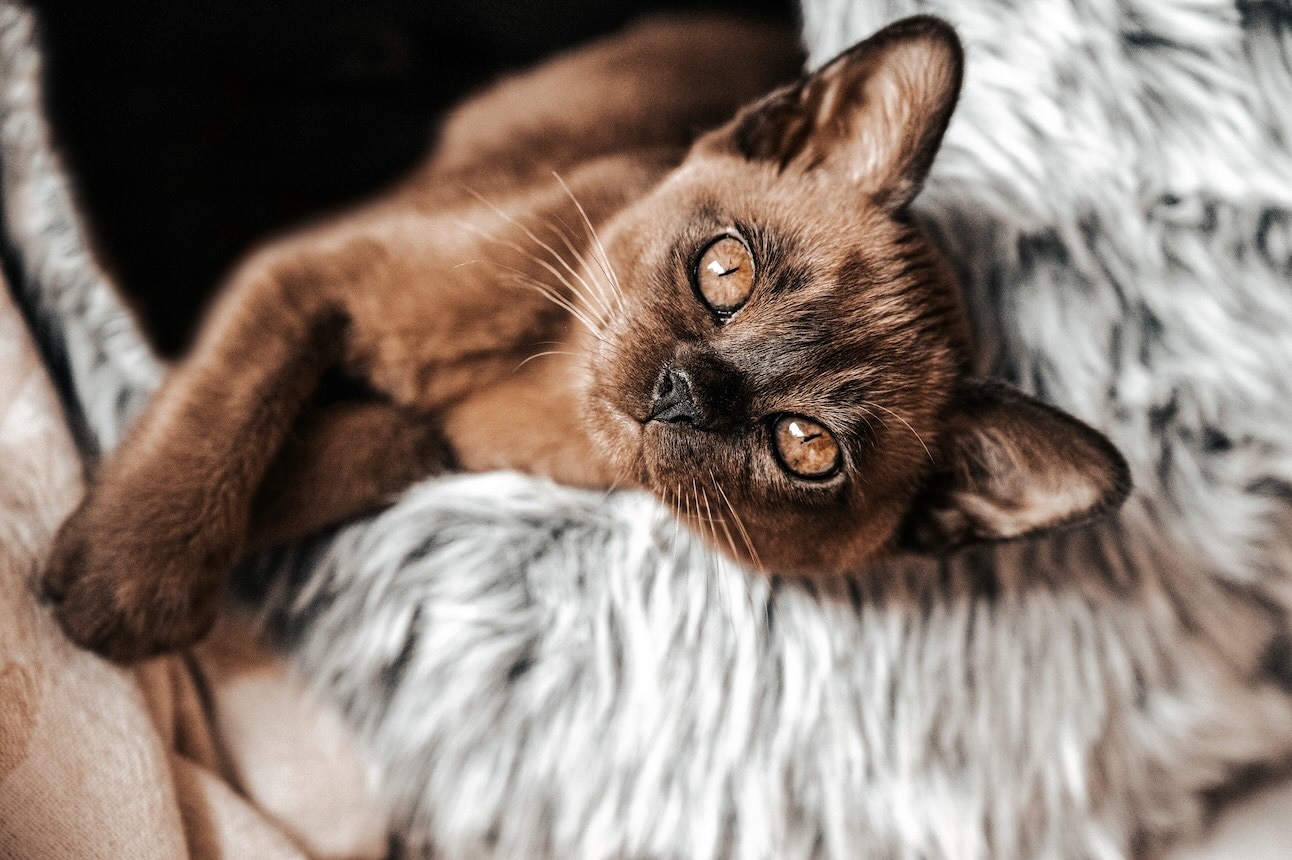
Burmese cats have a glossy, fine coat that doesn’t shed much, making them easier to live with if you have mild cat allergies.
They’re known for their strong attachment to their humans and often prefer to be wherever you are. Their affectionate and loyal personality makes them an ideal lap cat for those wanting companionship.
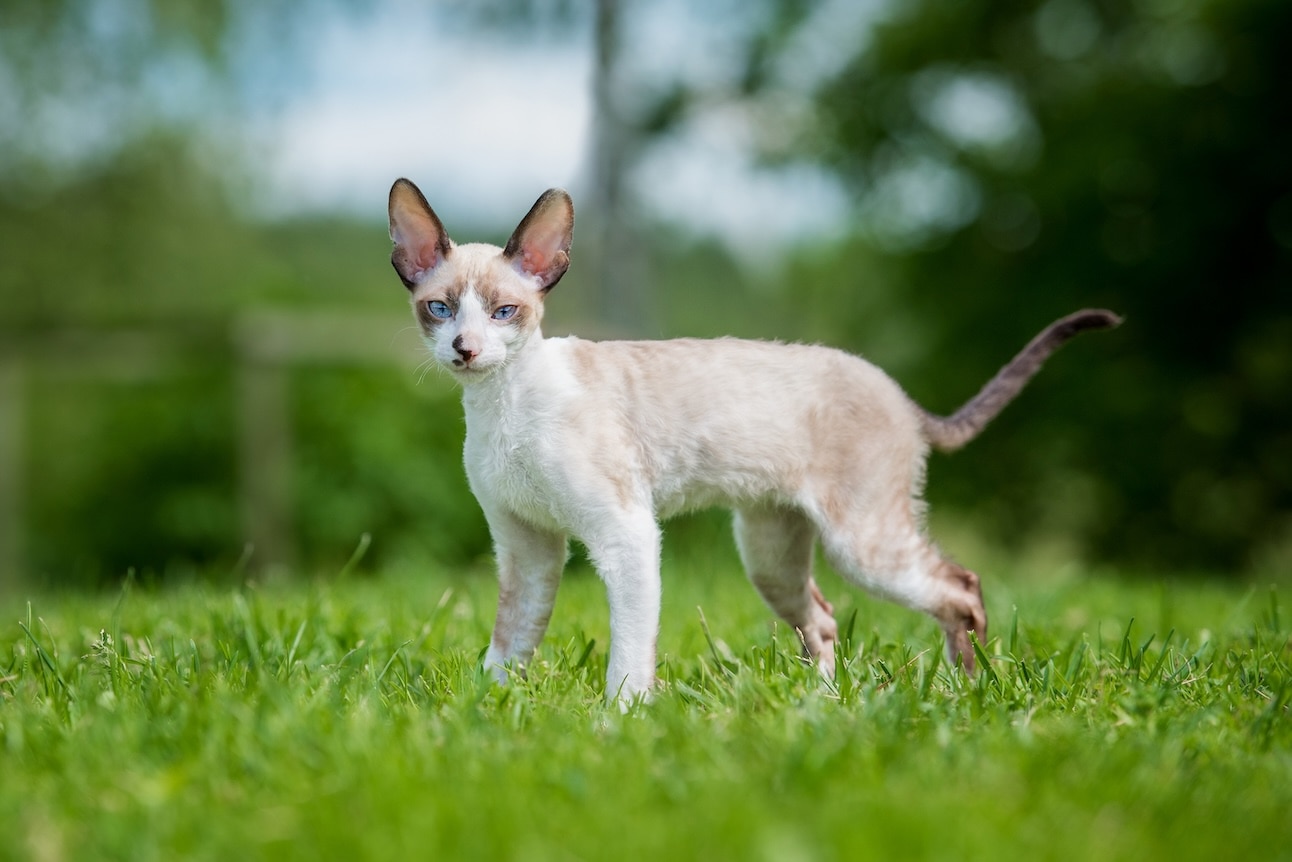
5. Cornish Rex
Adobe/Rita Kochmarjova
- Size: Small to medium
- Lifespan: 12–15 years
- Temperament: Active, affectionate, curious
The Cornish Rex has only a soft undercoat of downy fur, instead of the typical triple coat most kitties have. This limited coat reduces shedding and dander spread, earning them the reputation as a hypoallergenic cat.
Cornish Rexes are energetic cats who enjoy games, high perches, and being the center of attention. Daily playtime—and lots of cat toys—is a must.
Recommended Products
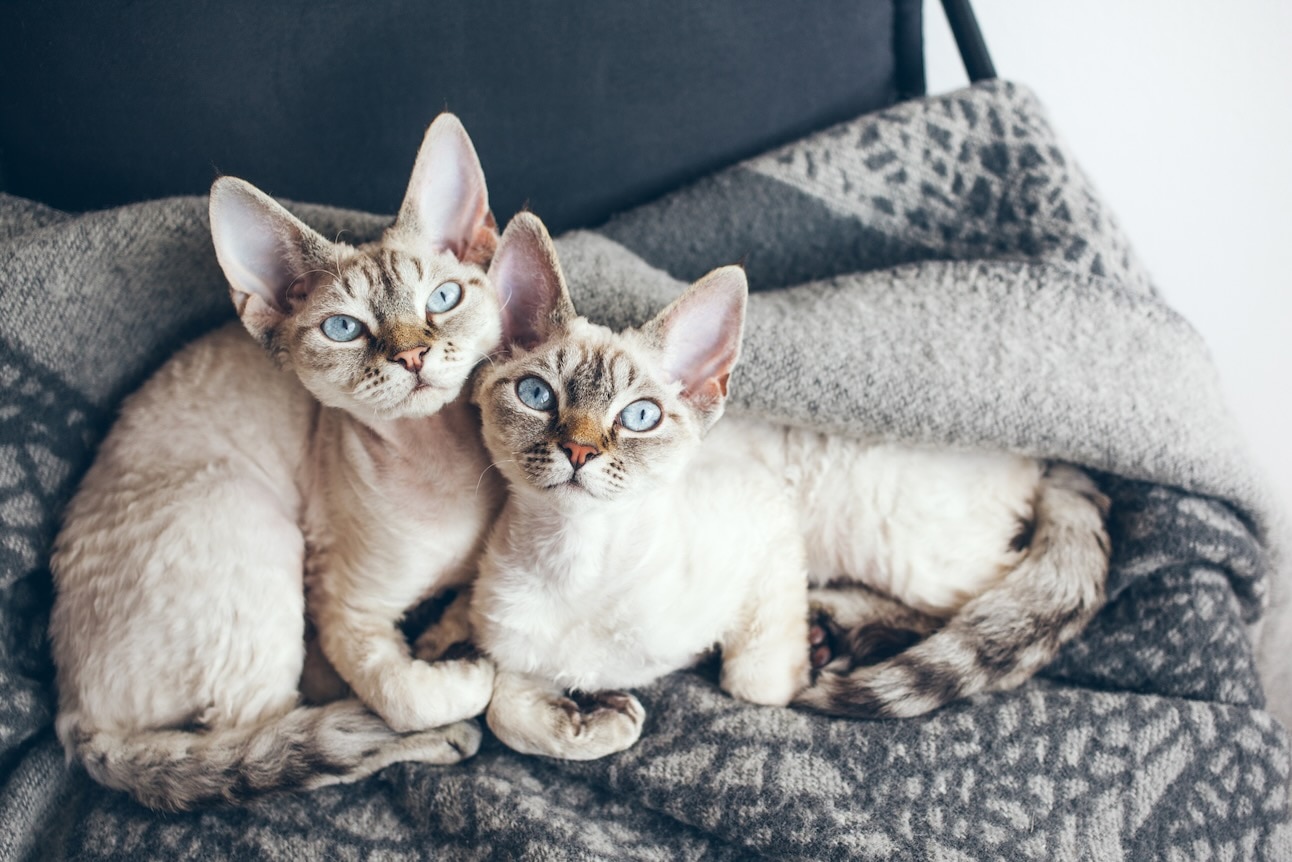
6. Devon Rex
insonnia/iStock / Getty Images Plus via Getty Images
- Size: Small to medium
- Lifespan: 10–15 years
- Temperament: Playful, affectionate, mischievous
The Devon Rex looks a lot like the Cornish Rex; they, too, have soft, curly fur that clings close to their body and sheds very little. Like the Cornish Rex, Devons are bright, lively, and love social interaction. They might even choose to curl up on your shoulder.
7. Javanese
Adobe/Valerie Garner
- Size: Medium
- Lifespan: 10–15 years
- Temperament: Intelligent, social, talkative
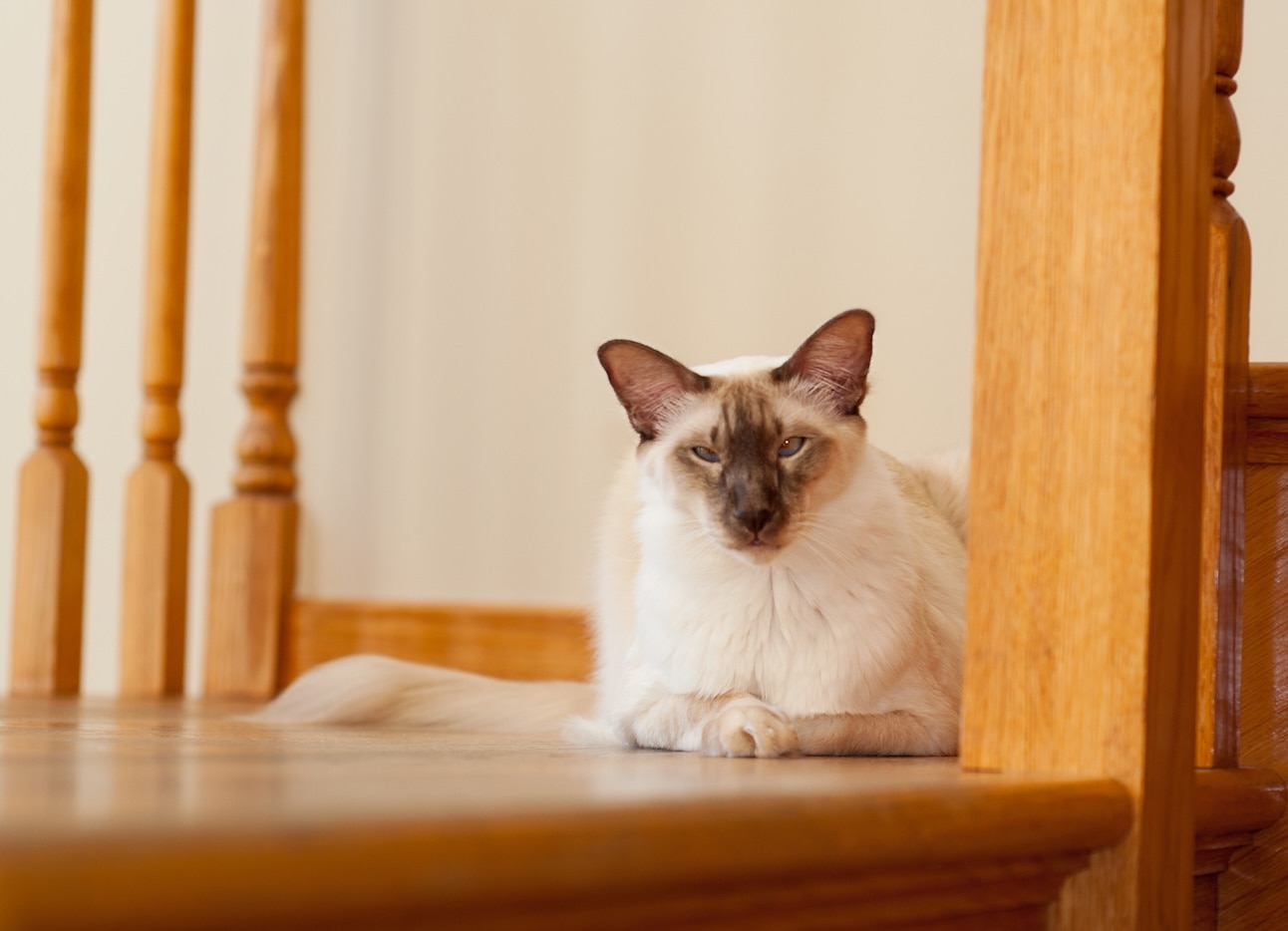
The Javanese cat sports a single, fine coat that lacks an underlayer, meaning less shedding and fewer airborne allergens.
Known for their intelligence and vocal nature, these cats enjoy puzzle toys and chatting with their humans. Regular brushing helps maintain their silky coat and reduces dander even further.
Recommended Products
8. Oriental Shorthair
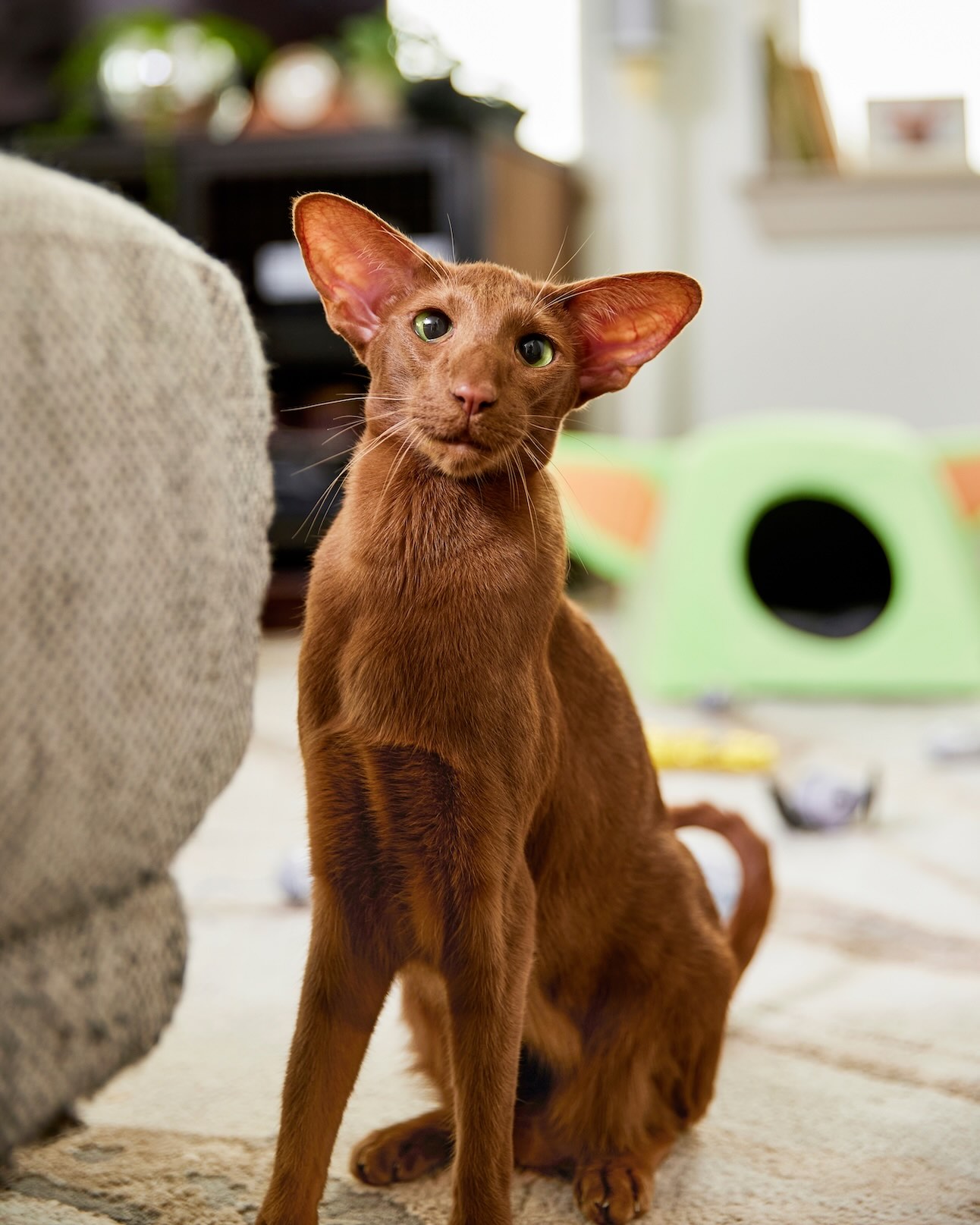
Photo by Chewy
- Size: Medium
- Lifespan: 10–15 years
- Temperament: Social, vocal, affectionate
A slender cat with big eyes and bat-like ears, the Oriental Shorthair has a short, smooth coat that lies close to the body. They’re social and expressive cats who thrive in lively, energetic households.
Expect this hypoallergenic cat breed to form strong attachments and communicate frequently through their distinctive, almost goose-honk-like meow.
9. Russian Blue
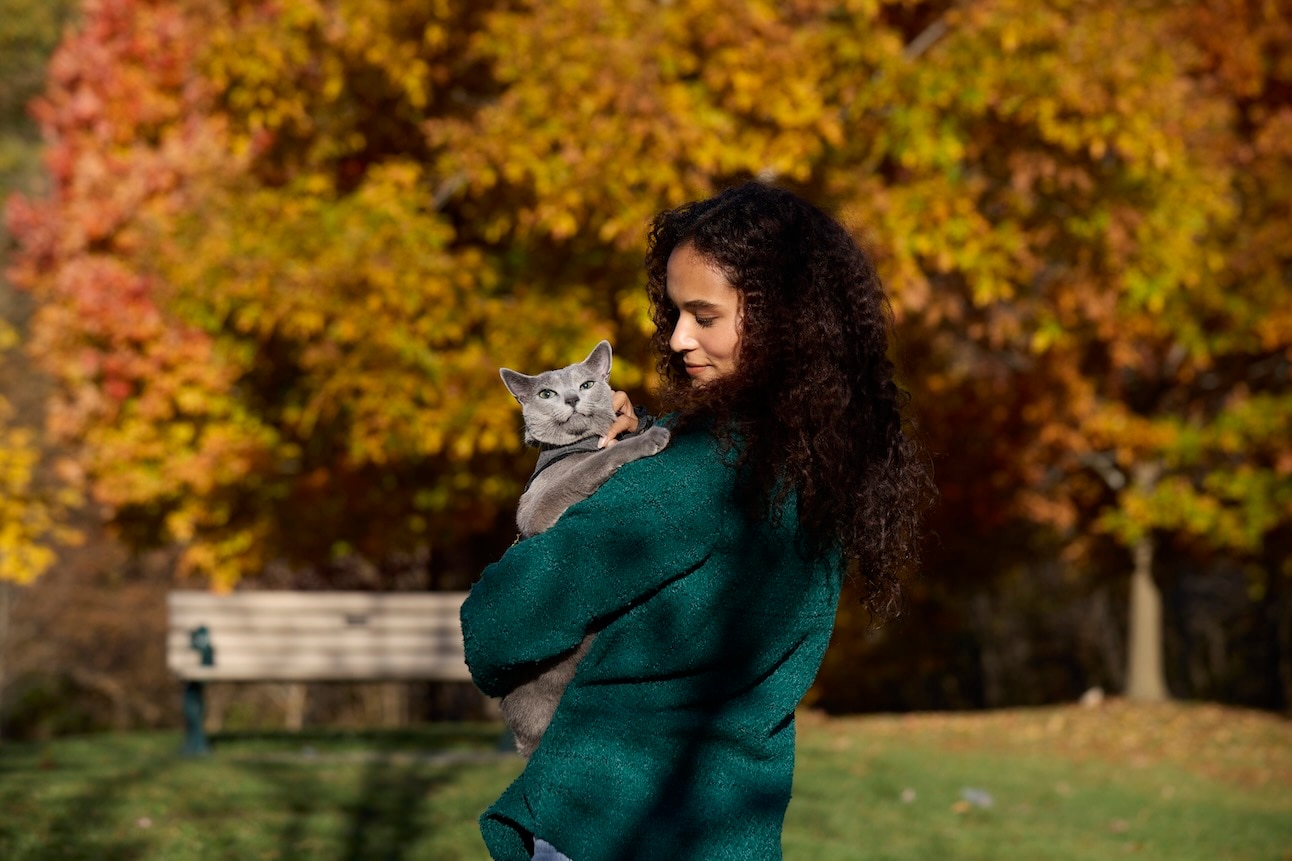
Photo by Chewy
- Size: Medium
- Lifespan: 10–20 years
- Temperament: Gentle, loyal, reserved with strangers
The Russian Blue is prized for their plush double coat that sheds surprisingly little—yours might not even need to be brushed! Their calm, gentle nature suits quiet homes, and their affectionate loyalty often leads them to form close, lifelong bonds with their pet parents.
10. Siamese
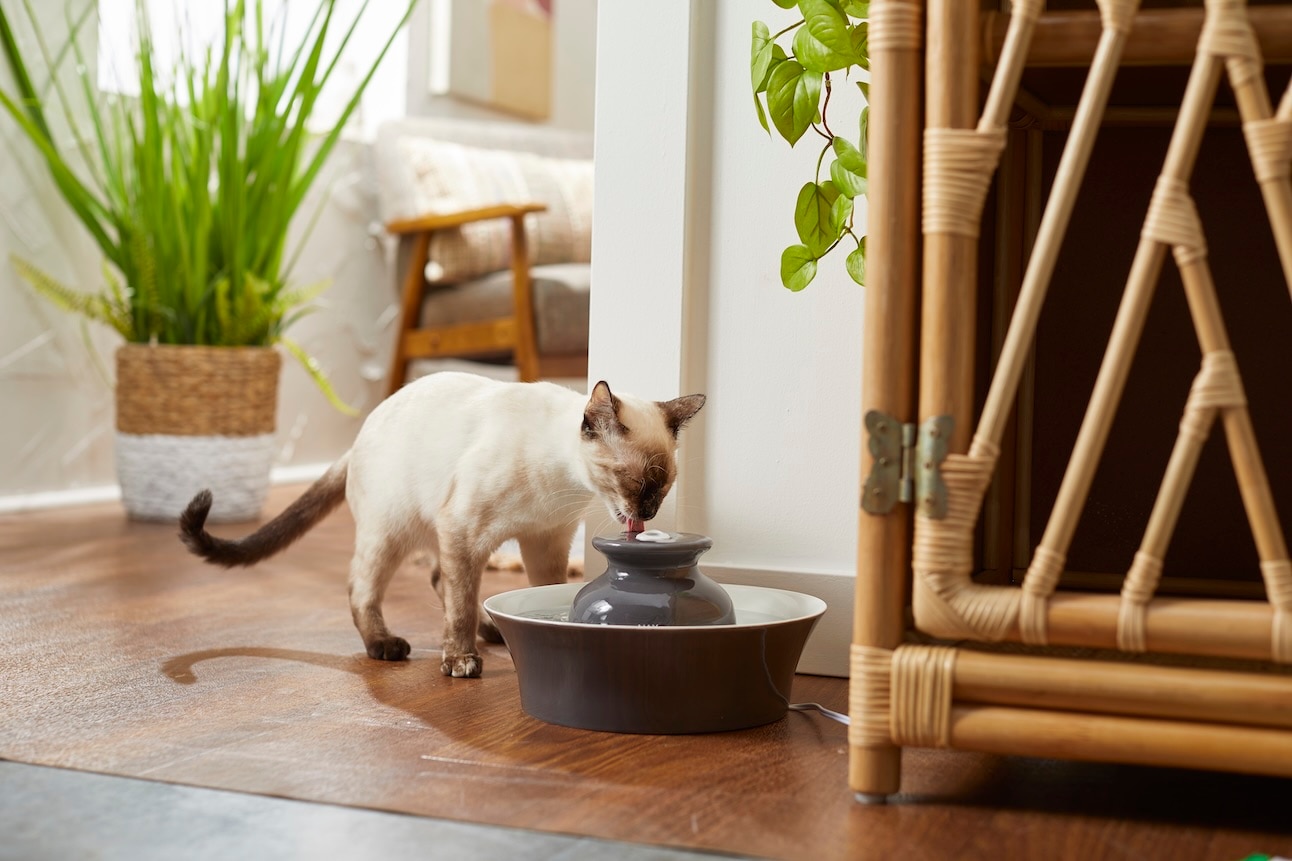
Photo by Chewy
- Size: Medium
- Lifespan: 12–20 years
- Temperament: Affectionate, chatty, curious
It’s easy to recognize the Siamese. This cat has a short, color-point coat, meaning their ears, face, paws, and tail are a darker color than the rest of their body. They also have big blue eyes and a reputation for being extremely affectionate—and extremely talkative—kitties.
While they’re not the most hypoallergenic cat breed, Siamese shed less than the typical feline, making them a good fit for some people with allergies.
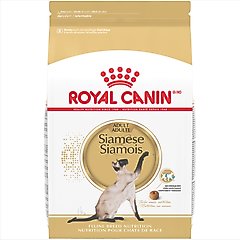
Keeping Siamese cats at a healthy weight is an important part of their care. Your vet may recommend a breed-specific cat food, such as Royal Canin Breed Nutrition Siamese Adult Food.
Recommended Product
11. Siberian
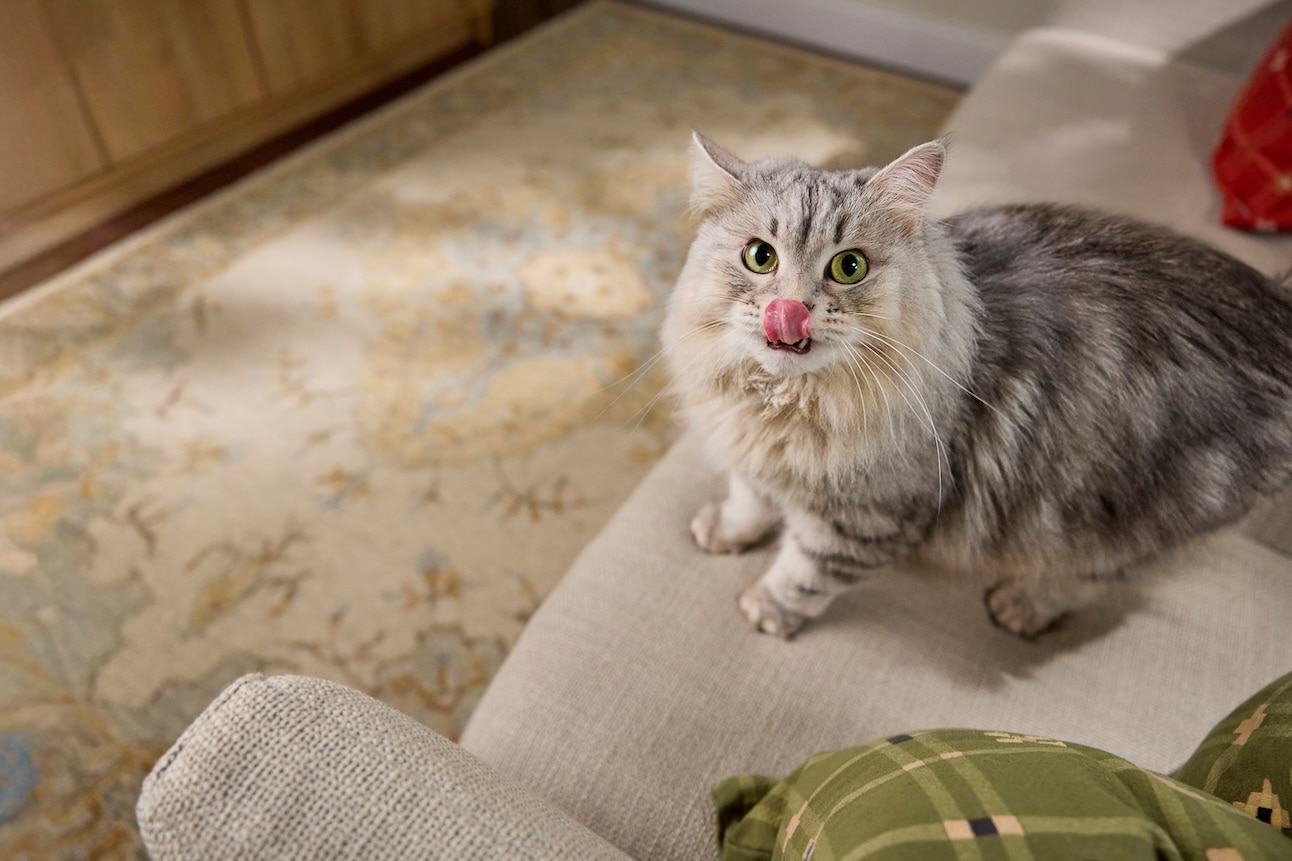
Photo by Chewy
- Size: Medium to large
- Lifespan: 10–18 years
- Temperament: Calm, intelligent, affectionate
Despite having a lot of long fur, Siberians are surprisingly good cats for allergies. But their fluffy coat needs a lot of brushing, so be prepared for daily grooming.
If you can keep their fur tangle-free, Siberians make gentle, smart, and adaptable cats who enjoy both playtime and quiet companionship.
12. Sphynx
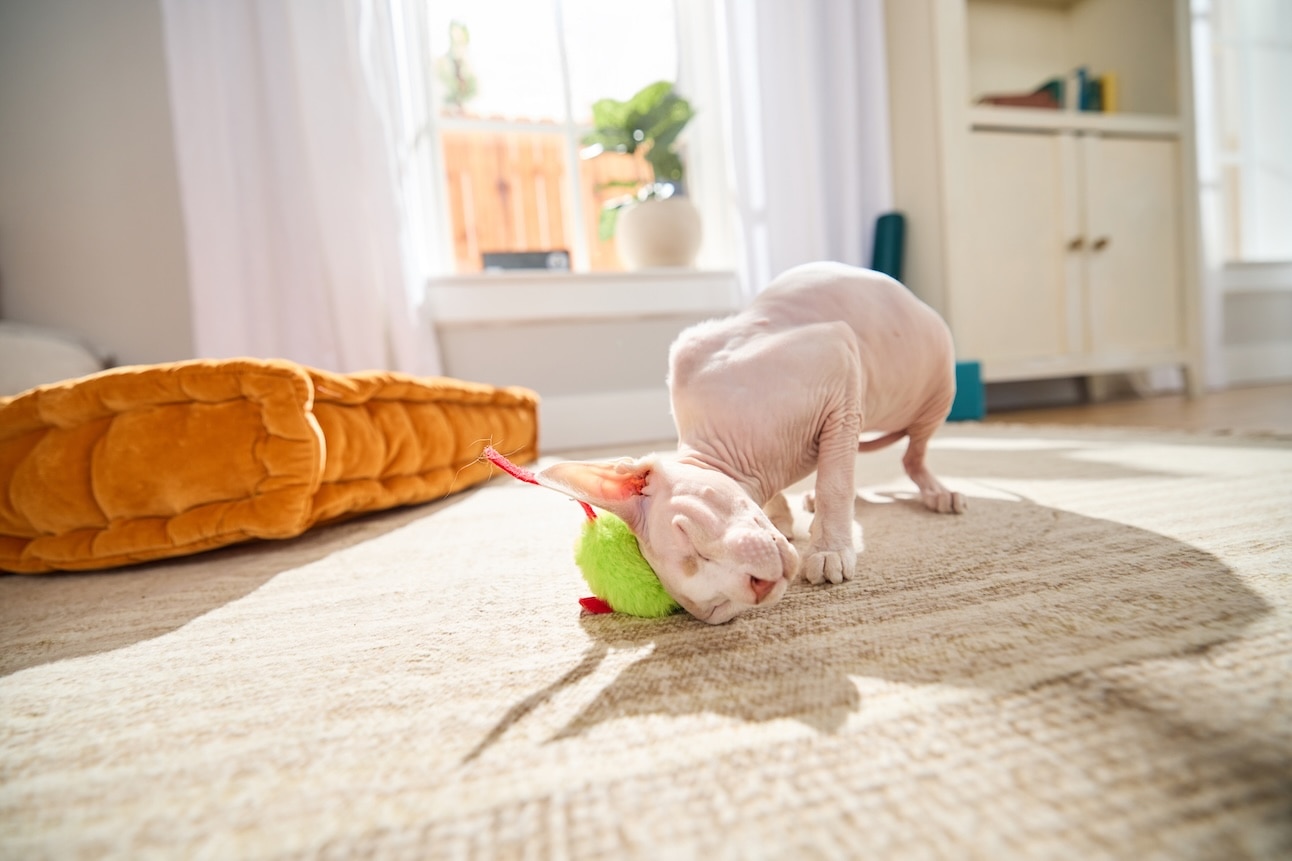
Photo by Chewy
- Size: Medium
- Lifespan: 9–15 years
- Temperament: Friendly, energetic, affectionate
The Sphynx is a hairless hypoallergenic cat, so they’re one of the greatest options for people with allergies.
However, their exposed skin comes with some special considerations. For one, Sphynxes need regular baths to keep their skin healthy. They’ll also need protection, either as cat-safe sunscreen or clothing, to avoid sunburns.
Recommended Product
13. Tonkinese
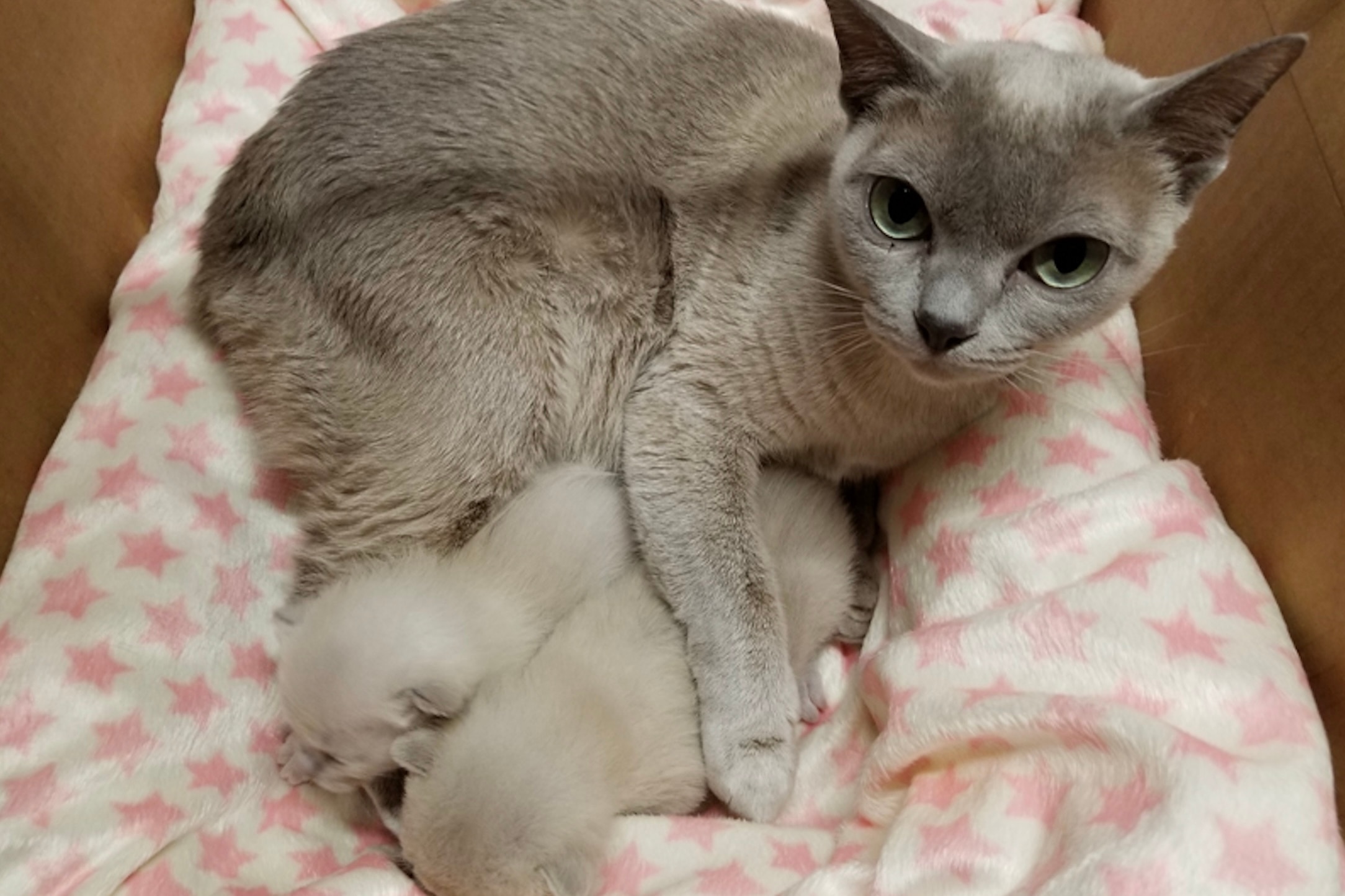
Photo by Takrai Tonkinese
- Size: Medium
- Lifespan: 10–16 years
- Temperament: Outgoing, playful, affectionate
The Tonkinese has a short, fine coat that sheds lightly, is easy to care for, and is easier on cat allergies. –
Tonkinese cats are a cross between Siamese and Burmese cats, combining the best traits of both: intelligence, affection, and a love of play. Their friendly, social nature makes them great companions for families and multi-pet homes.
How To Manage Your Cat Allergies
Even if you have a hypoallergenic cat breed, remember that all felines carry the Fel d 1 protein to some degree. Because of this, you might still sniffle and sneeze a bit around these cats.
To make sure everyone is living comfortably, take some steps to manage your pet allergies:
- Brush your cat often to remove loose fur and dander that would otherwise end up in your home.
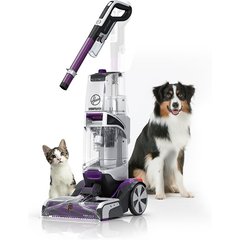
- Vacuum your carpets and upholstery regularly.
Recommended Product
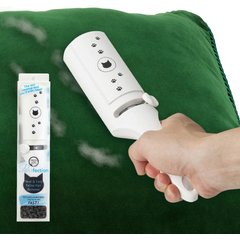
- Use a lint roller to remove fur from your clothing.
Recommended Product
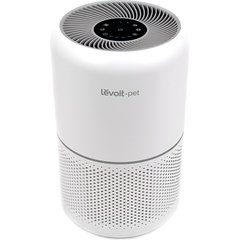
- Use an air purifier to help you breathe easier.
Recommended Product
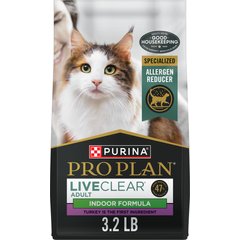
- Feed your cat a food that helps reduce allergens in their hair, like Purina Pro Plan LIVECLEAR.
Recommended Product
While there’s no such thing as a completely allergy-free cat, these breeds may make living with allergies more manageable. With the right match, you can enjoy all the love cats bring—without quite so many sneezes.
Attributions
This article was created with assistance from AI tools. The content has been reviewed for accuracy and edited by a veterinarian.