Are Laser Pointers Bad for Cats?

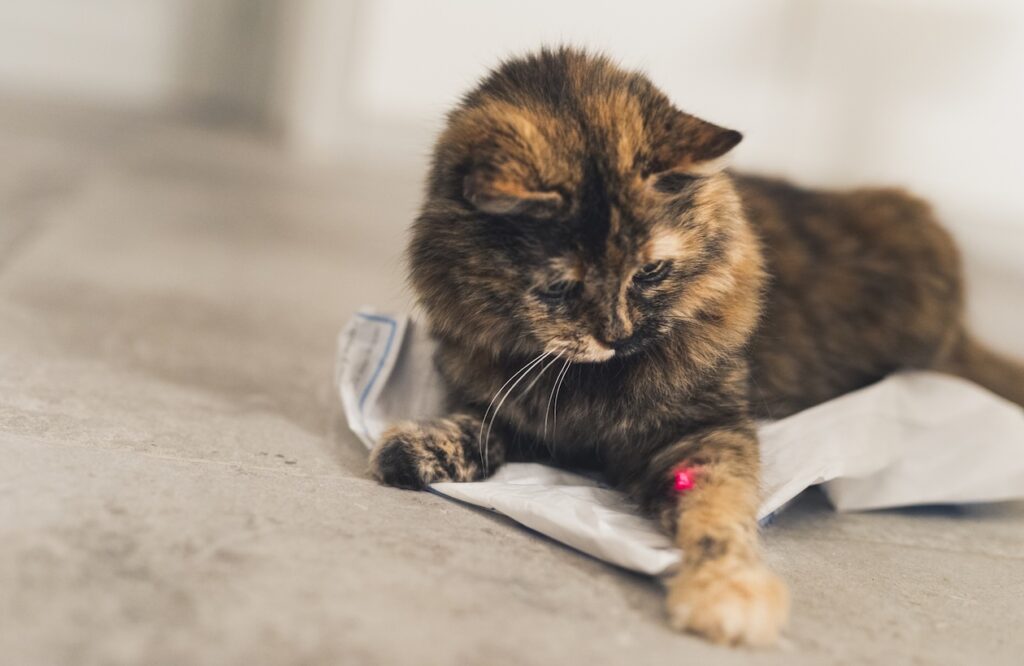
Photo by piranka/iStock/Getty Images Plus via Getty Images
Laser pointers for cats can be a fun way to bond with your kitty and give them exercise and mental stimulation. But if they’re used incorrectly, lasers might do more harm than good. Here’s what to know about cat laser pointers.
Key Takeaways
- Laser pointers can be safe, fun toys for cats when used correctly.
- Cats may become frustrated when they chase a laser but are unable to catch it.
- Pairing laser pointers with physical cat toys or treats helps your cat get the most out of this play.
- Make sure you never shine the laser into your cat’s eyes.
Why Do Cats Like Laser Pointers?
Cats are generally drawn to lasers for two reasons:
- The bright light is easy for them to see
- The laser’s movement (changing direction and speed quickly) mimics small rodents and insects
When a cat sees the laser move, it triggers their hunting instinct to go after small prey they might eat in the wild. You may see a cat stalk and pounce on a laser spot during the play session, just like they would do to a mouse or an insect.
The drive to hunt for food is very strong even in domestic cats, so they will closely watch and often attempt to chase anything that could be a small, live prey animal.
Are Laser Pointers Bad for Cats?
Laser pointers are OK to use as toys for cats, but they need to be used correctly.
Laser lights are a fun and easy way to let your cat express their natural hunting behaviors safely without harming local wildlife populations or risking exposures to diseases or toxins. However, when a cat pounces on a laser spot but doesn’t have anything physical to grab, it prevents them from completing the hunting sequence.
In the wild, cats follow a cycle of behavior: They will stalk, chase, catch, and eat their prey, then groom themselves and sleep until it’s time to hunt again.
By preventing a cat from catching their prey, pet parents interrupt this important sequence, which can make cats anxious and frustrated. A 2021 study found that this can even lead to compulsive behavior disorders, which are repetitive behaviors that can prevent cats from doing normal activities like eating, grooming themselves, or using their litter boxes properly.
Here are some compulsive behaviors often associated with improper laser light play:
- Spinning
- Tail-chasing
- Chasing lights and shadows
- Constantly staring at lights and reflections
- Hyperfixating on a specific toy
Because of this, laser toys should always be paired with another item, like a treat or a physical cat toy, for your kitty to catch so they can finish the hunting sequence.
Tips for Playing With Laser Pointers
If you do decide to incorporate laser pointers into your play sessions with your cat, there are a couple of things you can do to make sure the play is enjoyable for everyone.
Recommended Products

1. Don’t Shine It in Your Cat’s Eyes
Angle the laser beam away from your cat’s face so that the light doesn’t hurt their eyes.
Direct exposure to laser beams can cause temporary blindness or permanent blind spots in your cat’s field of vision. It can even burn or scar your cat’s retinas at the backs of their eyes, which can decrease their eyesight and be painful.
2. Don’t Let Your Cat Chew on the Pointer
It’s also important not to let your cat chew on the laser pointer. The device could break and you cat could swallow small plastic pieces or puncture or swallow the battery, risking physical or chemical injury to their mouth or digestive tract.
3. Pair the Laser With Another Toy or Treat
Laser toys should always be paired with another toy or treat that your cat can capture. This helps them complete the hunting sequence and feel satisfied.
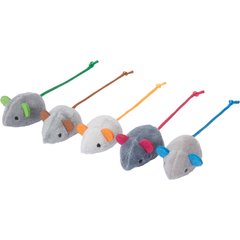
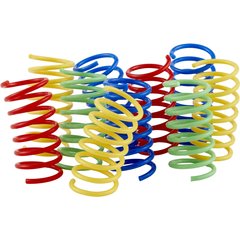
Catnip mice, crinkle balls, and plastic spring toys make great objects to direct the laser spot toward. This allows your cat to land on something real that they can grab when chasing the laser light.
Recommended Products

You can also scatter treats like Temptations on the ground and point the laser light near them to encourage your cat to go after the treats. This lets your cat feel fulfilled when playing with the laser toy. Just make sure treats never make up more than 10% of your cat’s daily calories!
Recommended Products



When used correctly, laser pointers can be a fun and interactive way to play with your cat and ensure they’re able to express normal hunting behavior.
FAQs About Cats and Laser Pointers
Is it OK to play with your cat with a laser pointer?
Yes, it is OK to use laser pointers to play with your cat. Just make sure to pair the laser pointer with a toy or treat that your cat can enjoy after “catching” the laser spot so they can complete their natural hunting sequence.
Do vets recommend laser pointers for cats?
Most vets recommend laser pointers for cats as long as pet parents use treats or other toys like catnip toys, crinkle balls, or spring to allow cats to grab something tangible after they “catch” the laser spot.
Do lasers overstimulate cats?
Some cats may become overstimulated by lasers. Laser spots move very quickly, which can be a lot for some cats to handle. It’s important to always be aware of signs of overstimulation in your cat.
What do cats think laser pointers are?
Cats often perceive laser pointers as small prey animals that change speed and direction quickly, like a mouse or small insect scurrying along the ground or up the walls. This is why cats are attracted to laser spots. The spots activate a cat’s natural prey drive and hunting instincts to chase small animals.