Does My Cat Love Me? 8 Signs Your Cat Loves You


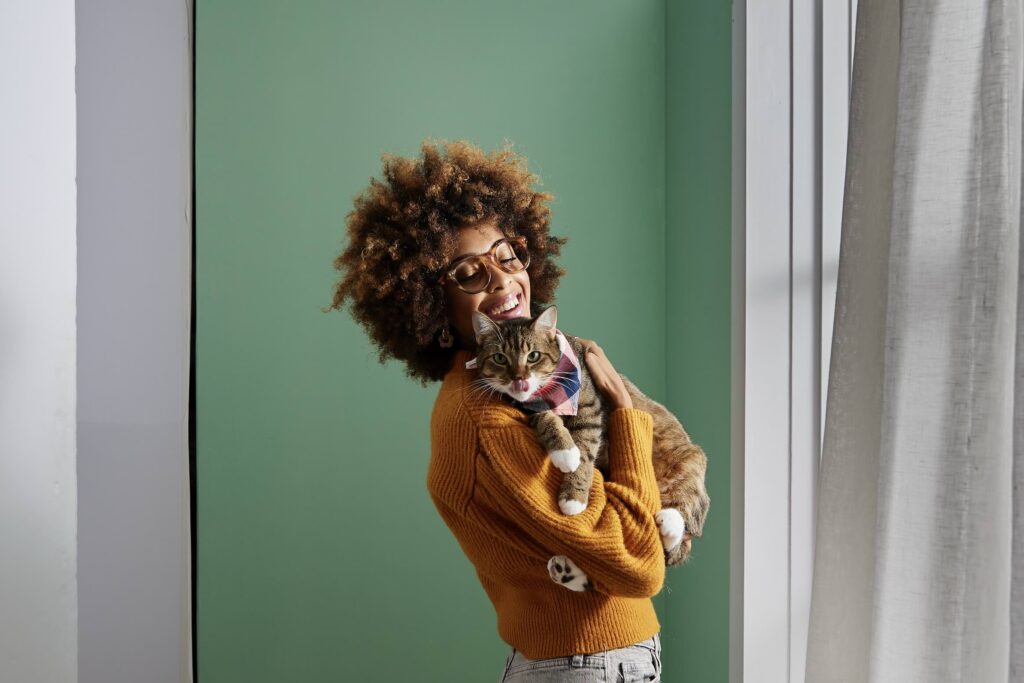
Photo by Chewy
Cats have a love language that’s surprisingly subtle, wonderfully weird, and often easy to miss.
Like many cat parents, you’ve probably wondered, “Does my cat love me?” Here’s what feline behavior experts say, including all the ways your cat secretly shows affection.
Key Takeaways
- Cats can form strong emotional bonds with their people and often show affection in subtle ways.
- Slow blinks, head butts, purring, and grooming are common signs your cat trusts and loves you.
- Cats may show affection by staying close, bringing you toys, or rubbing against you to share their scent.
- Building your bond starts with meeting your cat's physical and emotional needs while respecting their boundaries.
- Daily play, proper nutrition, regular veterinary care, and an enriching environment can help strengthen your relationship with your cat.
Do Cats Feel Love?
Yes! While love may look and even feel different across species, cats can form strong emotional bonds with their people—bonds that we might reasonably describe as love.
The biological evidence behind those close social bonds is there, too, says Vanessa Spano, DVM, DACVB, senior veterinary behaviorist at the Schwarzman Animal Medical Center in New York City.
“The sensation of love and close social bonding stems from neurochemical transmission in the brain, involving hormones like oxytocin, dopamine, and serotonin,” Dr. Spano explains. “Cats have all of these neurochemicals.”
Morgan agrees, citing a study by neuroscientist Dr. Paul J. Zak, Ph.D., for a BBC2 documentary, “Cats v Dogs,” in which cats’ oxytocin levels (the hug, cuddle, bonding, trust hormone released in a mother bonding with an infant) increased by 12 percent after 10 minutes of playtime with their pet parents.
Does My Cat Love Me?
Yes, your cat probably “loves” you, in their own special feline way.
In a 2019 study, researchers placed cats in a brief separation-and-reunion test with their caregivers. Two-thirds of the cats demonstrated a secure attachment, meaning when their person returned, the cat stayed calm and confidently explored their surroundings while checking in with their human periodically.
What makes that number remarkable is that it’s nearly identical to the attachment rate seen in human infants and their parents in developmental psychology studies. It shows that your cat doesn’t just view you as a food dispenser, but they also see you as their source of safety, comfort, and home.
“Think of a cat less like a hyper-enthusiastic Golden Retriever and more like your witty, emotionally intelligent friend who doesn’t hug everyone at the party but sends you a meme that says, ‘I saw this and thought of you,’” says Colleen Lambo, DVM, a relief veterinarian with Roo. “That’s cat love.”
8 Signs Your Cat Loves You
Because cats rarely make grand gestures, spotting their devotion comes down to recognizing these key body language cues.
They “Slow Blink” at You
If your cat softens their gaze and very slowly closes their eyes, go ahead and return the gesture, Dr. Spano says. You’ve just shared a moment of feline affection.
“It’s like eye contact and a hug rolled into one,” says Dr. Lambo.
But fair warning: Don’t stare your cat directly in the eyes without slow blinking, as this can be a sign of conflict or a threat.
They’re Often Nearby—or “Supervising” You
While some felines cherish their independence more than others, take a quick look around right now—where’s your cat?
Whether they’re curled up on your lap, trailing your heels, or resting in the chair across the room, that closeness is no accident. Cats who feel securely bonded to their person want to share their space, even if they’re not actively cuddling.
They Purr (and Knead) a Lot
Purring—especially when paired with “making biscuits” on your lap or nearby—is a classic sign that your cat feels safe and loved in your presence.
These behaviors stem from early nursing habits that stimulated feelings of deep comfort.
“Purring and kneading are a throwback to kittenhood, showing that cats feel loved and safe,” Dr. Lambo says. They may paw at you and even drool a little when they’re in the zone.
However, kneading doesn’t always mean pure contentment. Cats can also knead due to stress, frustration, or uncertainty, Dr. Spano says. Reading the rest of your cat’s body language and taking in context clues is the best way to tell which one you’re seeing.
They Head Butt You
When your cat bumps their forehead against your arm or rubs their cheeks along your face, take it as a huge compliment.
Cats have scent glands on their cheeks (among other places) that release pheromones, natural chemicals cats use to mark territory, identify what is safe, and promote social bonding. “When they bunt you, they’re marking you as safe and familiar,” Dr. Lambo says.
If your cat offers a bunt, lower yourself to their level and let them rub against your hand, returning the affection with a stroke of the cheek.
They Lie on Your Stuff
Curling up on your belongings allows cats to feel close to you through scent, while also giving them a warm, safe spot to relax.
“Remember, cats have 10,000 to 100,000 times the olfactory capabilities that we do,” Dr. Spano says.
They Bring You Toys or “Gifts”
Sharing resources shows that your cat views you as family.
“This is indicative of some degree of trust—they want to share with you,” Dr. Spano explains, noting that gift-giving evolves from their wild ancestors’ predatory instincts.
They Lick You
Licking, giving kisses, or grooming: Whatever you call it, your cat is engaging in allogrooming—the technical term for grooming another member of their social group.
In the feline world, licking isn’t just about staying clean, it’s a way to create a shared group scent, build trust, and deepen the bond with the members of their social circle, you included.
They Show Small Signs of Affection That Are All Their Own
Cats have a reputation for being aloof, but that’s often a misreading of a genuinely affectionate animal, even if their affection is subtle.
Some more signs that your cat feels comfortable with you may include:
- Lying on the floor in front of you
- Rolling onto their side
- Stretching out
- Giving you an upside-down stare from across the room
Once you start recognizing these smaller gestures, it becomes clear cats aren’t withholding affection—they just express it differently.
“Cats might not write ‘thank you’ notes or wag their tails, but their affection runs deep—you just have to know what to look for,” says Dr. Lambo.
FAQs About Cats and Love
Do cats love their owners?
Yes—in their own way. The neurochemicals responsible for social bonding in other species, including oxytocin, dopamine, and serotonin, are evidence of strong, social bonds between humans and cats.
How do you know if your cat trusts you?
Cats are both predators and prey, so letting their guard down is the ultimate sign of trust. Key indicators of trust include slow blinking, headbutting (bunting), bringing you “prey” toys, exposing their belly, or simply being nearby.
Does my cat know I love her?
In a way, yes. Your cat recognizes your affection through consistency of care and respect for their boundaries.
How do you say “I love you” in cat?
Slow blinking at your cat is the best way to say “I love you” in a cat’s language. Lowering yourself to their level for a headbutt, offering gentle chin or cheek scratches when they solicit attention, and playing with them daily are also all great ways to say “I love you” in cat.
Attributions