Why Do Cats Open Their Mouths When They Smell Something? Is This Normal?


Photo by Chewy Studios, grumpy_kitzia/Instagram
When a cat keeps their mouth open after smelling something—almost as if they’re making a “stinkface”—they’re exhibiting something called the flehmen response. This odd behavior is, in fact, normal (even a little funny to watch!), and it actually helps them to smell whatever it is they’re smelling.
It’s a common animal behavior practiced by several species. Here’s what to know about your cat’s flehmen response, including how to recognize it, the purpose it serves for domestic cats, how it works, and what triggers it,
Key Takeaways
- Called the flehmen response, this normal cat behavior can look like a curled upper lip or tongue, a gaping open mouth, or a funny facial expression.
- Common triggers include new or unusual scents, the smell of another cat or animal, and pheromones in urine.
- A brief bout of “stinkface” while sniffing is usually not cause for concern, but la cat's labored breathing or prolonged open-mouth breathing warrants a call to your vet.
What Does the Flehmen Response Look Like?
The flehmen response gets its name from the German word flehmen, which means “to curl the upper lip.” In addition to curling back their upper lip, a cat may curl their tongue, or show their front teeth, while others simply look perplexed or disgusted. You can see the flehmen response in action here:
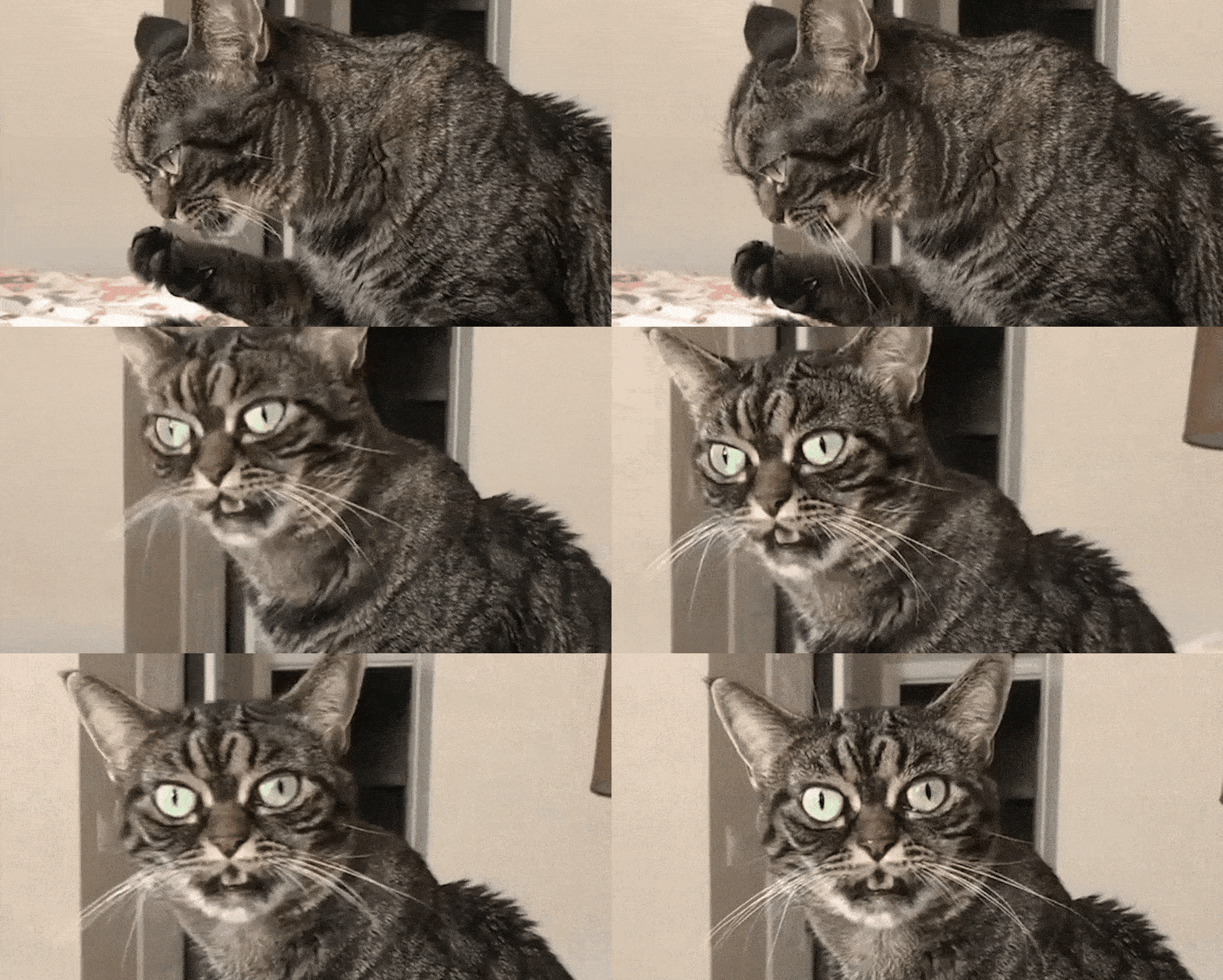
Courtesy of Grumpy Kitzia/Instagram
What Is a Cat’s Flehmen Response?
When your cat opens their mouth after smelling something, it’s basically their way of smelling in HD. The flehmen response is “a combination of tasting and smelling,” according to Dr. Sandra Mitchell, DVM, DABVP (Feline Practice), allowing the scent to reach their special receptors in the roof of their mouth.
Though it’s a funny thing to witness, Dr. Mitchell says this oddball cat behavior actually serves an important purpose: “funneling the smell towards a unique sensing organ called the vomeronasal organ, which helps it more closely analyze the odor.
When a cat exhibits the flehmen response, “scents are solubilized in saliva and the tongue flicks this up into the gland, which helps with more sensitive scent analysis,” says Dr. Marc Bercovitch, DVM, DACVIM, of Veterinary Specialists of Birmingham, Alabama.
It’s worth noting that domestic cats aren’t the only animals who exhibit this unique behavior. It can also be seen in other animals:
- Big cats (such as lions and tigers)
- Horses
- Giraffes
- Rhinos
- Llamas
- Hedgehogs
What Triggers the Flehmen Response?
Cats have a much stronger sense of smell than humans, but there are certain scents that are known to trigger the flehmen response—”especially unusual or new scents,” according to Dr. Bercovitch.
Dr. Mitchell adds that the flehmen response “can be triggered by any smell that the cat finds interesting, but it’s most commonly seen when one cat detects the odor of another cat, or even another animal.”
What Purpose Does the Flehmen Response Serve?
The vomeronasal organ, also called the Jacobson’s organ, is an olfactory organ located in a cat’s mouth, specifically above the hard palate between their septum and the roof of the mouth, just behind the front incisors. It contains tiny ducts that lead up to the nose.
The Jacobson’s organ was actually designed to help male cats locate female cats in heat by analyzing the pheromones in their urine. “Male cats are believed to be more prone to this response—especially in response to female sex hormones or pheromones,” Dr. Bercovitch says.
Is the Flehmen Response Normal in Cats?
You may worry about your pet’s health the first time you see them open-mouth breathing—especially if your cat is hovering over something you can’t see with their mouth hanging open for a long time. Rest assured, this stinkface is a totally normal part of cat health and behavior, and it’s usually not cause for worry. However, if you think your cat is experiencing labored breathing, this could be a sign of respiratory distress, and you should contact your vet immediately.
Pet parents may also think that their cat’s funny face or disgusted-looking lip curl is an indication that they don’t like what they’re smelling, but in fact, it’s likely just the opposite.
“The cat is attracted to the smell and is going to an extra effort to get a good whiff!” Dr. Mitchell explains. “The look on the cat’s face is more a function of how they have to move their mouths to get the air to flow to the vomeronasal organ than a judgment on the smell itself.
How Can I Get My Cat to Do the Flehmen Response?
Any cat—regardless of breed, age, or sex—is capable of exhibiting the flehmen response. While bringing home a fresh urine sample from another cat is probably not something you want to do (at least, we hope not!), you can try bringing in a new scent they might enjoy, like catnip.
To really get your cat’s nose working (and add some fun enrichment to their day), add loose catnip to a refillable toy.
Recommended Products

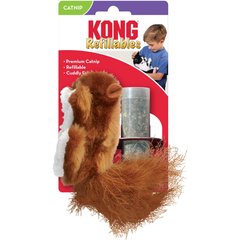
It’s worth noting that some things are on the no-no list for cats to smell or eat—such as certain plants, foods, essential oils, and household items that can be toxic—so stick to a safe and interesting scent.
FAQs About the Flehmen Response in Cats
Why does my cat sniff something then open their mouth?
This feline facial expressions—that open-mouthed expression right after they sniff an intriguing scent—is a normal animal behavior. Known as the flehmen response, it helps transmit the smell towards a specialized sensing organ common to domestic cats, big cats, horses, giraffes and other mammals called the vomeronasal organ, which helps your pet examine the odor more closely.
What does the flehmen response look like in cats?
A cat showing the flehmen response may curl their upper lip, hold their mouth open, curl their tongue, show their front teeth, or look either perplexed or disgusted.
What triggers the flehmen response in cats?
The flehmen response can be triggered by scents a cat finds interesting, especially new or unusual smells. It is commonly seen when a cat detects the odor of another cat or animal, including pheromones in urine.
Do cats make the flehmen face because something smells bad?
Not necessarily. While you cat’s face may show a look of disgust, your feline friend is likely attracted to the smell and is making that mouth movement to help the scent reach the vomeronasal organ, which can help them glean more information about the odor.
Have more questions about your pet’s behavior? Get expert advice through Chewy’s Connect With a Vet service, available daily.
Attributions