10 Best Fruits and Vegetables for Dogs

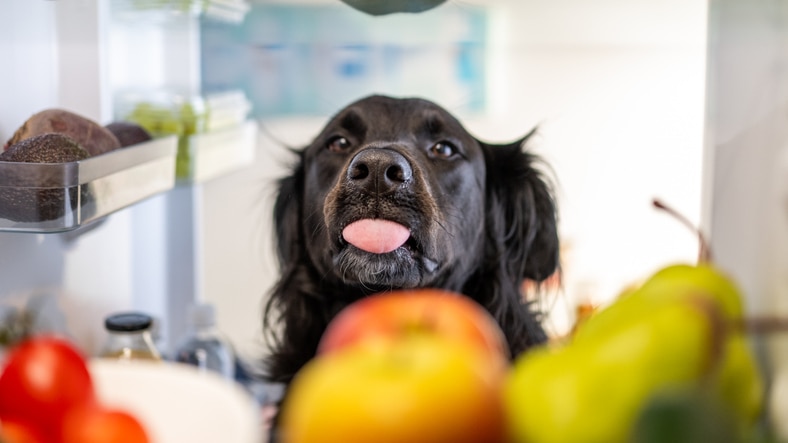
Photo by vm/E+
Fruits and vegetables are often part of a complete and balanced dog food, but they can also be a tasty treat that adds variety to your dog’s diet.
However, some fruits and veggies are better for dogs than others. Here are the best choices you can make for your pup.
Before introducing any new food into your dog’s diet, always check with your veterinarian.
Key Takeaways
- Many fruits and vegetables can be healthy, dog-safe treats when served properly and in moderation.
- Apples, blueberries, bananas, watermelon, and pumpkin offer fiber and other beneficial nutrients dogs can enjoy.
- Veggies like carrots, green beans, sweet potatoes, bell peppers, and edamame make tasty, low-calorie snack options.
- Always remove unsafe parts like seeds, pits, rinds, peels, or shells, and skip added seasonings, butter, and oils.
- Fruit- and veggie-based dog treats can be a convenient way to add variety to your pup’s snack routine.

5 Best Fruits for Dogs
The five fruits listed below are safe for dogs and have a taste and texture many dogs love. They are also rich in vitamins, minerals, antioxidants, and other important nutrients.
However, keep in mind that while these fruits do have beneficial nutrients, they won’t have a significant impact on your dog’s diet because they’ll be eating small amounts.
Apples
Many pups love the sweet crunch of an apple slice. Apples have:
- Natural carbohydrates that provide energy
- Lots of fiber to aid digestion and promote regular poops
- Low calories and low fat, which make them a good treat for dogs who could benefit from losing weight
Always remove the stem, core, and seeds, which can be toxic.
Blueberries
Sprinkling a few blueberries on top of your dog’s food is a great way to add a flavor boost. These tart treats are:
- High in antioxidants that can help protect against cellular damage
- Easy to prepare—just rinse them off and hand them out
- Low in calories and high in fiber, which can help with weight loss
Bananas
Banana slices make a tasty snack on their own, or you can mash some up and mix them into your dog’s food. Bananas have:
- Important nutrients like potassium and magnesium that are essential for the nervous system and heart health
- High fiber to help with digestion and regularity
Never feed your dog the banana peel.
Pumpkin
Plain, cooked pumpkin and 100% canned pumpkin are both healthy options for dogs—and yes, it’s technically a fruit, not a veggie. Pumpkin has:
- Lots of fiber that may help with diarrhea or mild constipation, or to prevent anal gland impactions; it may also help slow digestion and prevent blood sugar spikes
- Vitamin A, vitamin E, potassium, and iron, which are important to a dog’s immune system, skin, coat, eyes, and more
Never give your dog pumpkin pie filling or pumpkin purees with added spices.
Watermelon
Watermelon is a hydrating, refreshing treat for you—and chances are your dog will like it too. Watermelon has:
- Nutrients like vitamin A, B vitamins, and potassium that support eye health, metabolism, and muscle function
- Low calories, so it’s a good treat for dogs who need to lose weight
- More than 90% water content, so it’s a great snack for dogs when it’s hot outside
Always remove the rind before giving your dog watermelon.
5 Best Vegetables for Dogs
These five veggies are standouts because they are low-calorie, high-fiber foods that can help with weight management while simultaneously adding beneficial nutrients.
Some vegetables are OK to serve to dogs raw, while others need to be cooked. However, you should always avoid butter, oil, and seasonings, which can make dogs sick.
Bell Peppers
All colors of bell peppers are safe for dogs, but green peppers tend to be more bitter—which your dog might not love—than yellow, orange, or red peppers.
Bell peppers:
- Contain lots of phytopigments that act as natural antioxidants
- Are easy to digest if you remove the outer skin or lightly cook them
Never feed your dog hot peppers like jalapeños or chili peppers.
Carrots
Mini carrots straight out of the bag are a simple, crunchy snack for dogs who like to chew.
Carrots have:
- Beta-carotene, which supports eye health, immune function, and cell growth
- Low calories, great for dogs who need to watch their weight
- Fiber that supports a healthy gut and regular poops
Larger carrots should be washed, peeled, and sliced into bite-size pieces.
Edamame
Edamame is packed with beneficial nutrients—just be sure to only give your dog plain, unsalted edamame that has been cooked and shelled.
Edamame is:
- An excellent source of plant-based protein as well as calcium and iron
- High in fiber and low in calories, making it a good option for dogs who need to lose weight
- Full of omega-3 fatty acids, which are natural anti-inflammatories
Green Beans
Dogs can eat green beans raw or cooked, or even slightly thawed frozen beans as a cool summer treat.
Green beans are:
- Low in calories and high in fiber
- A good source of vitamin K, important for normal blood clotting and bone health
- A source of essential minerals such as calcium, magnesium, potassium, and manganese, all of which contribute to a dog’s healthy metabolism
Sweet Potatoes
Cooked sweet potatoes are a nutritious treat for your pup. They have:
- Complex carbohydrates that slowly release energy and fiber, which can prevent blood sugar spikes
- Beta-carotene, which plays an important role in vision and other functions within the body
- Antioxidants that help protect cells from free radical damage
Never feed your dog raw sweet potatoes, which are too hard to digest.
Dog Treats Made With Fruits and Vegetables
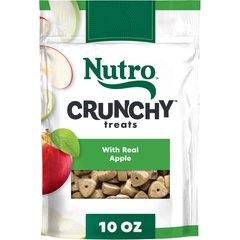
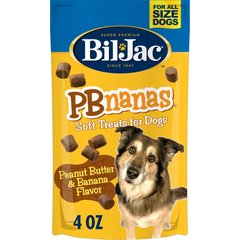
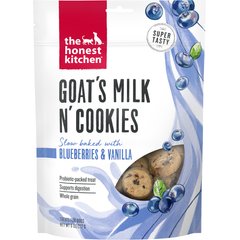
Dog treats made with fruits and veggies are also good options for dogs who like to experiment with different tastes.
Vet-recommend fruit-flavored dog treats include:
Recommended Products
And vet-recommended veggie dog treats include:
Recommended Products
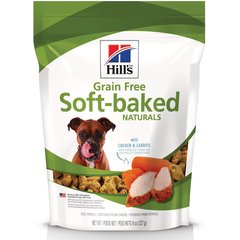
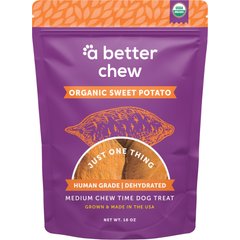
Don’t forget that you can make your own dog treats too! Get creative with your own kitchen skills and try these fruit- and veggie-themed recipes:
- Homemade Pumpkin Pie Dog Treats
- Apawrol Spritz (with carrot juice and blueberries)
- Watermelon Mocktail Recipe
- Boo Berry Bones
- Peanut Butter Banana Dog Cupcakes
FAQs About Fruits and Vegetables for Dogs
What’s the most nutritious fruit for dogs?
There’s not necessarily one fruit that’s most nutritious, but two good options are pumpkin for digestive support and blueberries for antioxidants.
What’s the healthiest vegetable for dogs?
Carrots, green beans, sweet potatoes, bell peppers, edamame, and many other vegetables can be healthy treats for dogs. Rotating through different vegetables is a good way to add variety to a dog’s diet.
Which fruits and vegetables are toxic to dogs?
Never feed dogs grapes, raisins, onions, garlic, or other foods that are dangerous for dogs. Large pits, like those found in peaches or avocados, can also pose a choking hazard, and the oils in citrus peels may be irritating to a dog’s mouth.
Can dogs eat fruit every day?
Maybe. Dogs can eat fruit every day if it’s included in a complete and balanced dog food or if your veterinarian recommends it. Otherwise, it’s best as an occasional treat, with small pieces given just a few times a week.
Can puppies be given fruits and vegetables?
Probably not. Puppies have special nutritional demands because of their rapid growth and development. A complete and balanced puppy food should make up 90% or more of their diet. All treats, including healthy fruits and vegetables, should just be a small part of their daily intake—if at all. Ask your vet for their advice.