Fiber for Dogs: Benefits and How To Add It to Your Dog’s Diet

Photo by Chewy
Fiber can help keep your dog’s digestion running smoothly—and that can mean more consistent poop.
The right amount and type of fiber for dogs can also help support their gut health, weight, and overall well-being.
Before you change your dog’s diet or add a fiber supplement, check with your veterinarian—especially if your dog has a health condition or takes medications.
Key Takeaways
- Fiber helps support healthy digestion and keeps your dog’s bowel movements regular and well-formed.
- Certain types of fiber help feed beneficial gut bacteria, supporting both gut and immune health.
- While fiber is beneficial for most dogs, too much can lead to gas, diarrhea, constipation, or a decreased appetite.
- Veterinarians may recommend high-fiber diets for dogs dealing with weight management, digestive issues, diabetes, or anal gland concerns.
- If you’re adding more fiber to your dog’s diet, do it gradually and check with your veterinarian to find the right balance for your pup.
What Is Fiber for Dogs?
Dietary fibers are non-digestible carbohydrates primarily found in plants.
There are two types of fibers:
- Insoluble fibers: These fibers don’t dissolve in water and pass through the gut largely unchanged, adding bulk to the stool and supporting normal gastrointestinal (GI) movement. Cellulose is an example of insoluble fiber.
- Soluble fibers: Fibers such as guar gum, pectin, and carrageenan, all found in dog food, dissolve in water and can often be fermented by gut bacteria, which promotes digestive health and the immune system.
Some fiber sources, like beet pulp, psyllium husk, oats, and barley (all found in dog food), have a mix of both types of fiber.
Is Fiber Good for Dogs?
Yes, fiber is good for dogs. In fact, most dogs benefit from a diet that contains both soluble and insoluble fiber. The combo is good for dogs because it:
- Supports the gut microbiome, which can improve GI health and immune function
- Encourages the movement of food through the gut and the formation of regular, well-formed stools
Can Fiber Be Bad for Dogs?
Yes, it might come as a surprise, but fiber can be bad for dogs if they get too much of it.
Signs your dog may be getting too much fiber include:
Symptoms caused by excessive fiber will usually resolve once fiber is reduced, but call your veterinarian for advice if problems continue for more than 24 hours.
Which Dogs Benefit From a High-Fiber Dog Food?
Your dog’s veterinarian may recommend a high-fiber diet for these conditions:
- Weight management: Fiber helps dogs on a diet feel full when eating fewer calories.
- Constipation: Insoluble fiber adds bulk to poop and can help with bowel movements. However, fiber can sometimes worsen constipation—for example, when the passageway for poop is narrowed or blocked.
- Diarrhea: Both soluble and insoluble fiber can have beneficial effects, depending on the cause of the diarrhea.
- Anal gland impactions: Bulkier stools promote natural anal gland expression.
- Diabetes mellitus: Higher fiber intake slows the absorption of sugar after meals.
However, every dog may respond differently to fiber, so finding the ideal diet or supplement often requires monitoring and adjustment.
Always talk to your veterinarian before making a switch.
Vet-Recommended High-Fiber Foods for Dogs
It can be tricky to figure out the exact fiber content of dog food—and the dog food label might not be super helpful.
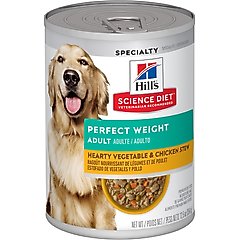
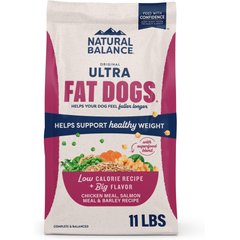
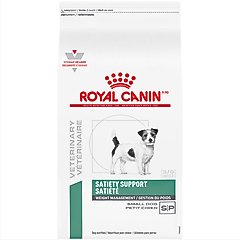
Your best bet is to always ask your veterinarian for a recommendation. They may suggest a high-fiber dog food, such as:
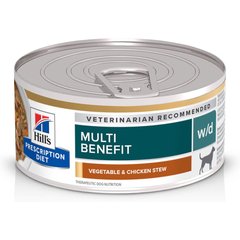
In some cases, your vet may even prescribe a therapeutic diet that offers higher fiber levels than over-the-counter options, such as:
Recommended Products
Fiber Supplements for Dogs
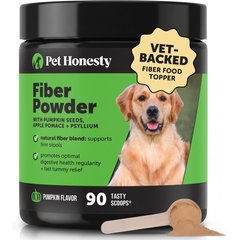
A fiber supplement may make sense when a full diet change isn’t practical or your dog only needs a small or short-term boost.
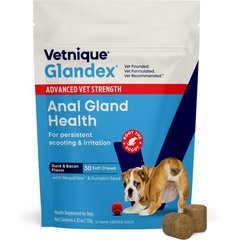
Your veterinarian can recommend the right product for your dog, but a few well-rated picks include:
- Pet Honesty High Fiber Pumpkin Flavored Digestive Powder for Dogs, which mixes easily into food
- Vetnique Labs Glandex Anal Gland Support with Advanced Strength Fiber Supplement for Dogs, which comes in a tasty chew
Recommended Products
Human Foods With Fiber for Dogs
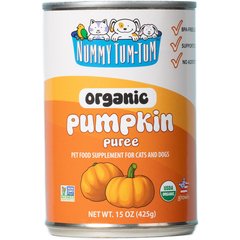
Some dog-safe human foods contain fiber. Although treat-sized amounts are unlikely to make a big difference in your dog’s diet, you could try these options if your vet approves:
Recommended Product
How To Safely Add Fiber to Your Dog’s Diet
Talk to your veterinarian before making a major change. Only your vet can tell you:
- If more fiber is appropriate for your dog
- Whether your dog needs soluble fiber, insoluble fiber, or a mixture of fiber types
- How much fiber your dog needs
- Which products are best for your pup
To prevent an upset stomach, always start with small amounts of fiber and slowly increase to the recommended amount.
Unless your veterinarian tells you otherwise, take seven to 10 days to completely switch your dog’s diet or get up to the full fiber supplement dose. Monitor how your dog responds, and if you have any concerns, talk to your vet.
FAQs About Fiber for Dogs
How much fiber do dogs need?
It depends. Fiber isn’t an essential nutrient for dogs, so there’s no universal recommendation. Most healthy dogs do well on the smaller amounts of fiber contained in typical dog foods, but your veterinarian knows best.
What is a good source of fiber for dogs?
Most dogs get all the fiber they need from a complete and balanced dog food, but a vet-prescribed diet can offer more if your dog needs it.
What is the best high-fiber dog food for constipation?
There’s no single answer, because constipation has multiple causes. Fiber can help in some cases, but sometimes it can make things worse. Your veterinarian can recommend the best option for your dog.