Can Dogs Eat Caramel?


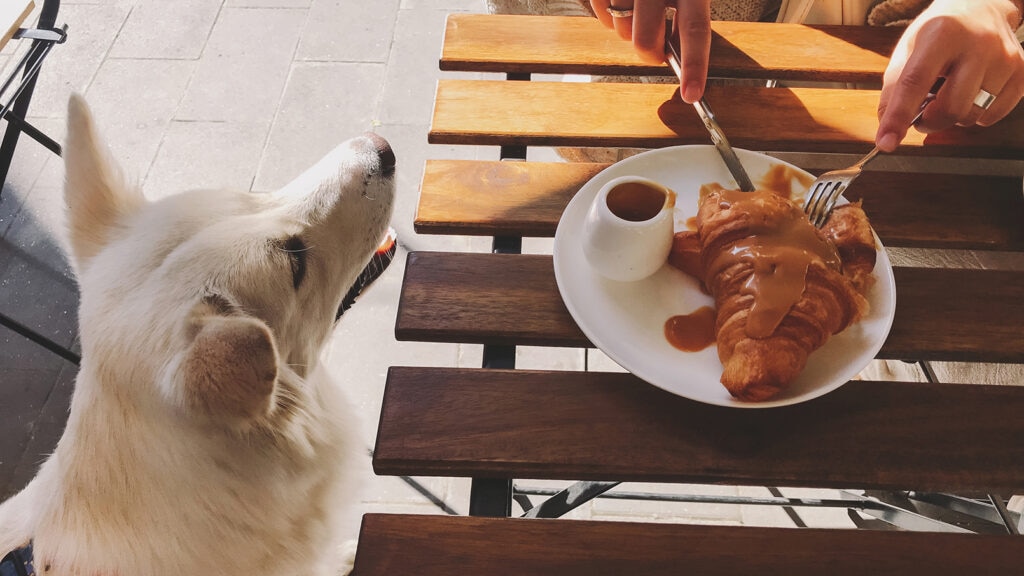
Photo by Adobe/sonyachny
Sticky, sweet, and hard to resist, caramel shows up everywhere, from candies to drizzles on dessert. But can dogs eat caramel?
No—even a small taste is loaded with sugar and fat your dog doesn’t need, and many caramel treats include extras like nuts, coffee, or sugar-free sweeteners that can make things much more serious.
If your dog ate caramel with chocolate, macadamia nuts, or sugar-free sweeteners, call your veterinarian right away.
Key Takeaways
- Caramel is not safe for dogs to eat.
- Caramel is bad for dogs because it’s high in sugar and fat and offers no nutritional value.
- Caramel with chocolate, coffee, macadamia nuts, or xylitol is especially dangerous for dogs.
- Sticky caramel can be hard to chew and may be swallowed too quickly, increasing choking risk.

Can Dogs Have Caramel?
No, dogs should not have caramel as a treat.
Plain caramel is already a poor choice because it’s basically cooked sugar and dairy. Caramel candies, chews, popcorn coatings, and dessert toppings can be even worse because they add more sugar, fat, and potential toxic ingredients.
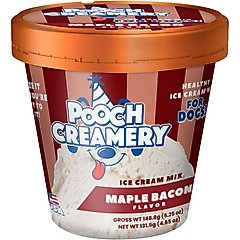
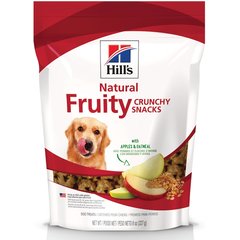
If you want something sweet-ish to offer instead, try these dog treats instead:
Recommended Products

Why Is Caramel Bad for Dogs?
Caramel is a poor fit for dogs for a few different reasons:
- Too much sugar: Sugary candy can lead to stomach upset and unnecessary calories. If a dog eats enough of it, the sugar load can leave them with vomiting, diarrhea, or a pretty unhappy stomach.
- Too much fat: Rich caramel desserts may be especially hard on dogs with sensitive stomachs. When caramel shows up in ice cream, candy bars, or baked goods, the added fat can make the whole situation harder on digestion and may increase the risk of pancreatitis in dogs.
- Sticky texture: Chewy caramel can cling to teeth and may be uncomfortable for some dogs to chew or swallow. Dogs that gulp treats can have an even harder time with sticky candy.
- Dangerous add-ins: Chocolate, coffee, macadamia nuts, and some candy fillings make caramel products riskier. In many cases, those extras are more concerning than the caramel itself.
- Sugar-free sweeteners: Some “diet” candies may contain xylitol, which is an emergency for dogs if they eat it.
My Dog Ate Caramel—What Do I Do?
What you should do next depends on what kind of caramel your dog ate, how much they got, and how they’re acting—but in most cases, it’s best to keep a close eye on them for the next day.
Watch for signs such as:
Call your veterinarian if:
- The caramel was sugar-free
- It contained chocolate, coffee, or nuts
- Your dog ate a large amount
- Your dog seems weak, painful, or unusually tired
- Your dog is very small, a puppy, or has underlying health issues
If your dog develops vomiting or diarrhea after eating caramel, dehydration can happen quickly—watch for signs of dehydration in dogs like dry or sticky gums, sunken eyes, or skin that doesn’t snap back quickly when gently lifted.
How Do Vets Help After a Dog Eats Caramel?
Treatment depends on what your dog ate and how they’re feeling, but the goal is always the same: keep your dog stable and help their body recover.
- For mild stomach upset: Your vet may recommend rest, fluids, and a short-term bland diet to help things settle.
- For richer desserts: If the caramel came with high-fat foods like ice cream or baked goods, your vet may monitor closely for digestive upset or pancreatitis.
- For xylitol exposure: This is an emergency. Treatment often includes rapid blood sugar monitoring and hospitalization.
- For chocolate or nut exposure: Care depends on the ingredient and amount eaten, with monitoring and supportive treatment as needed.
- For repeated vomiting or diarrhea: Your dog may need fluids and medications to stay hydrated and feel more comfortable.
How Can I Prevent My Dog From Eating Caramel?
Caramel trouble is usually easy to prevent if candy and dessert stays fully out of reach. Keep these tips in mind:
- Don’t leave caramel candies in bags, pockets, or low bowls.
- Store dessert toppings and sauces in closed cabinets or the fridge.
- Throw away wrappers promptly.
- Ask guests not to share sweets with your dog.
- Keep holiday candy trays away from curious noses.
FAQs About Dogs and Caramel
Can dogs eat caramel candy?
No, dogs should not eat caramel candy. It’s sugary, sticky, and often comes with extra ingredients that make it even less dog-friendly.
Can dogs eat caramel sauce?
No, caramel sauce is too sugary and rich to be a good choice for dogs.
Is sugar-free caramel dangerous for dogs?
Yes, it can be. Sugar-free candy may contain xylitol, which is an emergency when eaten by dogs.
Is caramel popcorn bad for dogs?
Yes. Caramel popcorn adds sugar on top of a crunchy snack that already is not good for dogs.
Attributions
This article was created with assistance from AI tools. The content has been reviewed for accuracy and edited by a human.