Can Dogs Eat Ham?



Photo by Chewy
It’s tempting to want to share every meal you eat with your furry best friend—especially when it’s a big festive dinner.
And while a tiny unseasoned bite of ham isn’t likely to do much harm, it’s still not the healthiest choice for your pup.
Here’s why ham is best avoided when it comes to your dog’s diet.
Key Takeaways
- Ham isn’t toxic to dogs, but it’s not usually the best choice for your dog.
- A small bite of unseasoned, fully cooked ham is unlikely to harm most dogs—however, ham is high in fat and sodium and isn’t a healthy treat.
- Too much ham can cause digestive upset and may increase the risk of pancreatitis.
- Never give your dog ham bones, which can cause choking or intestinal blockages.
- Call your veterinarian if your dog eats a ham bone or develops symptoms such as vomiting, diarrhea, lethargy, or loss of appetite after eating ham.
Is Ham Good for Dogs?
Nope! Terrible news for your dog—who’s probably staring longingly at the dinner table—but dogs don’t get many nutritional benefits from ham.
In fact, ham is usually high in fat, sodium, and sugar.
Is Ham Bad for Dogs?
Yes, in many ways, ham can be bad for dogs.
Ham isn’t a toxic food, but it’s still a “proceed with caution” type of food, says Leslie Sinn, DVM, ACVB, CPDT-KA, founder of Behavior Solutions in Ashburn, Virginia.
A little bite is unlikely to cause any harm, but it has the potential to induce stomach upset and pancreatitis, especially in high-risk breeds or if your pup overdoes it.
Here are some of the risks of ham for dogs:
High Fat Content
One of the biggest risks of ham is its high fat content.
Fatty meals can precipitate pancreatitis, which is the inflammation of the pancreas. Pancreatitis can affect all dog breeds.
Signs of pancreatitis may include:
The fat in ham can also slow down digestion, which can lead to bloating and constipation.
Mild cases of pancreatitis may resolve on their own, but your dog may need veterinary care if symptoms persist. Severe cases require hospitalization and, in the worst cases, can be fatal.
High Sodium Content
In addition to lots of fat, ham has a high sodium content.
Eating too much can cause excessive thirst and long-term health issues such as:
- High blood pressure (hypertension)
- Kidney disease
- Heart disease
High Sugar Content
Many commercial hams are prepared with added sugar, which isn’t a part of a dog’s normal diet.
Eating too much sugar can contribute to obesity and metabolic changes, like diabetes, that can affect the way your dog processes food.
Too Many Calories
High fat typically means high calories too. While a piece of ham here and there won’t likely contribute too many calories to your dog’s diet, be mindful of their overall calorie intake.
Treats, including human foods, should never make up more than 10% of your dog’s daily calories.
Potential for Blockages
So dogs shouldn’t eat ham—but can dogs have ham bones? Nope!
Never offer your dog a ham bone—or any other bone—and be sure to properly discard bones so that your dog can’t rifle through the trash looking for them.
A blockage happens when a bone gets stuck in their stomach or intestine. Bones can also cause choking, so they’re best avoided.
Can You Give Your Dog a Tiny Amount of Ham?
So, can dogs have ham—even just a little?
If it’s a rare and special treat, it’s fine to give your dog a small bite of lean ham now and then, but make sure you’re limiting their intake, says Dr. Sinn.
You should:
- Keep the portion size small
- Don’t make it a regular occurrence
- Only feed your dog plain, unseasoned ham
- Don’t include any bones
- Opt for unprocessed and uncured meat
- Make sure the meat is fully cooked, with excess fat trimmed away
What To Do If Your Dog Eats Too Much Ham
Ham isn’t toxic, but eating too much can still upset your dog’s GI system, Dr. Sinn says.
Look out for:
- Excessive drooling
- Lack of appetite
- Not drinking water
- Vomiting
- Diarrhea
- Lethargy or weakness
- Repeated praying/downward dog body posture
If you see any of these symptoms, call your veterinarian ASAP or head to the emergency vet. If your dog eats a bone, don’t wait for symptoms; head to your vet or an emergency vet.
What To Give Your Dog Instead of Ham
Your dog can’t share every meal with you, but you can still make things fun for them.
Try a special treat to brighten their day.
Recommended Products
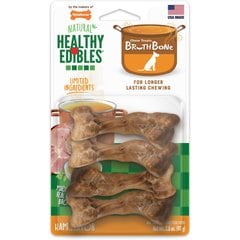
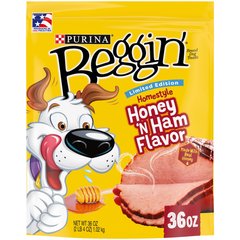
When treat time is over, bring out a fun toy—even better!
Recommended Products


FAQs About Dogs and Ham
Can dogs eat spiral ham?
No, it’s best to avoid it. Spiral ham often has added seasonings and spices that can be toxic to dogs.
Can puppies eat ham?
No, it’s best to keep puppies focused on a complete and balanced puppy diet to help them grow.
Can puppies eat ham bones?
No, never give your dog or puppy a ham bone. Bones can cause choking or an intestinal perforation or blockage—not worth the risk.
Can dogs eat ham lunch meat?
No, dogs should not eat ham lunch meat. This kind of store-bought deli meat typically contains a high level of sodium, which isn’t good for dogs.
Attributions