Can Dogs Have Cottage Cheese?



Photo by Varvara Druhzinina/iStock/Getty Images Plus
If you’re looking for a simple, high-protein treat to share with your pup, you might wonder: Can dogs have cottage cheese?
The good news is that cottage cheese is safe for many dogs when it’s offered the right way and in the right amount.
Here’s everything you need to know about cottage cheese for dogs.
Before introducing any new food into your dog’s diet, always check with your veterinarian.
Key Takeaways
- Dogs can have plain, unsweetened, low-fat cottage cheese in small amounts.
- Cottage cheese is high in protein but shouldn’t replace a complete dog food.
- Too much cottage cheese can cause stomach upset, especially in lactose-sensitive dogs.
- Treats like cottage cheese should make up no more than 10% of your dog’s daily calories.
Can Dogs Have Cottage Cheese?
Yes, dogs can have cottage cheese as an occasional treat. Low-fat or non-fat cottage cheese varieties are usually easiest for dogs to digest.
The safest option is always plain, unflavored cottage cheese since cottage cheese with added flavors or seasonings may be toxic to dogs.
Here are some ingredients to avoid:
- Onion and garlic: Onion and garlic powders are common flavorings and are toxic to dogs, even in small amounts. They can damage red blood cells and lead to anemia.
- Lots of salt: High sodium levels in savory or whipped cottage cheese can stress a dog’s kidneys and may worsen heart disease or high blood pressure.
- Added sugars or sweeteners: These can upset a dog’s stomach, contribute to weight gain, and be dangerous if they contain xylitol—ingestion of xylitol can be fatal in dogs.
- Herbs and spices: They can irritate a dog’s digestive system and may cause vomiting or diarrhea.
- Artificial flavors and preservatives: These can trigger digestive upset or food sensitivities.
Even with plain, unsweetened cottage cheese, always read labels and talk to your veterinarian before offering something new.
Is Cottage Cheese Good for Dogs?
Cottage cheese may offer some benefits when fed in moderation.
Possible benefits of cottage cheese for dogs include:
- It’s a source of protein, which supports muscles and overall health
- It has calcium, which helps maintain strong bones and teeth
- Cottage cheese has a soft texture that’s easy for senior dogs to eat
Is Cottage Cheese Bad for Dogs?
Even if you choose an unflavored, unseasoned cottage cheese, there can still be some side effects.
Possible risks of cottage cheese for dogs include:
- Lactose intolerance, which can cause gas, diarrhea, or vomiting
- High sodium (even in plain varieties), which can affect the kidneys and heart
- Extra calories that may contribute to weight gain if fed too often
How Much Cottage Cheese Can My Dog Eat?
Cottage cheese, like any human food, should be considered a treat—not a regular part of your dog’s mealtime.
Treats should make up no more than 10% of your dog’s daily diet, with the rest coming from a complete and well-balanced dog food that’s AAFCO compliant. Feeding too much cottage cheese can lead to digestive upset and unbalanced nutrition.
Always ask your veterinarian before giving your dog a new food, even if it’s just a small amount.
| Dog Size | Serving Size | Frequency |
|---|---|---|
| Extra-small dogs (2–10 pounds) | ½–1 teaspoon | 1–2 times per week |
| Small dogs (11–20 pounds) | 1–2 teaspoons | 1–2 times per week |
| Medium dogs (21–50 pounds) | 1–2 tablespoons | 1–2 times per week |
| Large dogs (51–90 pounds) | 2–3 tablespoons | 1–2 times per week |
| Extra-large dogs (91+ pounds) | Up to ¼ cup | 1–2 times per week |
How To Safely Feed Your Dog Cottage Cheese
Always choose plain, unsweetened, and unseasoned cottage cheese. Look for a low-fat or non-fat option.
You can offer cottage cheese to your dog by:
- Serving it in small portions as a treat
- Mixing a spoonful into regular dog food
- Using it as a topping
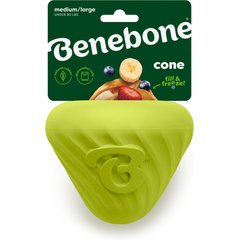
- Stuffing it into a treat toy, like the Benebone Rubber Cone Treat Dispensing Dog Toy
Recommended Product
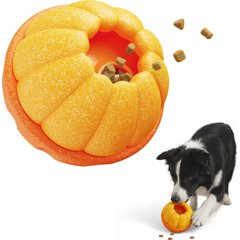
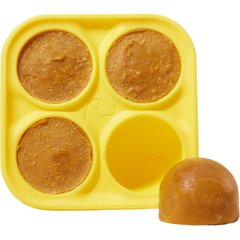
- Freezing it into a treat toy, like the PawsPik 2-in-1 Rolling Treat Dispenser & Frozen Lick Enrichment Dog Toy, or in a popsicle tray, like the Woof Pupsicle Treat Tray Mold Treat Dispenser Dog Toy
Recommended Products
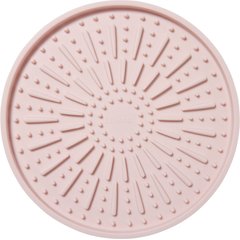
- Adding it to a lick mat, like the Pink Papyrus Silicone Slow Feeder Dog Lick Mat or the Frisco Silicone Dog & Cat Lick Mat
Recommended Products

Always watch for signs of stomach upset after introducing any new food.
My Dog Ate Too Much Cottage Cheese—What Do I Do?
Eating too much cottage cheese may cause:
- Diarrhea
- Vomiting
- Gas or bloating
- Lethargy
If the symptoms are mild, stop feeding your dog cottage cheese and offer them water.
If your dog’s symptoms become more severe or don’t improve, call their veterinarian right away.
If you think your dog may have ingested cottage cheese with a toxic flavoring or seasoning, especially xylitol, call Pet Poison Helpline (855-764-7661, fee applies) on your way to the emergency vet.
FAQs About Cottage Cheese for Dogs
Can puppies have cottage cheese?
Yes. Puppies can have very small amounts of cottage cheese, but their digestive systems are sensitive. Always check with your veterinarian first.
Can you freeze cottage cheese for dog treats?
Yes. Plain cottage cheese can be frozen in small portions and used as an occasional treat for your dog.
Is cottage cheese better than yogurt for dogs?
It depends on the dog. Some dogs tolerate cottage cheese better, while others do better with plain, unsweetened yogurt.
Can dogs have cottage cheese every day?
No. It’s usually not the best idea to give your dog cottage cheese every day. However, if it’s the only treat they’re consuming and they don’t have any adverse reactions, it might be OK. Ask your vet for advice, and remember that treats should never be more than 10% of your dog’s diet.
Attributions
This article was created with assistance from AI tools. The content has been reviewed for accuracy and edited by a human.