How Many Treats Can a Dog Have Per Day?

Photo by Chewy
Giving your dog a treat is rewarding (for you and them) but figuring out how many treats a day is safe is a bit more complicated.
Here’s how to spoil your dog—just a little—while still making sure it’s a healthy amount.
Key Takeaways
- There’s no one-size-fits-all treat limit; your dog’s size, age, health, and activity level all matter.
- It’s best to keep treats to no more than 10% of your dog’s daily calories.
- Biscuits, chews, toppers, and human food all count toward that daily treat allowance.
- Too many goodies can lead to tummy trouble, weight gain, or an unbalanced diet.
- Your veterinarian can help you find the right treats—and serving sizes—for your pup.
How Many Treats Per Day for a Dog?
There’s no single number of treats that works for every dog.
In fact, the number depends on your dog’s size, body condition, age, activity level, health, and even the type of treat. Your veterinarian might also have their own recommendations just for your dog.
With that said, the 10% rule is a good place to start. In general, if dogs get at least 90% of their calories from a complete and balanced dog food, the remaining 10% of calories can come from treats without posing much of a risk to their overall nutritional intake.
But it’s important to remember that the word “treats” covers a lot of ground. Dog biscuits, jerky, dental chews, toppers, and table foods—basically anything that isn’t labeled “complete and balanced”—all count toward that 10%.
Daily Treat Guide by Dog Size
Using the 10% rule, this chart provides guidance for how many calories from treats would be appropriate for a typical, healthy adult dog—and what that looks like for two common types of treats: training treats and biscuits.
But remember: These are estimates and individual needs can vary. You can always ask your veterinarian to make sure you’re not feeding your dog too many treats.
| Dog Size | Estimated Max Treat Calories per Day | Example of Daily Treats |
|---|---|---|
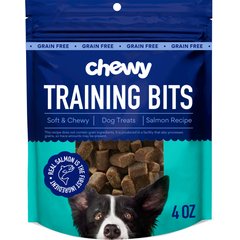
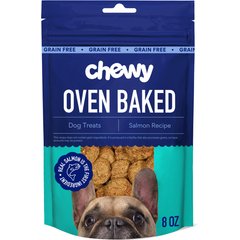
| Extra-small dogs (2–10 pounds) | 10–35 calories | 5–17 Chewy Training Bits or 1–1½ Chewy Oven Baked Biscuit Dog Treats |
| Small dogs (11–20 pounds) | 35–60 calories | 17–30 Chewy Training Bits or 1½–5 Chewy Oven Baked Biscuit Dog Treats |
| Medium dogs (21–50 pounds) | 60–115 calories | 30–57 Chewy Training Bits or 5–10 Chewy Oven Baked Biscuit Dog Treats |
| Large dogs (51–90 pounds) | 115–180 calories | 57–90 Chewy Training Bits or 10–15 Chewy Oven Baked Biscuit Dog Treats |
| Extra-large dogs (91+ pounds) | 180+ calories | 90+ Chewy Training Bits or 15+ Chewy Oven Baked Biscuit Dog Treats |
Recommended Products
Factors That Affect How Many Treats a Dog Can Have
While the above chart features general guidelines, there are many factors to consider, including:
- Size: Big dogs generally require more calories per day than small dogs, which means they can typically have more treats.
- Body condition: Dogs who need to lose weight should cut back on calories and reducing treats is the best place to start.
- Activity level: Dogs who get a lot of exercise burn extra calories and need to eat more, which gives them some extra room in their diet for treats.
- Age: Senior dogs tend to gain weight, so cutting back on treats can help maintain a healthy weight. Puppies have unique nutritional needs, so it’s important to not overdo the treats and to focus on a high-quality puppy food.
- Reproductive status: Spaying and neutering typically reduces a dog’s caloric needs; dogs who are pregnant or nursing puppies need more food.
- Health conditions: Dogs with diabetes, kidney disease, pancreatitis, food allergies, and other health problems may need specialized diet recommendations. It’s best to ask your vet.
- Veterinary diets: If your dog eats a veterinary diet, check with your vet before offering any treats. Some treat ingredients can work against the veterinary diet.
What Happens If a Dog Eats Too Many Treats?
A few treats a day won’t hurt most dogs, but too many can cause problems, including:
- Weight gain: Over time, extra calories from any source can add up and lead to weight gain and obesity in dogs.
- Digestive upset: Too many treats or treats that contain unfamiliar ingredients can lead to gas, vomiting, or diarrhea.
- Nutrient imbalance: If a dog gets too many treats, they may not eat enough of their complete and balanced dog food, which can lead to nutrient deficiencies or imbalances over time.
- Pancreatitis: Eating a lot of any fatty food can trigger pancreatitis in some dogs. Signs can include vomiting, lethargy, and abdominal pain.
If your dog eats a lot of dog treats and has some gas or soft stool, it’s OK to simply monitor the situation if they seem fine otherwise.
However, you should call your veterinarian for advice if your dog:
- Is repeatedly vomiting
- Has severe diarrhea
- Seems in pain or is lethargic
- Has symptoms that haven’t improved in 24 hours
How To Pick the Best Treats for Your Dog
The type of treat can be just as important as the number of treats, and the “best” treat really depends on your individual pup.
An active Newfoundland with a food allergy needs something different than a Maltese puppy in a training class.
Here are a few things to consider:
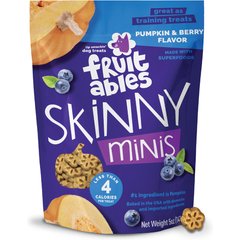
1. Check the calorie count per treat. Some treats have a lot more calories than others, which affects how many you can give your dog. Low-calorie treats, like Fruitables Skinny Minis, are a good choice for many dogs.
Recommended Product
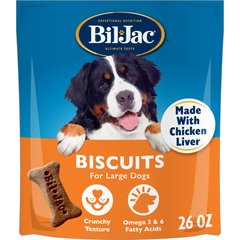
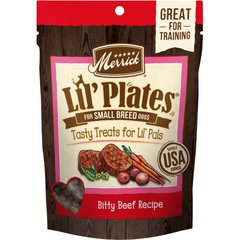
2. Match the treat to your dog’s size and chewing style. Treats sized for a Rottweiler, like Bil-Jac Large Biscuit Crunchy Dog Treats, aren’t appropriate for a Chihuahua. Look instead for small treats that are easier for little mouths, like Merrick Lil’ Plates Bitty Beef Recipe Grain-Free Dog Treats.
Recommended Products
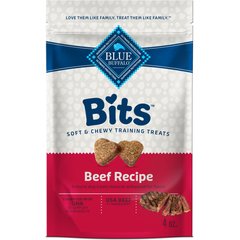
3. Pick special treats for training. When you’re training your dog, you need to reward good behavior, which can mean you’re handing out dozens of treats in a single session. Training treats, like Blue Buffalo Blue Bits Soft-Moist Training Dog Treats, have just a few calories each but most dogs love them.
Recommended Product
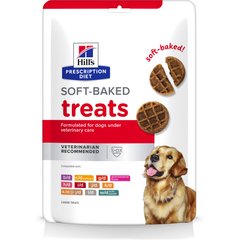
4. Choose the right treats for health. Vet-recommended dental chews, like Greenies, can be both a treat and a tool to fight plaque and tartar. Many veterinary dog foods also make veterinary dog treats, like Hill’s Prescription Diet Soft Baked Soft & Chewy Dog Treats, that are compatible with their diets.
Recommended Products

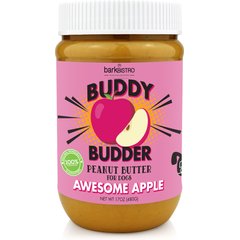
5. Avoid unsafe human foods—and find a dog-friendly version. Some human foods are safe for dogs, but others can be dangerous. For example, human peanut butter sometimes contains xylitol, which is toxic to dogs. Peanut butters designed specifically for dogs, like Bark Bistro Buddy Budder Peanut Butter, are a safer alternative.
Recommended Product
Every dog deserves the occasional goodie—it’s a reasonable request! By following the 10% rule, you’ll ensure your dog stays healthy and continues to enjoy their special snacks.
FAQs About Dog Treats
How many treats can a small dog have per day?
It depends on your dog. For example, a 10-pound dog may only require around 350 total calories each day, which means that no more than 10%—or 35 calories—should come from treats, with the rest coming from a complete and balanced dog food. But tinier or bigger dogs who still qualify as “small” might need something different.
Do training treats count toward my dog’s daily treat limit?
Yes. Training treats count as treats, and since you may hand out a lot of them, those calories can really add up. Look for options that have just 2–4 calories per treat.
Do dental treats and chews count as treats?
Yes. While some dental treats and chews can offer real health benefits, they still count as treats.
What treats should dogs avoid?
There are lots of “treats” you should avoid—and most of them come from your own kitchen. Never give your dog human food that contains chocolate, xylitol, grapes and raisins, onions, garlic, macadamia nuts, or any other ingredient that is toxic to dogs. It’s safest to stick to a treat made just for dogs.