Boswellia for Dogs: What the Evidence Really Shows


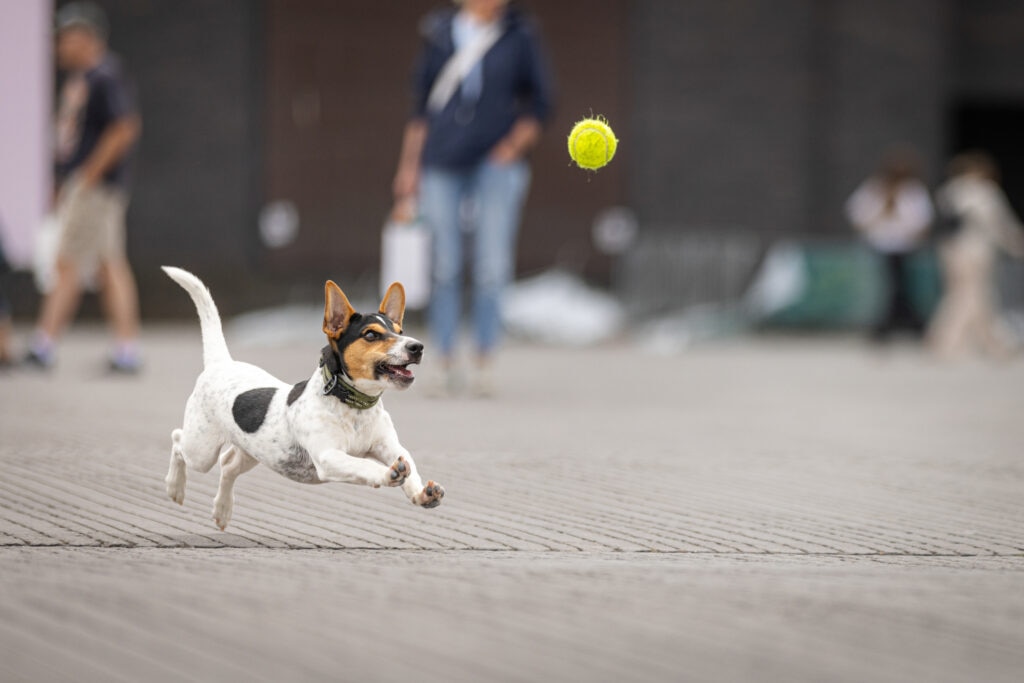
Photo by Berk Uca /E+
Boswellia, also known as Indian frankincense, is extracted from the resin from the Boswellia serrata tree. It’s included in some dog joint supplements because boswellic acids have been shown in some studies to help modulate inflammation associated with osteoarthritis, improving mobility and reducing pain.
Key Takeaways
- Boswellia is a plant resin that’s included in some joint supplements for dogs.
- Some studies have shown that boswellia can modulate inflammation in osteoarthritis, both as a standalone supplement and as part of a combination joint product.
- If your veterinarian thinks boswellia should be part of your dog’s plan, use a dog-specific supplement they recommend.
How Does Boswellia Work in Dogs?
Boswellia contains boswellic acids, which have been studied for their effects on inflammatory pathways. In one study in Switzerland, 29 dogs with joint and spine disease were given 400 mg of boswellia extract per 10 kg of body weight every day for 6 weeks. At the end of the study, 71% of dogs showed reduction in lameness, pain, and stiffness.
Outside of this study, boswellia has been included in several studies of multi-ingredient joint products: These include:
- A 2022 trial tested a supplement including Boswellia, chlorophyll, green tea extract, glucosamine, chondroitin sulfate, hyaluronic acid, and type II collagen in dogs with osteoarthritis (OA). The dogs receiving the supplement had less pain and arthritis signs.
- A 2023 study showed that dogs with OA receiving Cannabis sativa oil, Boswellia serrata phytosome, and ginger had less pain, inflammation, and oxidative stress.
- In a 2024 study using undenatured type II collagen plus Boswellia, dogs with OA had improved mobility.
However, it’s important to note these products contained multiple ingredients, so the improvements can’t be attributed to boswellia alone. The best takeaway is that boswellia has shown improvements when included as part of a formulation that includes other effective ingredients.
If your dog is stiff, limping, painful, or having trouble getting around, they need to see a vet for an accurate diagnosis and treatment plan. Boswellia shouldn’t be considered a substitute for actual veterinary care.
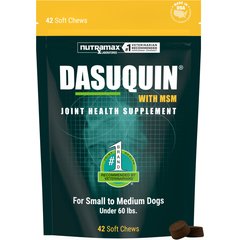
Recommended Product
Potential Side Effects of Boswellia in Dogs
Dog-specific data regarding side effects of boswellia are limited. In general, herbal supplements can cause stomach upset or interact with medications, so it’s important to let your veterinarian know about any medications, other supplements, or prescription diet your dog is on.
How to Give Your Dog Boswellia
Use a boswellia product only if your veterinarian thinks it fits into your dog’s care plan. Choose a product made specifically for dogs. Avoid human products because certain ingredients, combinations, and strengths may not be appropriate for dogs.
What to Do If Your Dog Takes Too Much Boswellia
If your dog gets into a boswellia supplement, follow these steps:
- Call your veterinarian, an emergency hospital, or the Pet Poison Helpline (855-764-7661) right away.
- The person you speak with will want to know about the product’s ingredient list, so have the package or bottle readily available.
FAQs for Boswellia in Dogs
Is Boswellia proven to work in dogs?
Various studies have shown that boswellia can help modulate inflammation, but the most compelling evidence is when boswellia is included as part of a multi-ingredient joint supporting product.
Why is boswellia in joint supplements?
Boswellic acids are studied for effects on inflammatory pathways, which could translate to benefits for dogs with osteoarthritis.
Can I give my dog a human boswellia supplement?
Ask your vet before giving any human supplement, since it may include ingredients, strengths, or combinations that aren’t dog-safe.
Should boswellia replace my dog’s medication?
No. It shouldn’t be used as a replacement for prescription medication, a diagnosis, or a veterinary-guided treatment plan.
Attributions
This article was created with assistance from AI tools. The content has been reviewed for accuracy and edited by a human.
References
- Ammon HPT. Boswellia serrata: an overall assessment of in vitro, preclinical, pharmacokinetic and clinical data. Planta Med. 2011;77(11):1181-1184. https://pubmed.ncbi.nlm.nih.gov/22457547/
- Majeed M, Nagabhushanam K, Lawrence L, et al. From bench to bedside, boswellic acids in anti-inflammatory therapy: mechanistic insights, bioavailability challenges, and optimization approaches. Front Pharmacol. 2025;16:1692443. https://pubmed.ncbi.nlm.nih.gov/41341032/
- Martello E, Bigliati M, Adami R, et al. Efficacy of a dietary supplement in dogs with osteoarthritis: A randomized placebo-controlled, double-blind clinical trial. PLoS One. 2022;17(2):e0263971. https://pubmed.ncbi.nlm.nih.gov/35171954/
- Gabriele V, Bisanzio D, Riva A, et al. Long-term effects of a diet supplement containing Cannabis sativa oil and Boswellia serrata in dogs with osteoarthritis following physiotherapy treatments: a randomised, placebo-controlled and double-blind clinical trial. Nat Prod Res. 2023;37(11):1782-1786. https://pubmed.ncbi.nlm.nih.gov/36067506/
- Stabile M, Fracassi L, Lacitignola L, et al. Effects of a feed supplement containing undenatured type II collagen and Boswellia serrata in dogs. PLoS One. 2024;19(10):e0305697. https://pubmed.ncbi.nlm.nih.gov/39475935/
- Texas A&M University College of Veterinary Medicine & Biomedical Sciences. Nutraceuticals. Accessed May 12, 2026. https://vetmed.tamu.edu/news/pet-talk/nutraceuticals/
- Texas A&M University College of Veterinary Medicine & Biomedical Sciences. The Importance of Supplements for Your Pets. Accessed May 12, 2026. https://vetmed.tamu.edu/news/pet-talk/the-importance-of-supplements-for-your-pets/
- Texas A&M University College of Veterinary Medicine & Biomedical Sciences. Foods To Avoid Feeding Your Pet. Accessed May 12, 2026. https://vetmed.tamu.edu/news/pet-talk/foods-to-avoid-feeding-pets/