Arowana Care Sheet



Photo by Rezza Minanti/iStock/Getty Images Plus
Arowanas are a group of ancient fish with a few species still found in Africa, Australia, Asia, and South America. In this care sheet, we’ll focus on four arowana species:
- Silver and black arowanas
- Jardini and leichardti arowanas
Arowanas are best suited for advanced aquarists, as they are large, long-lived fish that require special care.
Arowana Overview
- Depending on the species, arowanas can live 20 years or longer with proper care.
- Arowanas can reach up to 3 feet in length, occasionally bigger for silver and black arowanas.
Fun Facts About Arowanas
- Arowanas are among the largest predatory fish kept in personal aquariums.
- Some cultures consider the arowana a sign of prosperity, health, and good luck.
- Arowanas vary widely in price, with some specialty species costing as much as $300,000.
Arowana Fish Tank
Arowanas need a lot of room. Juveniles will be OK in a smaller tank (55 gallons and up), but they grow rapidly. There’s some variation in adult size, but a 200-gallon tank is the minimum required. Realistically, it’s impractical for most aquarists to house arowanas in tanks, but they can thrive in indoor ponds.
Since arowanas are jumpers, they should have a securely fitted lid on their aquarium to prevent them from jumping out of the tank and sustaining injury. If kept in an indoor pond where a lid is impractical, then you can reduce jumping by including plenty of floating plants.
Arowanas vary considerably in temperament. They get along fine as juveniles, but as they mature they may be aggressive. The larger the space provided, the more likely you are to succeed with adding tankmates. Some species that often work well with arowanas include:
- Datnoids
- Clown knives
- Pacus
- Tinfoil barbs
- Gar
A strong filter is critical to keep your arowana tank healthy. Go with the highest-volume canister filter you can provide. Arowanas (and their big tankmates) produce a lot of waste, so you need a lot of mechanical and biological filtration. The filter should be powerful enough to process all the tank’s water at least five to ten times per hour. If that’s not available, choose one with a higher flow rate.
Power filters that hang on the back of the tank and external canisters are great options, as they are effective and powerful without taking up any space inside the tank.
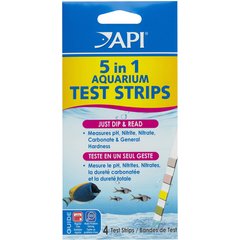
Regularly test the tank’s water with a freshwater test kit to measure the pH, nitrite, nitrate, and ammonia levels. Arowanas aren’t too picky about water paramaters; ammonia and nitrate don’t have safe levels (should be zero). pH between 6.5 and 7.5 is fine, and nitrates aren’t a concern except at extreme levels.
Recommended Product
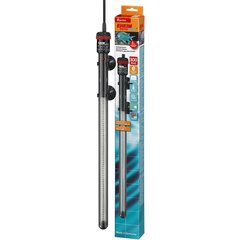
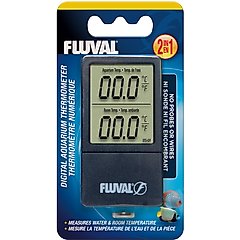
The water temperature should be 72–82 F. Use one or more heaters that combine to provide 3–5 watts per gallon.
Recommended Products
Arowanas tend to spend most of their time near the surface of the water, so you don’t need too much decor or accessories. You can add a few plants, and driftwood must be secured in the substrate to prevent it from toppling over and potentially injuring your fish.
Recommended Product

Cleaning and Maintenance
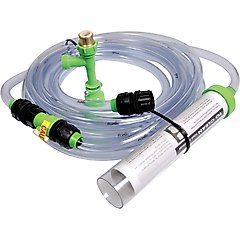
Clean your arowana tank by doing routine water changes every two to four weeks. Replace 10–25% of the tank’s water at a time, matching the tank’s water temperature before adding the new water. Use a gravel vacuum when performing water changes to remove as much waste as possible.
Recommended Product
Use an aquarium-safe cleaner on the tank’s outer walls, and avoid household cleaners that may contain chemicals toxic to your fish.
Arowana Diet
Feed your arowana floating pellets or sticks specifically made for surface feeding, along with freeze-dried shrimp or live crickets as a treat.
Recommended Product

Feed young arowanas once a day, and adults daily or every couple of days. Feed your fish only as much as they can eat within a couple minutes.
Arowana Health
An arowana should be active and have a full range of motion, with healthy fins, clear eyes, a good appetite, and a normal swimming pattern.
You might need to reach out to a fish expert if you notice drooping eyes, lethargic swimming, decreased appetite, or rapid breathing. If you notice raised scales, lesions, or red streaks in fins, contact your aquatics expert right away, as these may indicate a more serious issue.
Arowana Supply Checklist
- Appropriately sized aquarium or pond liner
- Freshwater substrate (optional, arowanas are fine in a bare-bottom tank)
- Pellets and freeze-dried and live foods
- Dechorinator and starter bacteria
- Filter
- Water test kit
- Hood and net for catching fish if needed
- Heater and thermometer
FAQs About Arowanas
Do arowanas make good pets?
Arowanas make great pets, but are best only for experienced fish keepers due to their large size.
How long do arowanas live?
With proper care, arowanas can live 20 years or longer, depending on the species.
How big do arowanas get?
Adult arowanas can be 3 feet or longer, depending on the species. Silver and black arowanas tend to get a little larger than jardinis and leichardti.
What types of arowana are legal in the US?
Only Asian arowanas are illegal in the United States because they are critically endangered in the wild. All other species of arowanas, such as the four species listed above, are federally legal in the United States, but many states do have restrictions on some species.
Your local store should be able to provide guidance, but if you are ordering online be sure that the species you are considering is legal in your state.
Attributions