How To Acclimate Fish the Right Way


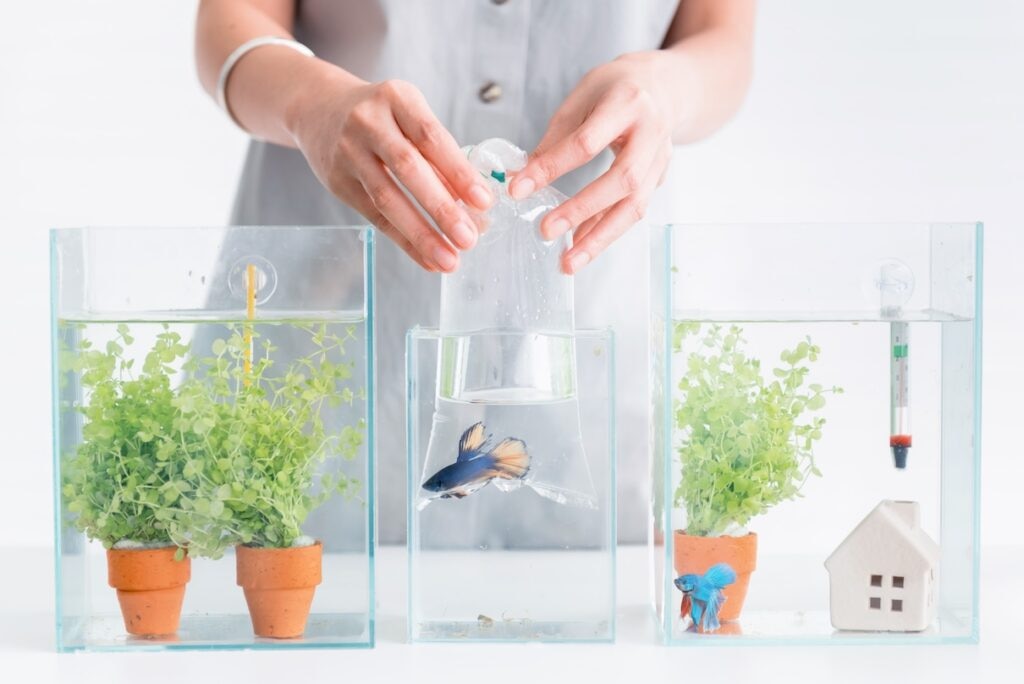
Photo by Adobe/graphixchon
Bringing home a new fish is exciting, but adding it directly to your aquarium can cause serious stress—or even be fatal. Whether it’s a freshwater or saltwater species, you need to introduce your fish to its new home carefully.
You can safely acclimate fish using one of two methods: floating acclimation or drip acclimation. Proper fish acclimation prevents sudden changes in water parameters, reducing stress and helping your fish transition safely into its new aquarium.
The safest way to acclimate fish is to float the bag for 15–20 minutes and gradually mix in aquarium water, or use drip acclimation for sensitive fish and invertebrates.
Key Takeaways
- Acclimation allows fish to adjust slowly to the water parameters of their new home; without it, fish can become shocked, stressed, or even die.
- Drip acclimation works best for sensitive freshwater and saltwater fish, as well as invertebrates; floating acclimation works best for hardier freshwater fish with lower sensitivity.
- Avoid rushing the acclimation process, which can take 30–90 minutes, and putting water from the bag into the display tank.
- If shipping water is dirty or foul, getting your fish into clean, conditioned water is often more important than a prolonged acclimation.
Why Fish Acclimation Matters
Fish acclimation reduces stress caused by sudden changes in water conditions. Collecting and transporting fish is inherently stressful. They experience not only temperature changes but also rapid shifts in their water’s pH, ammonia, oxygen, and nitrate levels.
Even freshly bagged fish may experience water chemistry that’s different from your home aquarium.
Without proper acclimation, you risk stressing your fish, which can weaken the immune system and increase disease risk.
Signs of Acclimation Stress
Once your fish is acclimated, watch out for the following indications of acclimation stress:
- Rapid breathing or gasping at the surface
- Lethargy
- Erratic swimming
- Stress coloring or loss of color
- Clamped fins
Acclimating Fish: At a Glance
| Fish Type | Acclimation Method | Acclimation Considerations | Acclimation Time |
|---|---|---|---|
| Most freshwater fish | Floating method | None | 15–30 minutes |
| Sensitive freshwater fish | Moderate drip acclimation | Sensitive to temperature and pH changes | 15–30 minutes |
| Most saltwater fish | Slow drip acclimation or floating method | None | 30–60 minutes |
| Sensitive saltwater fish | Slow drip acclimation | Sensitive to temperature, pH, and salinity changes | 60–90 minutes |
| Shrimp and invertebrates | Slow drip acclimation | Sensitive to water chemistry, nitrates, pH, and temperature changes | 1–2 hours |
How To Acclimate Fish Using the Floating Method
The floating method acclimates fish by gradually matching water temperature and chemistry. This method has fewer steps and is best for freshwater fish and hardier aquaculture species.
- Turn off aquarium lights: Bright lights can cause unnecessary stress for fish, so turning them off eases the transition.
- Float the bag: The goal is to match the bag’s temperature to the tank temperature. Float the sealed bag for about 15–20 minutes.
- Add an ammonia binder to the bag: As fish respire in the bag, CO2 lowers the pH, keeping waste ammonia in its less toxic ammonium form. Opening the bag and adding tank water raises the pH, converting it to toxic ammonia. Most water conditioners that detoxify ammonia can be used here.
- Gradually add tank water: Without allowing water from the bag to enter the tank, add small, measured amounts of tank water to the bag. Add small amounts of tank water every few minutes until the volume has approximately doubled.
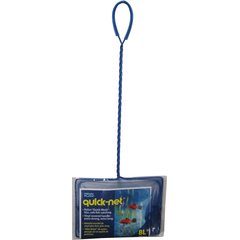
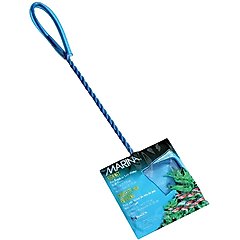
- Transfer fish carefully: Use a net or small container and carefully move the fish from the bag into the tank. Remove and dispose of the bag and its water.
Note: Don’t pour water from the bag into the tank.
Recommended Products
How To Acclimate Fish Using the Drip Method
Drip acclimation slowly introduces aquarium water to new fish to reduce stress and shock. Drip acclimation is recommended for marine tanks with saltwater fish and sensitive freshwater species, shrimp, and most invertebrates.
This method is less stressful for fish and gives them a chance to adjust to new water chemistry gradually.
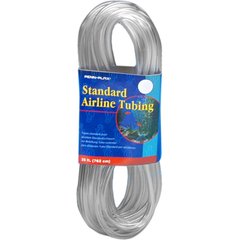
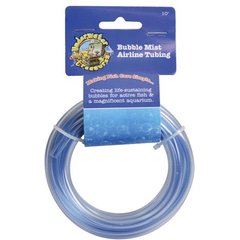
- Gather supplies: You’ll need a clean bucket or container, a cover, airline tubing, clamps, a net, and valves (optional).
- Place fish in a clean container: Open the bag, and carefully transfer the fish and shipping water into a clean bucket.
- Start a slow siphon: Using the clamp, secure one end of the airline tubing below the water surface in the tank. Place the other end of the airline tubing into the bucket with the fish. Carefully start a siphon so that water moves from the tank into the bucket.
- Add an ammonia binder: Add a water conditioner that detoxifies ammonia before beginning acclimation.
- Adjust drip rate: Use a valve or tie a loose knot in the tubing to adjust the water drip rate. Aim for two to four drops per second.
- Allow water volume to double: Continue dripping water until the volume in the bucket has doubled, which typically takes 30–60 minutes.
- Transfer the fish to their aquarium: Carefully scoop them up, move them into the aquarium, and discard the acclimation water.
Note: Don’t allow acclimation water to get into the main tank.
Recommended Products
How Long Does Fish Acclimation Take?
Most fish acclimation takes 20–90 minutes, depending on the species’ sensitivity. The drip method takes longer than floating, so give yourself more time to avoid rushing.
Set a timer to help you track the process.
What To Do After Adding New Fish
Monitor new fish closely after acclimation for signs of stress or illness. Here’s what you should do:
Dim the Lights
Bright lights can stress new fish, so turn off or dim them.
Lower lighting can reduce stress for new fish, calm existing fish in the tank, and make the environment more hospitable.
Avoid Feeding Them Right Away
Don’t feed your fish immediately after adding them to their new tank. Allow them time to settle into their new surroundings before feeding. Try waiting several hours or even until the next day before feeding your new fish.
Feed your existing fish before starting acclimation. Doing so can help reduce the risk of aggression and keep them well-fed.
Quarantine Properly
Before adding new fish to a display tank, quarantine them to keep them disease-free, eating well, and relaxed.
Monitor Behavior Closely
Newly added fish are likely to be stressed, but spend a little extra time observing them in their new homes.
5 Common Fish Acclimation Mistakes to Avoid
- Adding fish directly to the tank. Skipping acclimation can shock fish with sudden changes in temperature and water chemistry, increasing stress and the risk of illness or death.
- Acclimating too quickly. Rushing the process doesn’t give fish enough time to adjust to differences in pH, temperature, or salinity, which can lead to acclimation stress.
- Leaving fish in shipping bags too long. As fish respire, oxygen levels drop and waste products build up in the bag. Prolonged time in shipping water can quickly become harmful.
- Pouring store water into the aquarium. Bag water may contain excess waste, medications, parasites, or disease-causing organisms that you don’t want to introduce into your aquarium.
- Ignoring differences in water parameters. Large differences in temperature, pH, salinity, or hardness can stress fish if they aren’t given enough time to adjust gradually.
Fish Acclimation FAQs
How long does it take to acclimate fish?
Most fish should be acclimated for 20–90 minutes, depending on the species.
Is drip acclimation necessary for freshwater fish?
No. Most freshwater fish can be acclimated using the floating method, although sensitive species benefit from drip acclimation.
Can you put fish directly into a tank?
No. Adding fish directly to an aquarium can cause temperature and water chemistry shock, leading to stress or death.
Should aquarium lights be off during acclimation?
Yes. Turning off aquarium lights reduces stress while new fish adjust.
Do you need to feed your fish when acclimating?
Wait at least 12–24 hours before feeding newly added fish.
What happens if you don’t acclimate fish?
Fish that aren’t acclimated properly are more likely to experience stress, illness, and even death.
What if your fish arrive stressed and in foul water?
If you have fish shipped to you, they may arrive with cloudy water and elevated ammonia. In this instance, it is more critical to get the fish into clean water quickly than to acclimate for water parameters.
Float the bag briefly to equalize temps, then pour the bag through a net into a bucket (never add bag water to the tank) and release the fish into clean water.
Attributions