What Is a Rabbit Ear Infection?

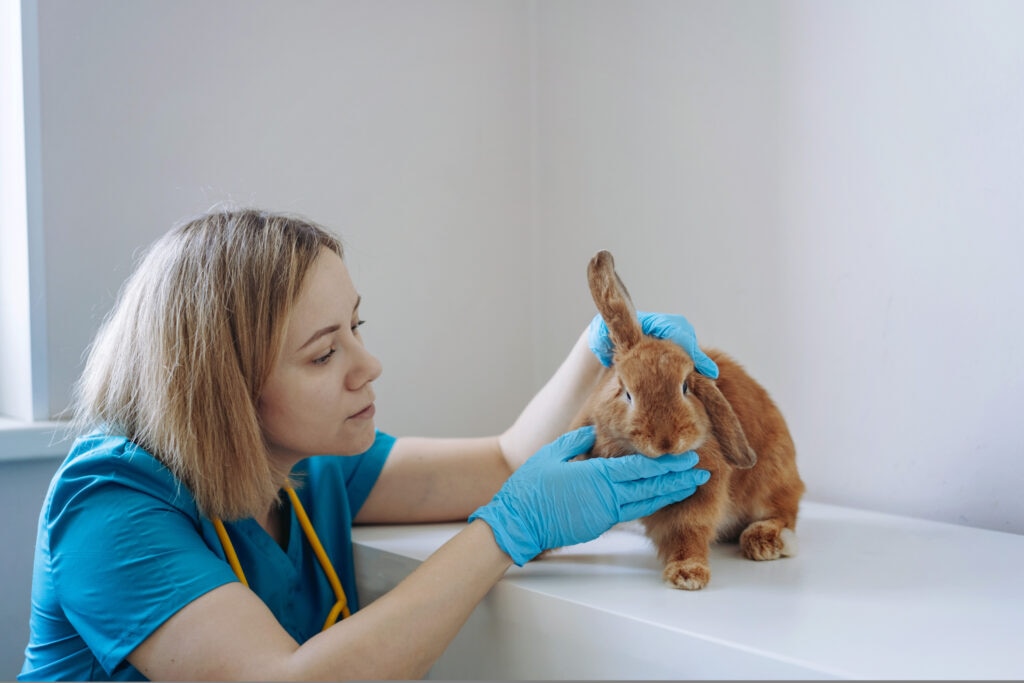
Photo by Yulia Raneva via iStock/Getty Images Plus
A rabbit ear infection can impact their outer, middle, or inner ear. Symptoms can include mild scratching and ear redness to severe head tilt or loss of balance.
Rabbits are sensitive pets, and any signs of ear pain, ear discharge, ear crusting, or head tilt should be evaluated by your exotic veterinarian or a veterinarian who treats rabbits. An ear infection can cause your rabbit to lose their appetite and have stomach issues if left untreated.
Key Takeaways
- Rabbit ear infections can affect the outer, middle, or inner ear, with symptoms ranging from mild irritation to serious balance issues like head tilt or rolling.
- Common causes include bacteria, yeast, ear mites, and respiratory infections, and proper diagnosis by a veterinarian is essential for effective treatment.
- Common causes include bacteria, yeast, ear mites, and respiratory infections, and proper diagnosis by a veterinarian is essential for effective treatment.
An ear infection is inflammation or infection involving the ear. In rabbits this may include:
- Otitis externa, which impacts the outer ear canal
- Otitis media, which impacts the middle ear behind the eardrum
- Otitis interna, which impacts the inner ear and affects balance
Outer ear infections can cause some itching, redness, waxy build up, crusts or colored discharge. Middle- and inner-ear infections can often be painful, cause your rabbit’s head to tilt, cause disorientation and loss of balance, rolling, or abnormal eye movements.
What Are Causes of a Rabbit Ear Infection?
Rabbits can develop ear infections from several different causes. The most common are:
- Bacterial or yeast infection can cause inflammation and itchiness to the external ear. It can also spread to the middle or inner ear and vice versa, if the eardrum is ruptured. In some rabbits, upper respiratory infections can also spread from the sinuses to the middle or inner ear. Yeast and bacteria are a normal part of the ear flora, but they can overgrow, causing irritation or infection.
- Bunny ear mites or Psoroptes cuniculi are very itchy for rabbits. This can cause a lot of inflammation and crusting. It is often the most common cause of external ear infection. This happens when a rabbit encounters another infected rabbit.
- Upper respiratory disease: Infections involving nasal passages often can cause ear infections when the infection moves to the middle ear.
Symptoms of a Rabbit Ear Infection
Signs of a rabbit ear infection may include:
- Scratching ears
- Redness or debris inside the ears
- Head tilt
- Rolling or loss of balance
- Crusts inside the ears
- Abnormal back-and-forth eye movement
- Head shaking
How Do Veterinarians Diagnose a Rabbit Ear Infection?
After taking a full medical history, your veterinarian will perform a full examination with a special focus on your rabbit’s ears. Using an instrument called an otoscope, they will look inside the ear canal for any redness and crusts, then view their eardrum to see if it is ruptured or inflamed.
An ear cytology is often performed, which means taking a sample of ear debris that is then reviewed under a microscope. Your veterinarian will look for yeast, white blood cells, red blood cells, and bacteria to determine the infection. They will also look for ear mites under the microscope on a different slide.
For chronic or severe infections, a bacterial culture and sensitivity test might be done to identify the species of bacteria, and which antibiotics may affect it. For inner ear infections behind the eardrum which cannot be seen on an exam, an X-ray or CT scan might be performed.
Additional testing may be needed, such as for Encephalitozoon cuniculi or other neurological diseases, if your rabbit has a head tilt and tests negative on the above ear infection tests.
To prepare for your rabbit’s veterinary appointment, gather any photos of their ear debris or crusting so your doctor can see how it has changed over time. Do not clean your rabbit’s ears before the visit unless your vet tells you to! Cleaning the ears before an appointment can make it hard to diagnose the cause of the infection.
Treatment for a Rabbit Ear Infection
Treatment will depend upon the cause, location, and severity of the ear infection. It can also include pain control if needed. Antibiotics are often required for bacterial infections: either topical, oral, or injectable antibiotics, and sometimes a combination.
Middle- and inner-ear infections often require longer treatment times than an external ear infection.
Your veterinarian may also recommend cleaning the ear with a rabbit-safe flush to remove any residual debris and wax during treatment. Treatment for ear mites often involves an antiparasitic medication, with selamectin or Revolution as a commonly used option.
Some rabbits that are not eating well or are dizzy from the ear infection might need assisted feeding and extra-soft bedding to prevent injuries during falls.
In chronic or severe cases, especially with middle-ear disease, surgery may be needed along with antibiotics for four to eight weeks.
Recommended Products




How Do I Prevent My Rabbit From Getting an Ear Infection?
Not every rabbit’s ear infection can be prevented, but you can reduce the risk by keeping the environment clean and monitoring for early signs of ear disease.
To help prevent ear problems, check your rabbit’s ears regularly. Look for any redness, swelling, discharge, odor, and crusting, and have them examined by an in-person exotic veterinarian as soon as possible.
It is also important to schedule routine veterinary examinations and quarantine any new rabbits, along with having them evaluated before introducing them to the other rabbits.
FAQs About Rabbit Ear Infections
How do you treat a rabbit’s ear infection?
Treating a rabbit’s ear infection depends upon the location and the cause. Based on that, prescription ear drops, oral antibiotics, ear cleaning, and antiparasitic medication could be prescribed. A full physical examination should be done.
Will a bacterial ear infection in rabbits go away by itself?
No, a bacterial ear infection will often not go away on its own. It can worsen and spread from the outer ear to the middle or inner ear. In severe cases, it can spread to the brain, causing infection and inflammation. It can also result in seizures if left untreated.
Attributions