How To Keep Ants Out of Hummingbird Feeders

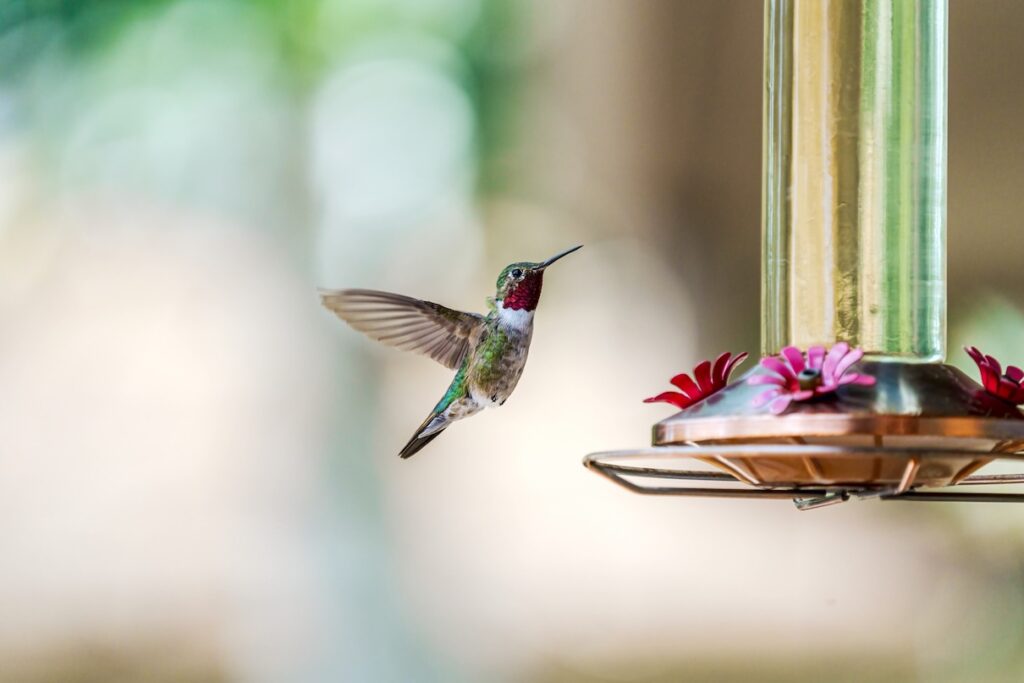
Photo by Medusas Brother/iStock/Getty Images Plus
Ants are persistent, but they’re not inevitable. With an ant moat, clean feeder habits, and a little white vinegar, you can make your setup far more welcoming to hummingbirds—and far less interesting to everything else.
Key Takeaways
- Ants are attracted to hummingbird feeders because of the sugar found in nectar.
- Hummingbirds might avoid your feeder if there are ants present.
- Ant moats and insect guards are the most effective methods for deterring ants.
- Never use pesticides or ant spray near your bird feeder.
Why Do Hummingbird Feeders Attract Ants?
The short answer: sugar. The nectar you use for hummingbird feeders (whether store-bought or homemade) is essentially a concentrated sugar solution.
Recommended Product
As highly motivated foragers, ants have an impressive ability to locate food sources from a distance. Once a scout ant finds the feeder and makes its way back to the colony, it leaves behind a pheromone trail for others to follow. Before long, you can have a full-on ant situation on your hands.
Beyond being a nuisance, an ant invasion is a real problem for the birds you’re trying to attract.
“Ants in hummingbird feeders can be a big problem,” says Maria Kincaid, ornithology research specialist for FeatherSnap. “Not only can they take over your feeder and be a mess to clean up, but if there are enough of them, they may drive the hummingbirds away.”
Ants can also contaminate the nectar, making it unsafe for hummingbirds to eat. If your feeder smells like ants or is visibly crawling with them, it’s likely that hummingbirds will avoid it entirely.
How Do You Keep Ants Out of a Hummingbird Feeder?
There’s no single fix, but a combination of smart placement, the right equipment, and consistent maintenance can make your feeder much less appealing for ants.
1. Use an Ant Moat
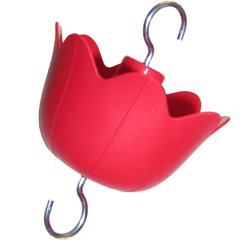
An ant moat for hummingbird feeders is the most effective tool you can add to your setup to keep ants at bay. It’s a small cup or basin filled with water that hangs between the hook and the feeder itself. Though simple, it works like a charm because ants can’tswim across it to reach the nectar below.
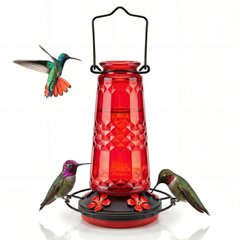
Some feeders have a built-in ant moat, like the Kingsyard Glass Hummingbird Feeder. If yours doesn’t, standalone moats are widely available.
Recommended Product
Tom Brown, site manager at the Paton Center for Hummingbirds in southeast Arizona, has battle-tested plenty of ant moats over the decades and calls them “exceptionally effective.”
One kind of ant moat Brown has used at the Paton Center is the Hummer’s Galore Hummingbird Feeder Insect Guard. Just plan to clean it at least once a week.
Recommended Product
If you live somewhere warm, Brown recommends a moat with a larger water capacity. Heat speeds up evaporation, and a dry moat is no moat at all.
2. Try Insect Guards on the Ports
Another layer of protection comes from insect guards, like Pop’s Birding Hummingbird Nectar Tips. These attachments fit over or under the feeder’s nectar ports, blocking ants and bees while still allowing hummingbirds’ long bills to reach through.
Recommended Product

“They are generally either plastic grids that fit over the nectar ports, or clear rubbery membranes that fit on the underside,” Kincaid explains. Many feeders include them, but they’re also sold separately.
3. Choose the Right Feeder Style
Feeder design matters. Inverted feeders—the classic upside-down bottle style—rely on gravity to push nectar into the reservoir and are more prone to dripping, which leaves sugary residue that attracts ants.
Saucer-style hummingbird feeders hold nectar in a shallow pool under the ports and tend to leak less. If ant problems have been persistent, Kincaid says switching to a saucer-style feeder could eliminate much of the mess and make a real difference.
Recommended Product

4. Clean Your Feeder Regularly
Not only is consistent feeder cleaning necessary for your hummingbirds’ health (old nectar can mold or ferment and make birds very sick), but it’s one of the most important things you can do to deter ants.
Nectar should be refreshed every one to three days, or more frequently in hot weather. The feeder should be thoroughly washed with hot, soapy water each time you change the nectar.
Kincaid recommends going one step further. After washing, wipe the entire feeder—including the hook or mounting hardware—with plain white vinegar.
“This disrupts the pheromone trails that ants use to navigate to and from food sources,” she says. Just make sure to thoroughly rinse away any vinegar before refilling so it doesn’t come into contact with the hummingbirds or their food source.
Don’t forget to wipe down the shepherd’s hook or bracket your feeder hangs from, too. Ants will follow a pheromone trail wherever it leads: up the hook, down the pole—you name it, they’ll persevere.
5. Check for Leaks
Leaks are an open invitation for ants. Even a small drip from a feeder port or a cracked reservoir can leave a sugary trail down the pole or hook that ants will inevitably find and follow.
Make it a habit to check your feeder for leaks during regular cleanings. If a feeder is consistently dripping, it may be time for a replacement or a tighter-fitting seal.
6. Move the Feeder
If ants have already moved in, Kincaid recommends relocating the feeder because a new spot disrupts established pheromone trails and forces ants to start from scratch.
Hanging from a freestanding pole in an open area—away from trees, fences, and structures ants can climb—can also limit entry points considerably. Just make sure to pick a place where outdoor cats and other predators are unable to scale and get to your feeding hummers.
7. Never Use Pesticides or Ant Spray Near Feeders
If you’re overrun with ants, it might be tempting to spray around the pole or hook. Don’t do it!
“It’s very important to not use any sort of insecticide or ant spray around your feeders, as this can be very harmful to the hummingbirds,” Kincaid says.
Even residue from insect sprays can sicken or kill them. Stick to physical barriers—no chemicals needed.
FAQs About Ants and Hummingbird Feeders
Does aluminum foil keep ants away?
Using aluminum foil probably won’t keep ants away from hummingbird feeders—at least, not for long.
“Ants are pretty tenacious critters, and while it may deter them for a little while, eventually they’ll figure out that the foil, whether it’s smooth or crumpled, isn’t really a major barrier for them,” Kincaid says. Ant moats and insect guards are far more reliable solutions.
Do hummingbirds eat ants?
Ants are not typically part of hummingbirds’ diets. Though hummingbirds do eat small insects like gnats, fruit flies, and spiders for protein, ants aren’t really part of their diet. In fact, Kincaid says a feeder overrun with ants is more likely to drive hummingbirds away than attract them to the feeder.
Attributions