What to Know About the Different Types of Wild Bird Food

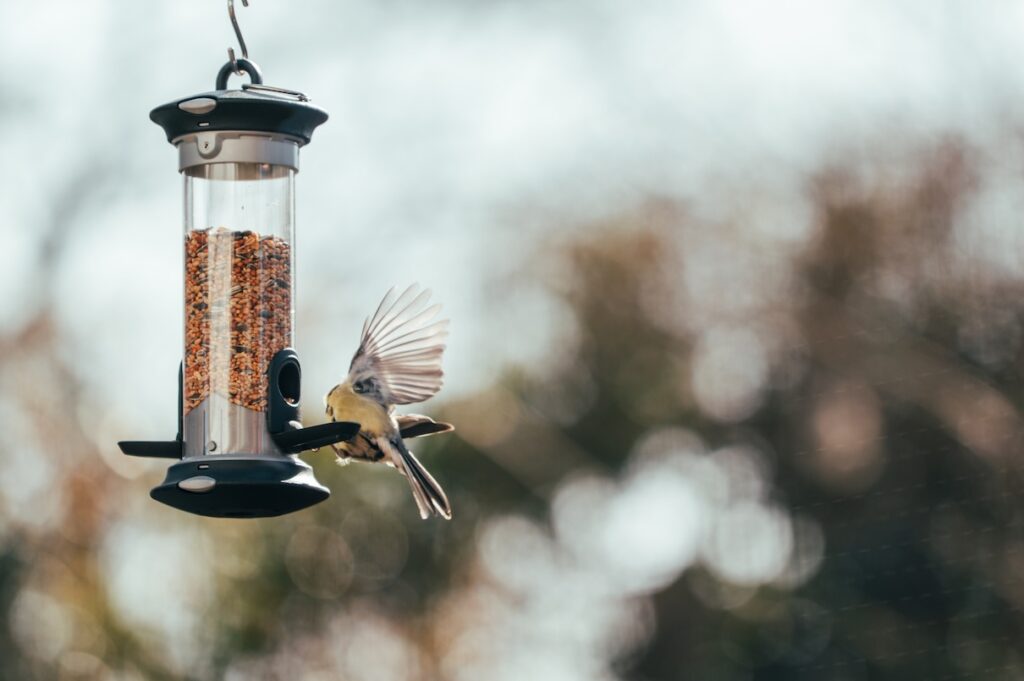
Photo by Dirk Hoffman/iStock/Getty Images Plus via Getty Images
There are many types of bird food, both in the wild and available for purchase. Here’s everything you need to know about the most common varieties of wild bird food and the best feeders to use for your new feathered visitors.
Key Takeaways
- The best type of wild bird food depends on which species you’re trying to attract and the time of year.
- Different bird foods require different types of bird feeders, so plan ahead.
- Some bird foods appeal to a wide range of species, while others attract more specialized groups of birds.
| Type of Wild Bird Food | Types of Birds It Attracts | Best Types of Feeders for This Food |
|---|---|---|
| Bird Seed | Chickadees, cardinals, jays, titmice, goldfinches, nuthatches, sparrows, woodpeckers, grosbeaks, doves | Hopper feeders, tube feeders, platform or tray feeders |
| Mealworms | Bluebirds, robins, titmice, wrens, chickadees, woodpeckers, nuthatches | Shallow bowl or dish |
| Suet | Woodpeckers, northern flickers, blue jays, titmice, chickadees, wrens, nuthatches | Metal or cedar cage feeders |
| Seed Cakes | Woodpeckers, nuthatches, creepers, chickadees | Metal or cedar cage feeders |
| Thistle and Nyjer | Finches, goldfinches, pine siskins, redpolls | Tube feeders, metal mesh feeders |
| Nectar | Hummingbirds, orioles | Saucer or tray feeders, tank feeders |
| Fruit | Robins, orioles, wood thrushes, catbirds, mockingbirds, waxwings | Platform or tray feeders or a small dish |
Bird Seed
Each type of wild bird seed attracts different species, but “it is generally best to start with a seed mix because these mixes are designed to appeal to a wide range of birds,” says Margaret Brittingham, ornithologist and wildlife ecologist with Kaytee. “Once birds find your feeder and you see which types are visiting, you can add additional food sources.”
According to Anna Matthews, GIS coordinator at the American Bird Conservancy, these are some of the most common bird seeds to choose from:
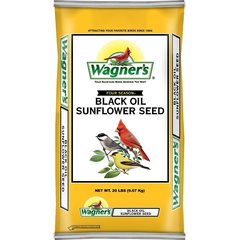
- Black oil sunflower seed: These nutrient-packed seeds provide healthy fat and protein for wild birds. Plus, they’re easy to crack open. Many species prefer this bird seed, including chickadees, cardinals, jays, titmice, goldfinches, nuthatches, sparrows, woodpeckers, and more.
Recommended Product
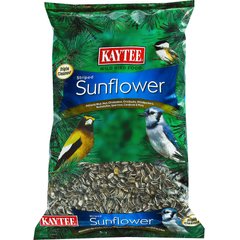
- Striped sunflower seed: These bigger seeds are a favorite of larger birds like cardinals, grosbeaks, jays, and red-bellied woodpeckers.
Recommended Product
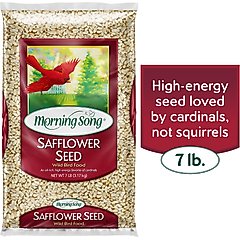
- Safflower: This seed has a thick shell that’s difficult for most birds to crack, but cardinals love it, Matthews says.
Recommended Product
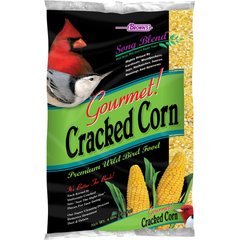
- Dried corn: This is a favorite of jays, doves, grackles, wild turkeys, and quail. To attract smaller birds like finches and sparrows, Matthews recommends trying cracked corn instead.
Recommended Product
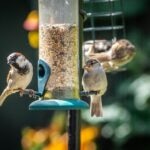
Hopper feeders, tube feeders, and platform or tray feeders are all designed to hold bird seed.
Recommended Products
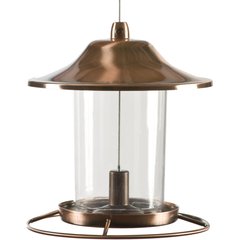
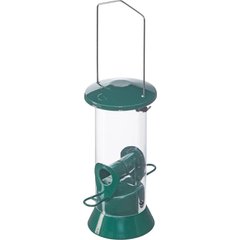
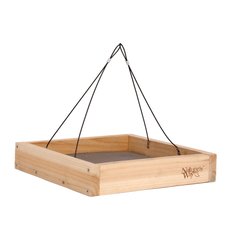
As a general rule, Matthews recommends placing bird feeders several feet from trees, shrubs, or brush piles and downwind from trees.
“It’s also important to keep feeders clean to help prevent the spread of disease in wild bird populations and properly store unused seeds,” she says.
Mealworms
Mealworms are a high-protein option that keeps birds like robins and bluebirds full. Plus, they’re similar to the caterpillars many birds eat and feed their young during the breeding season, Brittingham says.
Recommended Product
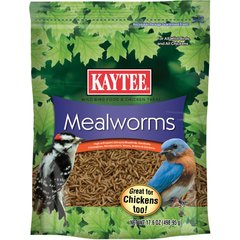
Mealworms are best served on a platform or tray feeder, or in a specially designed mealworm feeder.
Suet
Suet is high in fat, meaning it’s a high-energy food source that is especially beneficial for wild birds during the cold winter months when other food sources are scarce.
Recommended Product
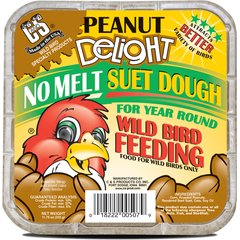
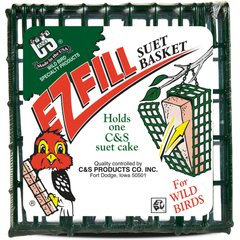
Cage feeders specifically designed to hold suet cakes are the best option, and you can expect birds like woodpeckers, blue jays, titmice, chickadees, wrens, and nuthatches to flock to them.
Recommended Product
Seed Cakes
“Seed cakes are similar to seed mixes, except they contain a substance that holds the seeds together,” Brittingham says. The birds have to work a little harder to get the seed, but less seed tends to fall to the ground, reducing the mess, she explains.
Recommended Product
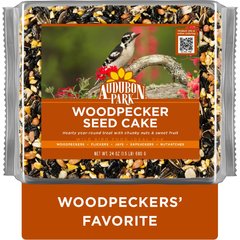
Platform or suet cage feeders are your best bet with these, attracting different birds depending on the mix in the seed cake. However, chickadees, nuthatches, creepers, and woodpeckers are likely to flock to many types of seed cakes.
Thistle and Nyjer
“Nyjer seed (also often called thistle) is a high-fat, high-protein seed that primarily attracts small, clinging birds, most notably finches,” Matthews says.
Recommended Product
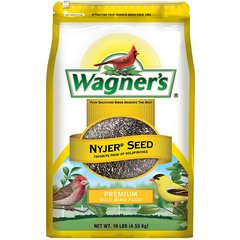
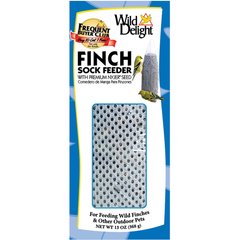
Nyjer is a small seed, so it needs to be fed in a special nyjer “sock” feeder with very small openings to avoid waste, according to Brittingham. Tube feeders or metal mesh feeders can also work in a pinch, though you might lose some seed on the ground.
Recommended Product
Nectar
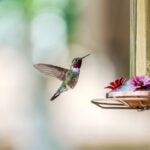
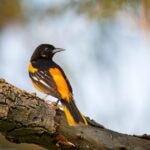
Most people know nectar as hummingbird food, though it can also attract orioles from time to time.
Recommended Product
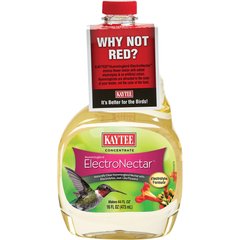
When hanging hummingbird feeders, be sure to position them where predators like cats and snakes can’t reach them, Matthews says. And consider putting out more than one feeder, as hummingbirds tend to get territorial.
Recommended Product
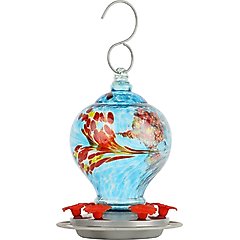
You will also need to clean your hummingbird feeder every couple of days and take steps to prevent ants from getting into the nectar.
Fruit
Fresh fruit can be a nutritious option for wild birds, especially during the colder months when vegetation is harder to come by, Matthews says. She recommends trying sliced apples, oranges, bananas, grapes, or dried raisins or cranberries soaked in water on a tray or platform feeder.
Fresh fruit doesn’t take long to spoil, which can potentially make birds sick. Brittingham recommends checking your feeders regularly and removing old fruit before it becomes moldy.