Sort
Filter

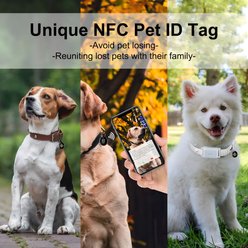

$38.23 Chewy Price
$49.99 List Price
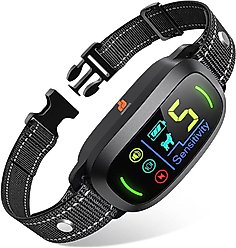

$29.99 Chewy Price
$35.99 List Price
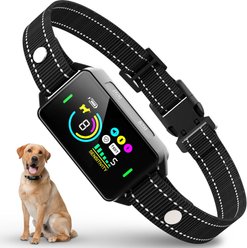

$29.90 Chewy Price


$23.99 Chewy Price
$29.99 List Price
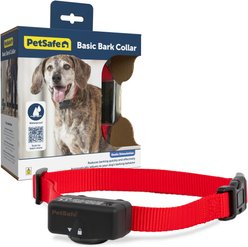
$37.97 Chewy Price
$39.99 List Price
$98.95 Chewy Price
$129.99 List Price
$28.79 Chewy Price
$35.99 List Price
$84.99 Chewy Price
$89.99 List Price

$25.99 Chewy Price
$39.99 List Price
$59.99 Chewy Price
$70.69 Chewy Price
$109.99 List Price
$84.99 Chewy Price
$109.99 List Price
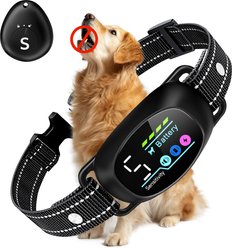

$31.99 Chewy Price
$39.99 List Price
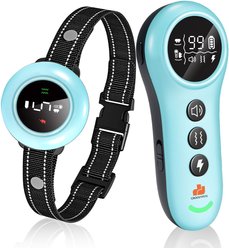
$52.01 Chewy Price
$69.99 List Price
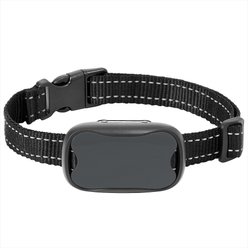
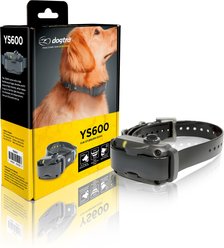
$89.99 Chewy Price
$99.99 List Price
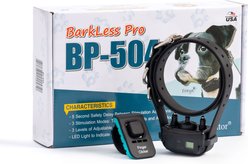
$109.99 Chewy Price
$129.99 List Price
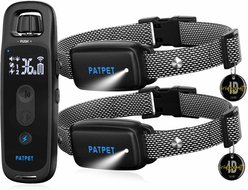
$69.90 Chewy Price
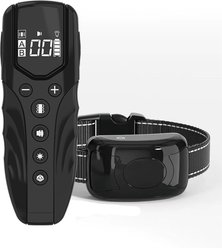
$34.99 Chewy Price
$49.99 List Price
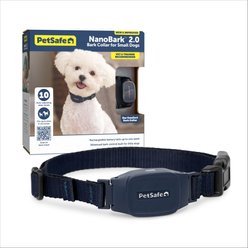
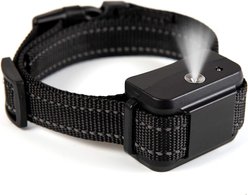
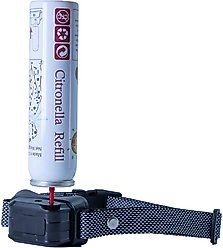
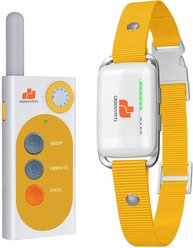
$34.99 Chewy Price
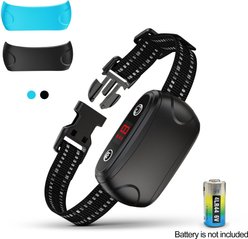

$99.99 Chewy Price
Dog Bark Collars
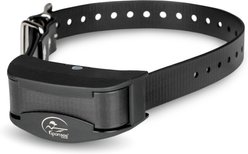
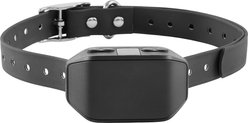
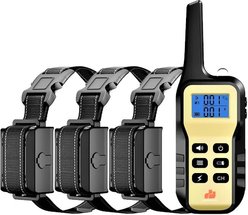
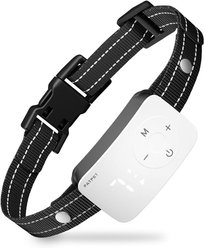
Dog bark collars are training tools designed to reduce excessive barking by delivering a gentle correction- like a vibration, sound, citronella spray, or mild static pulse- when your dog barks. They're especially helpful for pet parents dealing with non-stop barking that disrupts the home or annoys the neighbors. Used correctly, bark collars can help teach your dog when it's OK to bark and when it's time to zip it, making life more peaceful for everyone (including your pup). Here are a few types of dog bark collars to consider:
- Static collars: Mild, safe, electric shock when barking is detected
- Vibration collars: Vibrate to interrupt barking instead of a shock
- Ultrasonic collars: Emits a high-pitched sound only dogs can hear
Choosing the right dog bark collar depends on your pet's size, temperament, and sensitivity. For small or timid dogs, start with a gentler option like vibration or spray collars. Confident or stubborn barkers may respond better to static or combination collars with adjustable settings. Make sure the collar fits snugly without being too tight, and always look for models with smart sensors that only trigger from your dog's bark- no false alarms! The best bark collar is one that corrects behavior without causing stress, which keeps training safe, kind, and effective.
Frequently Asked Questions about Dog Bark Collars
What kind of bark collar is most effective?
The most effective dog bark collar really depends on your dog's personality and sensitivity. For most dogs, vibration collars are a great choice- they're gentle yet effective, using a non-invasive vibration to interrupt barking. If your dog is more stubborn, a static (shock) collar with adjustable intensity can offer more control, but always use it at the lowest setting to ensure comfort. Spray collars are also popular, especially for dogs who dislike the smell of citronella. Ultimately, the best collar is one that gently teaches your dog to stop barking without causing stress or discomfort.
What's the best thing to stop dogs from barking?
The best way to stop dogs from barking is by addressing the root cause- whether it's boredom, anxiety, or attention-seeking. Training and consistency are key: teaching commands like "quiet" or rewarding calm behavior can work wonders. If barking is a bigger issue, consider tools like a dog bark collar (vibration or spray types are often the gentlest) or interactive toys to keep your dog engaged. And remember, a tired dog is a quiet dog, so plenty of exercise and mental stimulation can go a long way in curbing excessive barking.
What features should I look for when choosing a bark collar?
When choosing a dog bark collar, look for adjustable sensitivity levels to match your dog's temperament, and make sure it has smart sensors to avoid false triggers. A comfortable fit is key, so it doesn't irritate your dog's neck, and a durable, waterproof design ensures it can handle outdoor adventures. If your dog is sensitive, consider a vibration or spray collar for gentler correction. The right collar should be effective without causing stress, so your dog learns calmly and safely.
What is the difference between a bark collar and a shock collar?
The main difference between a bark collar and a shock collar is the purpose and the type of correction used. A bark collar is specifically designed to stop excessive barking, using methods like vibration, spray, or sound to interrupt the behavior. A shock collar, on the other hand, typically delivers an electric shock as a correction, often for various training purposes beyond just barking. While shock collars are more intense, bark collars tend to be gentler, focusing on addressing barking with less discomfort for your dog.
Collar Type
Breed Size
Features
Brand
7 Brands are shown below