Best Sugar Glider Cages
Our Top Picks





MidWest Critter Nation Deluxe Small Animal Cage, Single Story
$194.99 Chewy Price
Promo, New Customers Only: Spend $49+, get $25 eGift Card
Our ratings
Accessibility
4.4/5
GreatMaterial
4.6/5
ExcellentSize
4.6/5
ExcellentVentilation
4.5/5
Great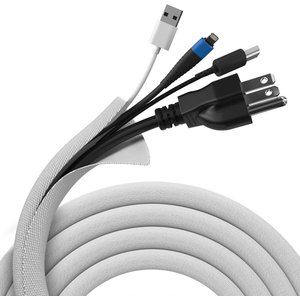
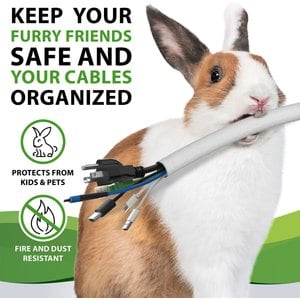
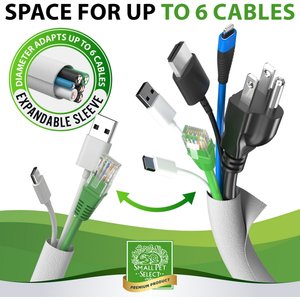
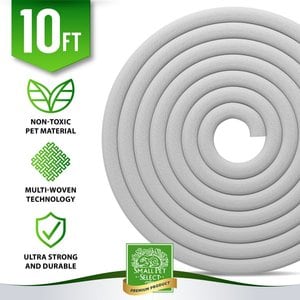
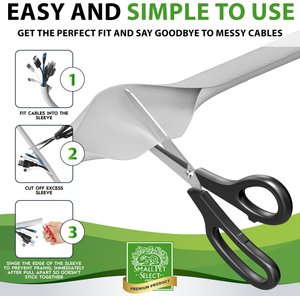
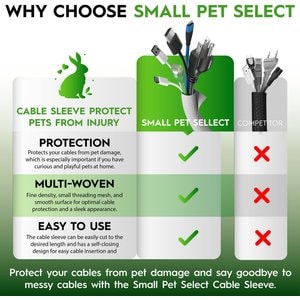
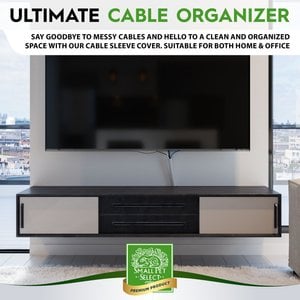
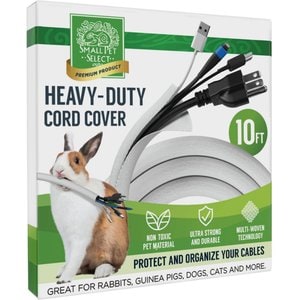
Small Pet Select Heavy Duty Small Pet Cord Cover, 10-ft, 1 count, White
$14.99 Chewy Price
($14.99/ea)
Promo, New Customers Only: Spend $49+, get $25 eGift Card
Our ratings
Accessibility
4.5/5
GreatMaterial
4.4/5
GreatSize
4.1/5
GreatVentilation
4.5/5
Great


Exotic Nutrition Squirrel Nest Box Small Pet Hideout
$43.99 Chewy Price
Promo, New Customers Only: Spend $49+, get $25 eGift Card
Our ratings
Accessibility
4.6/5
ExcellentMaterial
4.8/5
ExcellentSize
4.5/5
GreatVentilation
4.5/5
Great


MidWest Nation Hanging Shelf Add-On
$25.99 Chewy Price
Promo, New Customers Only: Spend $49+, get $25 eGift Card
Our ratings
Accessibility
4.5/5
GreatMaterial
4.7/5
ExcellentSize
4.5/5
GreatVentilation
4.6/5
Excellent


Prevue Pet Products Two Story Small Pet Home
$349.99 Chewy Price
Promo, New Customers Only: Spend $49+, get $25 eGift Card
Our ratings
Accessibility
4.7/5
ExcellentMaterial
4.6/5
ExcellentSize
4.7/5
ExcellentVentilation
4.7/5
Excellent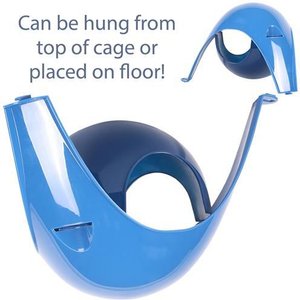
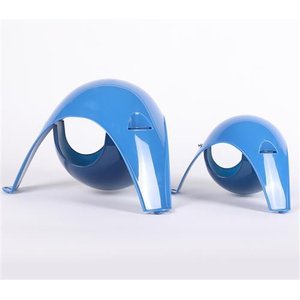
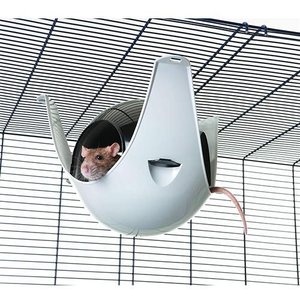
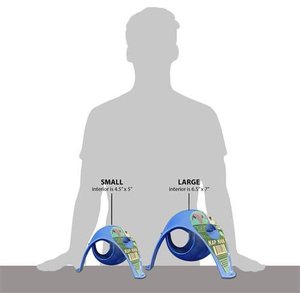
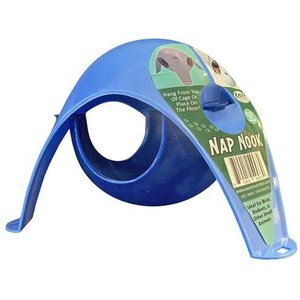
Exotic Nutrition Nap Nook Small Pet Hideout, Blue, Small
$13.99 Chewy Price
Promo, New Customers Only: Spend $49+, get $25 eGift Card
Our ratings
Accessibility
3.9/5
GoodMaterial
4.1/5
GreatSize
3.9/5
GoodVentilation
4.0/5
Great

Exotic Nutrition Brisbane Sugar Glider Cage, Black
$225.99 Chewy Price
Promo, New Customers Only: Spend $49+, get $25 eGift Card
Our ratings
Accessibility
4.5/5
GreatMaterial
4.5/5
GreatSize
4.5/5
GreatVentilation
4.5/5
Great