Sort
Filter

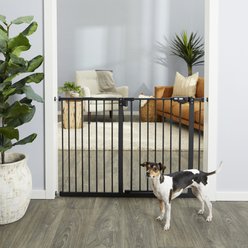

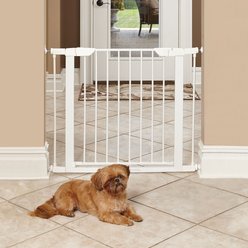
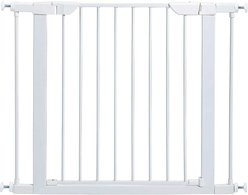

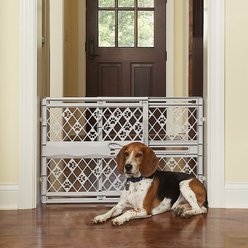

$34.46 Chewy Price
$49.99 List Price




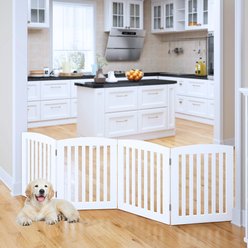

$134.99 Chewy Price
$159.99 List Price
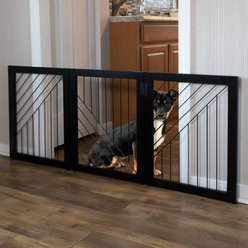
$59.95 Chewy Price
$74.95 List Price
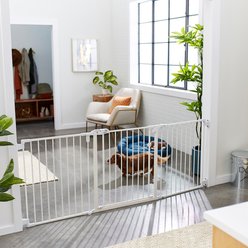


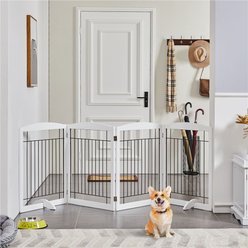
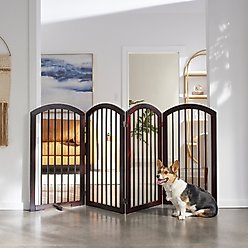

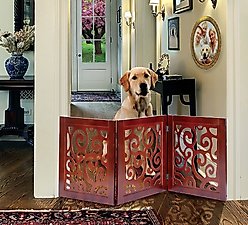

$44.99 Chewy Price
$69.99 List Price
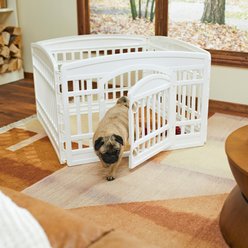

$149.99 Chewy Price
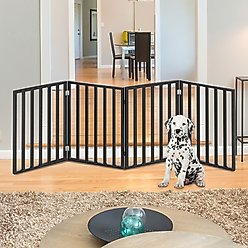
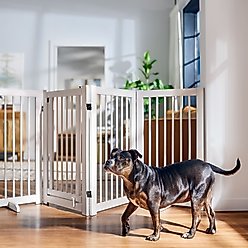


Dog Gates
Dog gates are a great way to keep your dog contained and out of no-go areas. Doggy gates can also be used to cordon off a designated play area for your pup. You can find a variety of gates for dogs of all types, ages, and sizes.
There are three main installation types for dog gates:
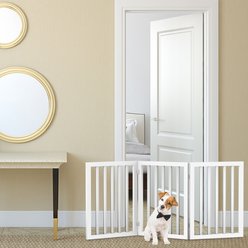
- Freestanding: Can be folded and moved anywhere you need them
- Pressure-mounted or tension gates: For reliable stability that doesn’t require drilling or damage to doorways
- Hardware-mounted gates: Provide permanent placement options and the highest level of security
Dog gates come with a range of different features to suit a variety of uses including:
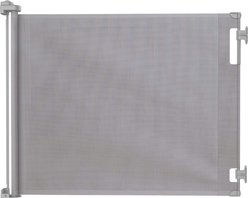
- Retractable
- Walk-through
- Built-in pet doors
- Secure locking mechanisms
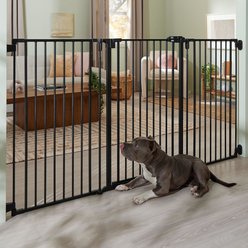
- Extra Tall
- Extra Wide
Dog gates come in a range of materials, including decor-friendly wood and durable steel, wire mesh, or coated metal. Browse our selection and choose the one that fits both your pup's and your home's needs.
Frequently Asked Questions about Dog Gates
Where can you put a dog gate?
You can put a dog gate in a variety of places both inside and outside the home. Many people put dog gates in hallways, between rooms, at the top or bottom of stairs for safety, or even in a doorway with an open door so pets can look out. Outdoors, dog gates can be placed on the front porch or on a deck so your pup can safely enjoy the outdoors.
Are dog gates a good idea?
Dog gates are a good idea for many pup-loving homes. Dog gates can be used to keep pups away from forbidden areas or places that are unsafe, like stairs. You can use a dog gate to keep young children separated from pets or to separate pets that don’t get along. Pet gates are also helpful when you have people over—use them to help your pet feel safe and prevent escapes as people come and go. A dog gate can also be useful when you have a new puppy—use while potty training to prevent messes or to keep your puppy safe when you can’t supervise him closely.
How tall should a dog gate be?
Get a gate tall enough to keep your dog from jumping over. For small dogs, a gate that’s 20 inches high is often enough. For bigger breeds and dogs who jump, you may need a gate as tall as 30 or even 40 inches. Supervise your pup closely after installing the gate to ensure your dog can’t—or won’t—try to jump over it and escape.
What's the difference between a baby gate and a dog gate?
While baby gates and dog gates may look similar, they are designed with different needs in mind. Dog gates are often built with sturdier materials and taller heights to accommodate pups who may jump or lean against the barrier. Some dog gates also feature chew-resistant finishes and wider slats to prevent damage or escape attempts. In contrast, baby gates prioritize child safety and may include features like narrower slat spacing and auto-close mechanisms.
What’s the best dog gate material?
The ideal material for a dog gate depends on your dog’s size, behavior, and where you’ll be using the gate. Below are the top three dog gate materials, each with its own strengths and drawbacks:
+ Wood: Wood gates offer a sturdy and stylish look that blends well with most home decor, but they can be vulnerable to chewing and aren’t ideal for outdoor use.
+ Metal (Steel or Aluminum): Metal gates are extremely durable and chew-resistant, making them a great option for strong or large dogs, though they tend to be heavier and can scuff surfaces if not properly installed.
+ Plastic: Plastic gates are lightweight, affordable, and easy to wipe clean, but they’re less durable and can be pushed or chewed through by determined dogs.
Max Gate Width
Gate Height
Gate Feature
Breed Size
Material
Lifestage
Color Family
Brand
7 Brands are shown below