Can Cats Eat Beans?


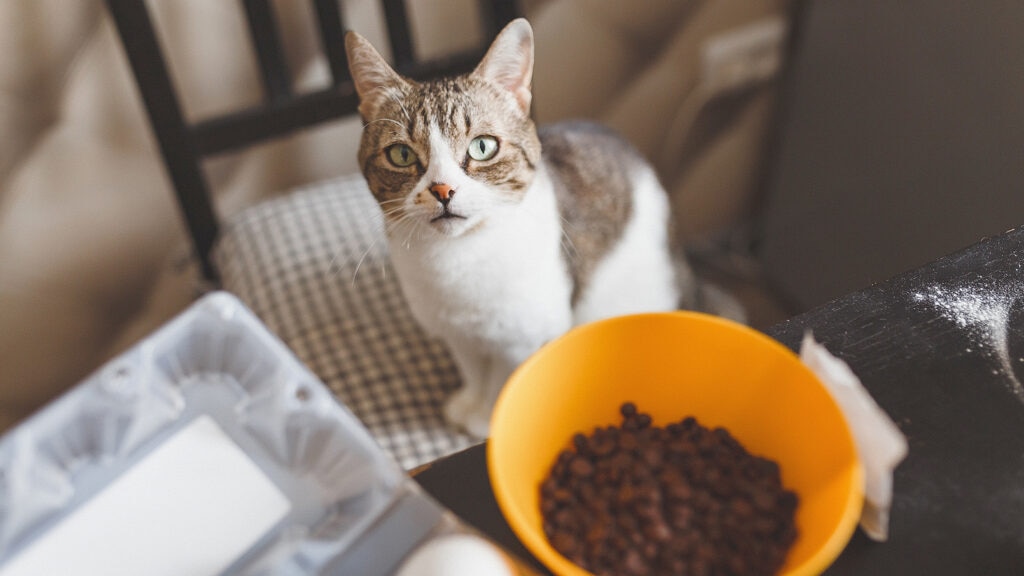
Photo by frantic00/iStock/Getty Images Plus via Getty Images
If your cat has ever tried to inspect a spoonful of black beans or stake a claim to your burrito bowl, you may have wondered: Can cats eat beans?
Yes, cats can have a small amount of plain, cooked beans. But while beans aren’t toxic, they also aren’t bringing much to the table for cats, who are obligate carnivores. Cats should get most of their nutrition from a complete and balanced cat food.
Before introducing any new food into your cat’s diet, always check with your veterinarian.
Key Takeaways
- Yes, cats can eat a small amount of plain, cooked beans.
- Avoid baked beans, chili, refried beans, and seasoned beans.
- While beans aren’t toxic, they aren’t especially nutritious for cats.
- Too many beans can lead to vomiting, diarrhea, gas, or stomach upset.
Can Cats Have Beans?
Yes, cats can have a small amount of plain beans—black beans, pinto beans, and kidney beans are all safe options. Stick with fully cooked beans that haven’t been seasoned.
Many bean dishes made for people, including baked beans, chili, and refried beans, contain ingredients like garlic, onion, and salt that aren’t cat friendly.
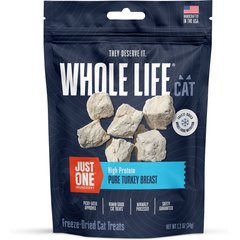
If you’d rather skip the beans and give your kitty something made specifically for cats instead, a few protein-packed cat treats include:
Recommended Products


Are Beans Good for Cats?
While beans are a pantry staple for many people, they’re not doing much that your cat’s regular food isn’t already doing better. Cats are obligate carnivores, which means they thrive on meat, so beans don’t provide the same nutritional value as animal-based foods.
That said, beans do contain a few nutrients:
- Fiber: Beans contain fiber, which can support normal digestion and keep a cat’s gut healthy.
- Protein: Beans do offer some protein, but cats are designed to get most of their protein from animal sources. Meat, poultry, and fish are much better matches for their nutritional needs.
- Vitamins and minerals: Beans have some nutrients like folate, magnesium, potassium, and iron, which can contribute to overall health. Still, cats should get most of their vitamins and minerals from a complete and balanced cat food.
Are Beans Bad for Cats?
Beans aren’t toxic to cats, but that doesn’t make them a great snack. Problems are more likely to pop up when cats eat too many beans or when the beans are seasoned.
Here are some potential problems with beans:
- Too much fiber: Cats aren’t used to eating a large amount of fiber. And too much at once can leave your cat dealing with vomiting, diarrhea, gas, or an upset stomach.
- More carbohydrates than cats need: Beans are much higher in starch and carbohydrates than the meat-based foods cats are made to eat. A few beans aren’t a big deal, but larger portions can take up valuable space in your cat’s diet without providing the nutrition they really need.
- Seasonings and sauces: The biggest risk isn’t the bean itself—it’s what comes with it. Chili, baked beans, refried beans, and other bean dishes may contain garlic, onion, salt, or rich sauces that can upset your cat’s stomach or even be toxic.
How Many Beans Can My Cat Eat?
When it comes to beans, less is definitely more. Beans are considered treats and all treats combined should make up no more than 10% of your cat’s daily diet.
For most healthy adult cats, 1 teaspoon or less of plain, cooked beans once a week is plenty.
Start with just a bean or two and see how your cat handles it. If your cat seems gassy or gets an upset stomach, skip beans in the future.
How To Safely Feed Beans to Your Cat
If your cat insists on trying beans, a few simple tips can help keep snack time trouble-free:
- Only use plain, fully cooked beans.
- Rinse canned beans thoroughly to remove excess sodium.
- Keep the portion very small.
- Mash larger beans if needed.
- Skip baked beans, chili, refried beans, and seasoned canned beans.
- Stop if your cat shows any sign of digestive upset.
My Cat Ate Too Many Beans—What Do I Do?
A bean or two usually isn’t a cause for panic, but eating a larger amount can leave some cats with an unhappy stomach.
The most common signs are:
- Vomiting
- Diarrhea
- Low appetite
- Gas or belly discomfort
In most cases, any symptoms will resolve on their own within 24 hours, but call your veterinarian if they don’t or if:
- The beans were part of chili, baked beans, or another dish that has concerning ingredients, like onions or garlic.
- Your cat ate a large amount of beans.
- Symptoms are severe.
- Your cat has an underlying health condition and you’re not sure whether the beans could cause a problem.
If you can’t reach your veterinarian and you’re concerned, you can call the Pet Poison Helpline (855-764-7661) for guidance on next steps.
FAQs About Beans for Cats
Can cats eat green beans?
Yes, cats can eat plain green beans in small amounts. They’re one of the safest vegetables to share because they’re soft when cooked, low in calories, and easy to cut into small bites.
Are beans safe for cats?
They can be. Beans are generally safe when they’re plain, fully cooked, and served in very small amounts. The biggest problems usually come from seasonings and sauces or eating too many.
Can cats eat baked beans?
No, baked beans are made with a lot of ingredients cats shouldn’t have, like sugar, salt, and seasonings. Many recipes also contain onion or garlic, which can be toxic to cats.
Can kittens eat beans?
No, kittens should only eat kitten food. During their first year, kittens are growing quickly and need complete and balanced nutrition to support healthy development. Because of that, treats like beans are better saved for adulthood.
Attributions
This article was created with assistance from AI tools. The content has been reviewed for accuracy and edited by a human.