Korean Jindo Dog
Updated July 29, 2026
Korean Jindo Dog
Updated July 29, 2026
If you’re looking for a dog who’s devoted, smart, and quietly affectionate, the Korean Jindo could be the perfect match. This breed forms a strong bond with their family, appreciates consistent training and daily activity, and is happiest when they’re by your side.
Loyal, Intelligent, Independent
30–60 pounds
17–22 inches
14–15 years
White, Fawn, Red, Gray, Black, Black and Tan, Brindle
If you’re looking for a dog who is independent but still deeply loyal, the Korean Jindo may be a great fit. This brainy breed is known for forming strong bonds with family while staying naturally alert to what’s happening around them.
A Jindo dog will happily join you for a weekend hike, then curl up on the couch while keeping a quiet eye on the household. They can be reserved with strangers, but with their family, they are devoted, thoughtful companions who love deeply in their own way.
Korean Jindo Dog Characteristics
Korean Jindo Dog Appearance
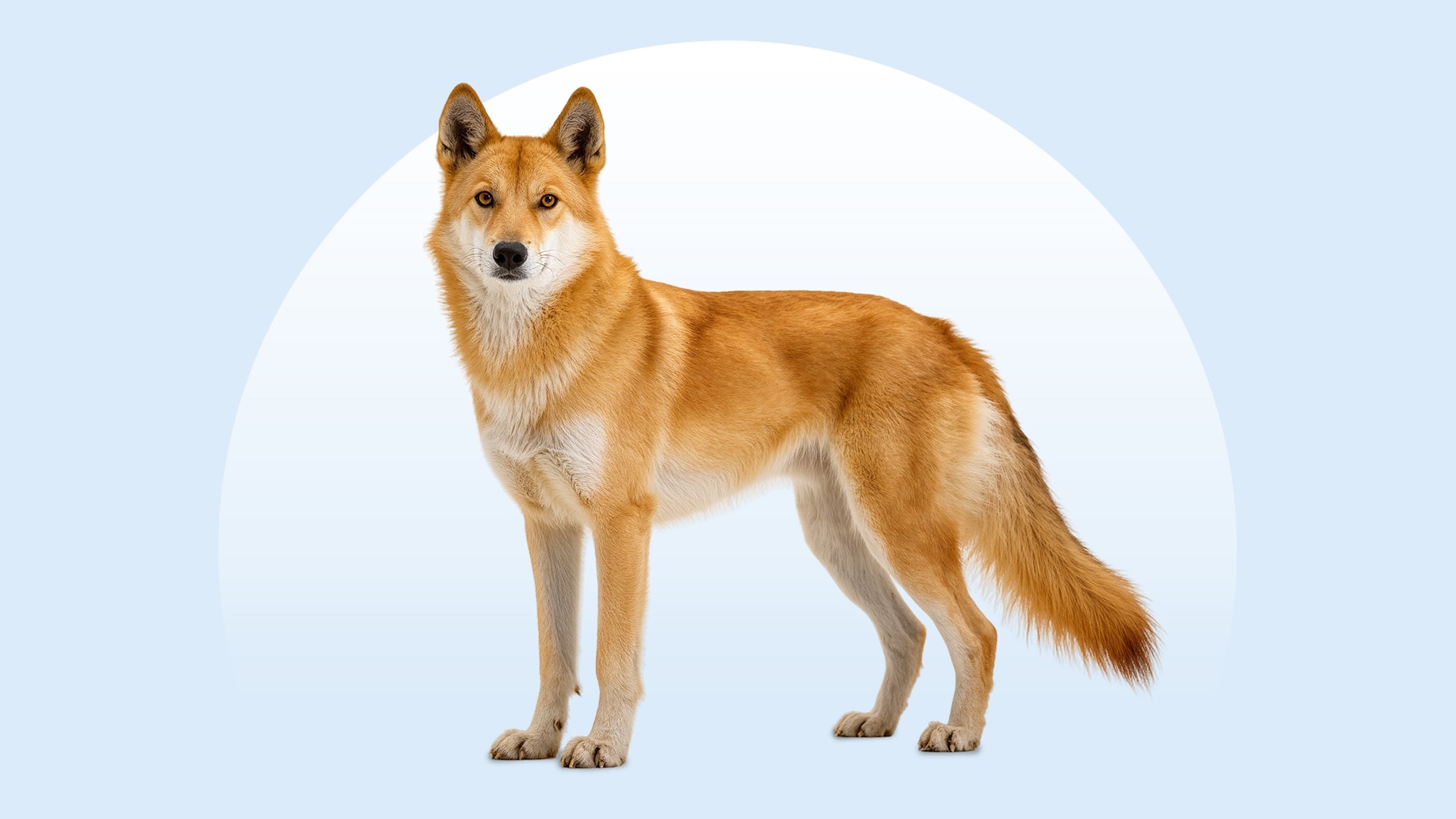
The Korean Jindo is an athletic, medium-sized dog with a naturally sharp, foxlike look. They have upright ears, a curled or sickle-shaped tail, and a balanced build that reflects their history as skilled hunting dogs.
Their alert expression gives you a good sense of their personality: smart, confident, and always paying attention.
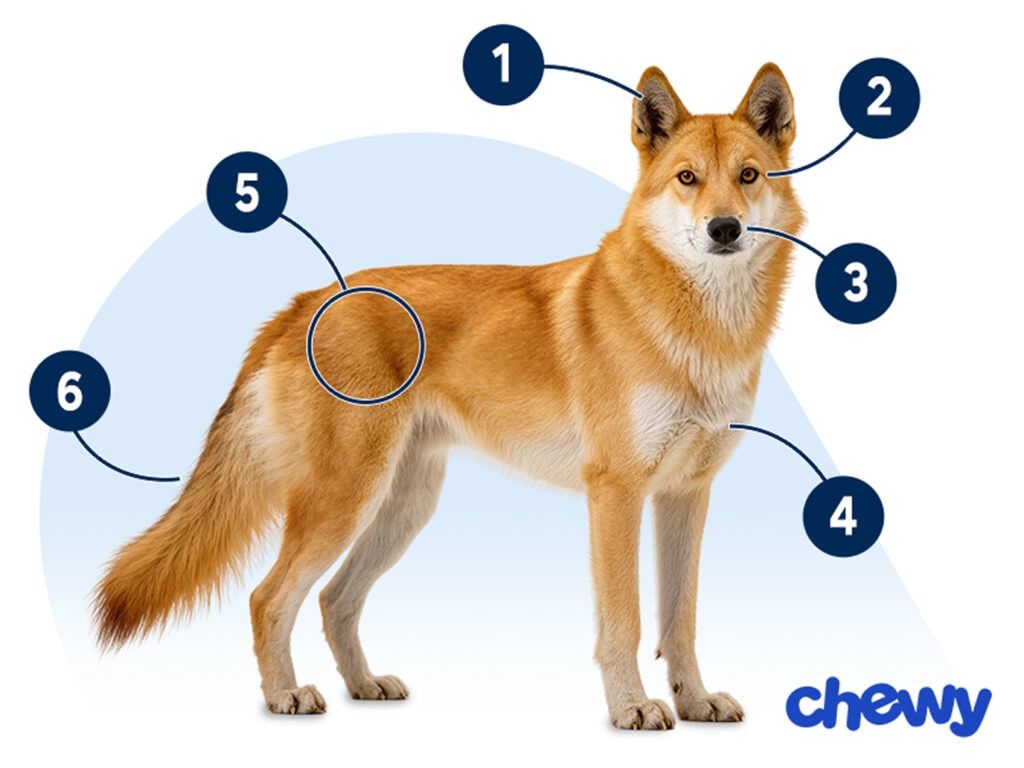
- Ears
Jindo dogs have triangular ears that stand upright and sit high on the head, adding to their alert and attentive look.
- Eyes
Their eyes are almond-shaped, dark brown, and slightly angled, giving the breed an intelligent and observant expression.
- Nose
Most Korean Jindo dogs have a black nose, though lighter-colored dogs may have a flesh-colored nose.
- Coat Length
The breed has a double coat consisting of a soft, dense undercoat and a straight, moderately harsh outer coat that provides protection from the elements.
- Coat Color
Korean Jindo dogs can come in several colors, including white, fawn, red, gray, black, black and tan, and brindle.
- Tail
A Jindo’s tail is usually carried over their back in a curl or sickle shape and is covered with thick fur.
Korean Jindo Dog Temperament
The Korean Jindo breed is famous for loyalty.
“Jindos are intelligent and loyal, often forming a very strong bond with their primary family; they can be reserved with strangers,” says Gina Kim-Sadiku, executive director of Korean K9 Rescue.
That reserved personality is simply part of who they are. Rather than rushing up to greet every new person, a Jindo tends to take their time, observe, and decide whom they trust. Early socialization helps them grow into confident, well-adjusted dogs while still allowing their naturally thoughtful personality to shine.
Originally bred to hunt wild boar and deer, the Korean Jindo is smart, active, and an independent thinker. They love activities that keep both their body and mind engaged, whether that’s hiking, taking long walks around the neighborhood, playing scent games, or participating in training sessions with their favorite person.
Like any breed with a strong hunting background, they should be introduced carefully to other pets, especially cats and smaller animals. With early socialization, patient training, and proper supervision, many Jindo dogs learn to live happily in multi-pet households. But some might prefer to be the only pet at home.
Related Breeds






How to Care for a Korean Jindo Dog
Caring for a Korean Jindo involves prioritizing exercise, mental stimulation, and consistent training. The good news is they’re relatively low-maintenance when it comes to grooming, making day-to-day care easier than some pet parents expect.
Grooming
Training
Diet
Exercise
Environment
Korean Jindo Dog Health
The Korean Jindo is generally considered a healthy breed with a lifespan of 14–15 years.
“Jindos are generally healthy but, like many purebreds, they can have predispositions,” Kim-Sadiku says. “We always recommend pet insurance for peace of mind.”
Some health conditions seen in the Korean Jindo include:
- Hip dysplasia: This condition occurs when the hip joint doesn’t develop properly, which can lead to arthritis and mobility issues over time.
- Hypothyroidism: An underactive thyroid may cause weight gain, low energy, hair loss, and skin problems. It can usually be managed with daily medication.
- Patellar luxation: A luxating patella is a kneecap that slips out of place, causing an occasional skipping gait or limping. Severe cases may require surgery.
- Allergies: Some dogs develop food or environmental allergies that can affect the skin, ears, or digestive system.
If you’re purchasing a Jindo puppy from a breeder, ask about health testing. The Orthopedic Foundation for Animals (OFA) recommends screening breeding dogs for hip dysplasia, and many responsible breeders also perform Companion Animal Eye Registry (CAER) eye exams to help identify inherited eye conditions before breeding.
Routine wellness visits, preventive care, proper nutrition, regular exercise, and responsible breeding practices all contribute to maintaining the health of your Korean Jindo.
Korean Jindo Dog History
The Korean Jindo dog has roots on Jindo Island, located off the southwestern coast of South Korea. For hundreds of years, these dogs were bred to hunt game such as deer and wild boar, earning a reputation for intelligence, endurance, courage, and unwavering loyalty. Their importance to Korean history and culture eventually led to the breed being recognized as one of South Korea’s national treasures.
As interest in the breed grew beyond Korea, dedicated breed clubs and preservation organizations worked to protect the Korean Jindo’s unique characteristics and introduce the breed to dog lovers around the world. In the United States, organizations such as the Korean Jindo Association of America and Korean K9 Rescue have played an important role in educating prospective pet parents and promoting responsible ownership.
While the Korean Jindo has gained international recognition, the breed remains relatively rare in the United States.
Today, the Korean Jindo is cherished for the same qualities that made them exceptional hunting companions centuries ago. They’re intelligent, loyal, and independent dogs who thrive with pet parents who appreciate their unique personality and are willing to earn their trust.
For the right family, a Korean Jindo isn’t just a pet. They’re a devoted companion for life.